
Surface Grinding Services: Flat, Precise Reference Faces
Surface grinding produces flat, precisely finished faces on hardened and difficult materials where milling would struggle. When a part must sit flush, seal, or register against a datum, ground flatness and finish are what make the assembly work. This guide explains how surface grinding works, when to specify it, the materials it handles, and how to brief your shop.

How Surface Grinding Works
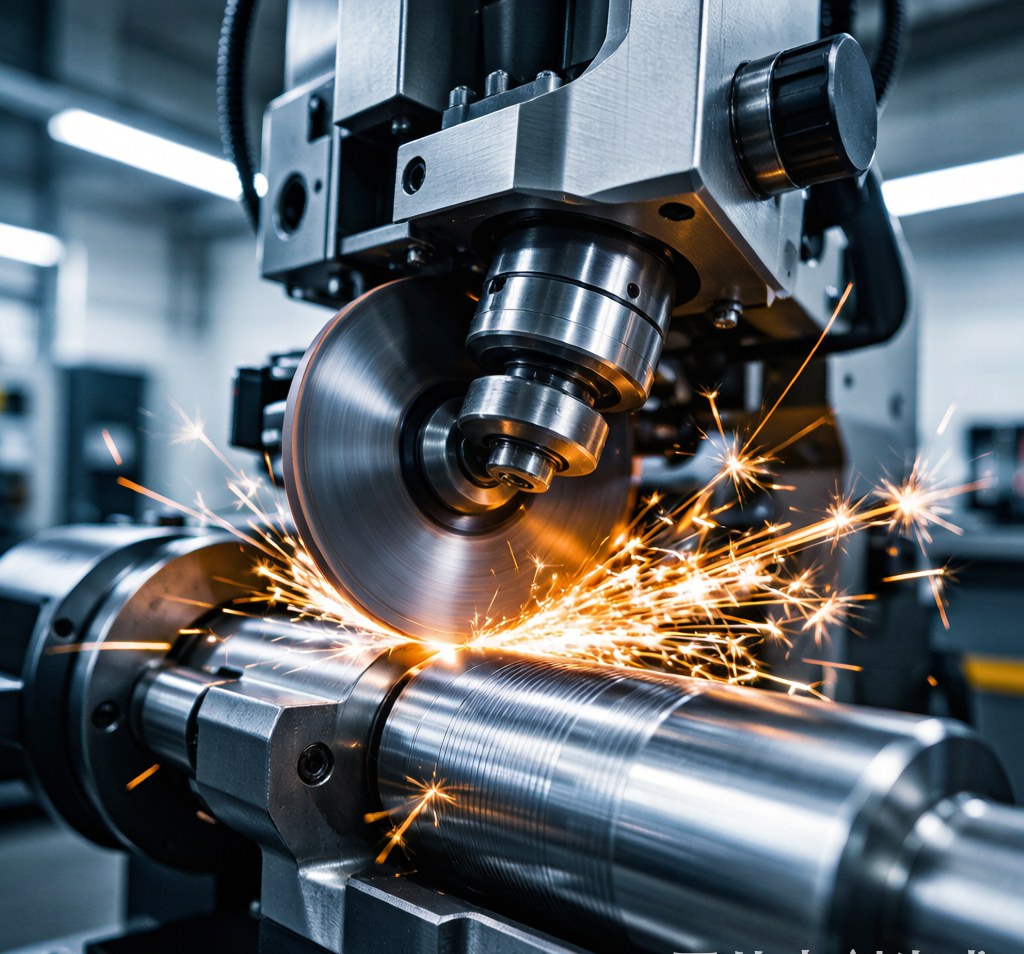
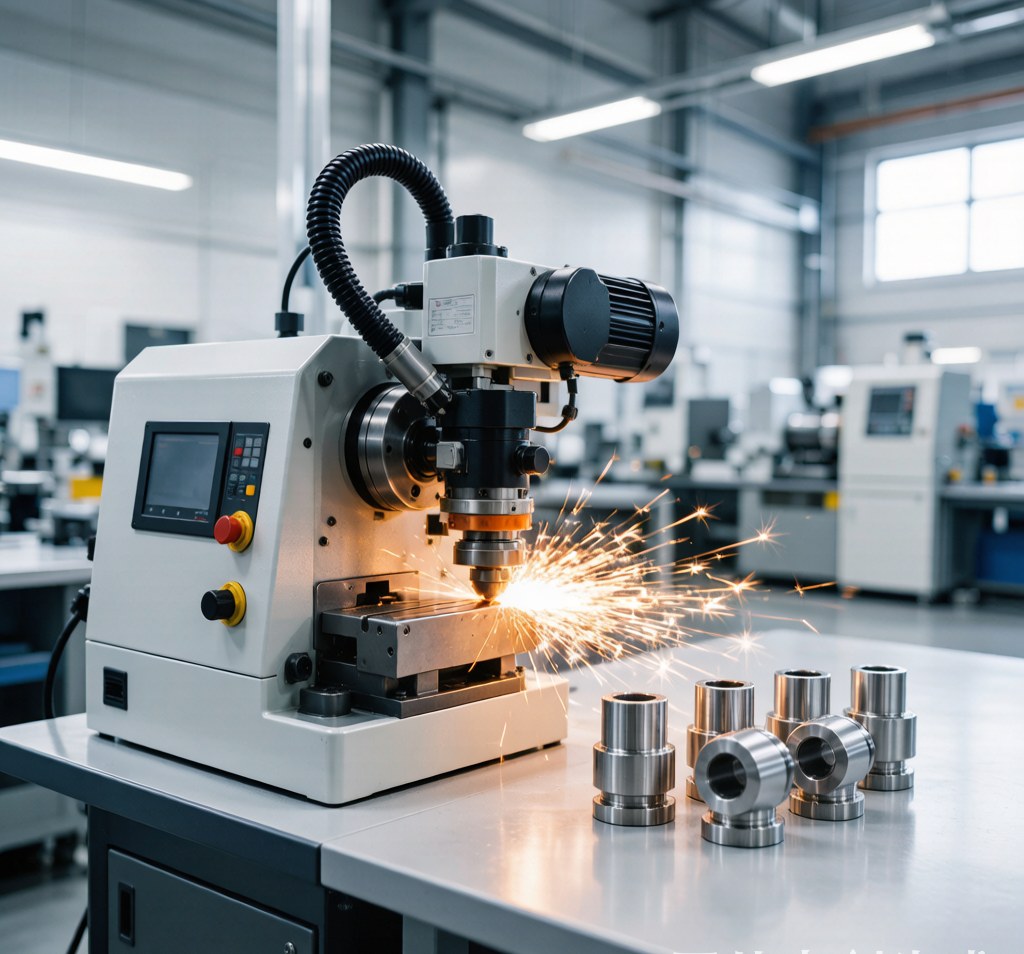
A surface grinder slides a spinning abrasive wheel across the top of a magnetically clamped workpiece, removing a controlled amount of material to hit final flatness and finish. CNC control and in-process measurement keep the result consistent across a batch. It’s the natural follow-on to heat treatment—hardened parts are ground to size after they’re stable.
Surface Grinding vs. Other Finishing
Versus CNC milling, grinding achieves far finer flatness and surface finish on hardened stock. Versus cylindrical grinding, it targets flat faces rather than round ones. Choose it whenever a face must be planar to microns.
Materials We Grind
- Hardened tool and alloy steels — the primary use case.
- Stainless and precipitation-hardened alloys.
- Carbide and ceramics — with diamond wheels.
- Cast iron and bronze — for way and seat surfaces.
- Titanium and Inconel — with careful coolant control.
Industries That Rely on Surface Grinding
Mold and die making, bearing seats, fixture bases, and hydraulic components all need ground flat faces for alignment, sealing, and load transfer. Flatness here directly affects function.
How to Spec Your Surface Grinding Job
- Mark the ground faces and reference datums on the drawing.
- State flatness and parallelism tolerances.
- Define surface finish (Ra) for the sealing or sliding face.
- Note material hardness to select wheel and coolant.
- Share volume to choose manual vs. automated cells.
FAQ
What flatness can you hold?
We routinely achieve flatness within a few microns over typical part sizes.
Must parts be hardened first?
Often yes—grinding is the step that sizes hardened parts after treatment.
Can you grind and machine together?
Yes. Sequencing reduces handling and keeps geometry aligned.
Why Choose Huaxiao for Surface Grinding
Our surface grinding service delivers the flatness and finish critical assemblies demand, with in-process measurement and integrated machining. Send your drawing for a quote covering shaping and grinding.

