
PVD Coating Services: Thin, Hard, Decorative & Functional Films
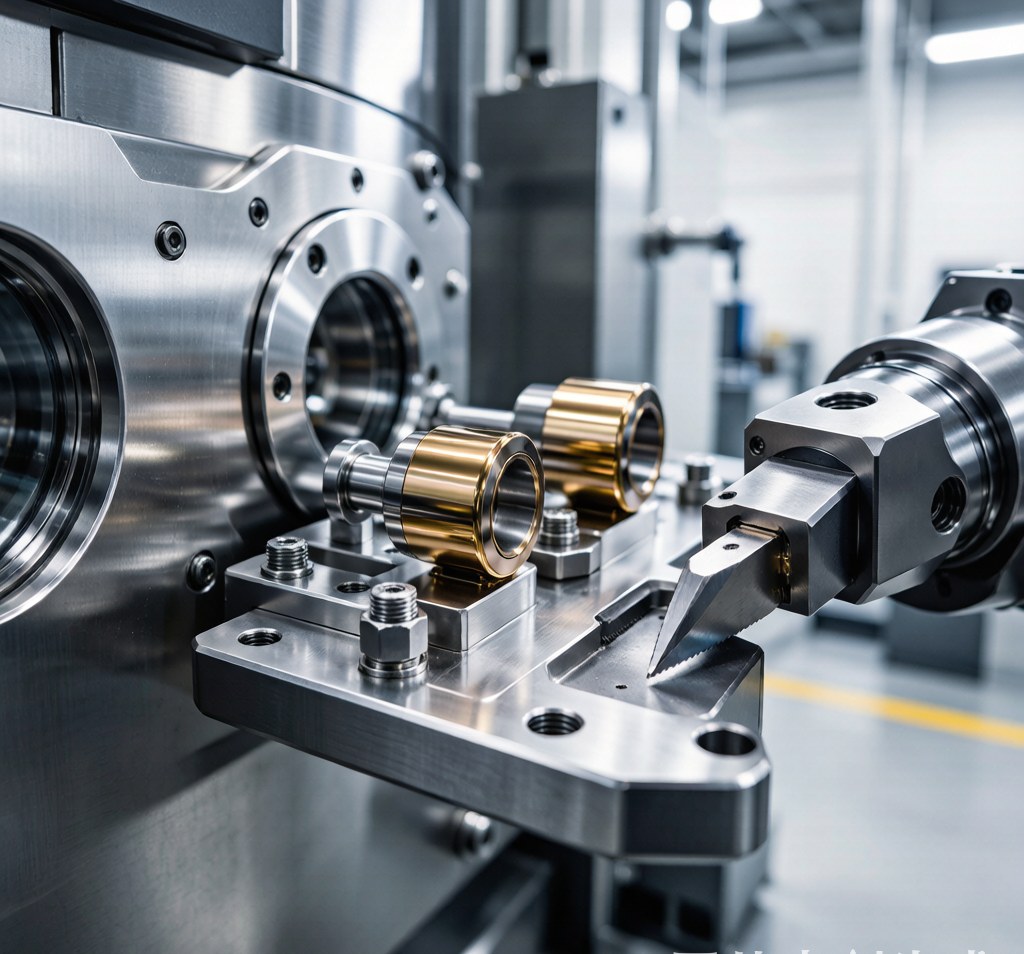
PVD coating (physical vapor deposition) lays down atom-thin, extremely hard films—TiN, CrN, TiAlN, and more—inside a vacuum chamber. The result is a wear-resistant, often golden or gunmetal surface that adds almost no thickness. For cutting tools, decorative trim, and medical devices where plating baths are undesirable, PVD is the modern standard. This guide covers how it works, when to choose it, common film types, and how to spec your job.

How PVD Coating Works
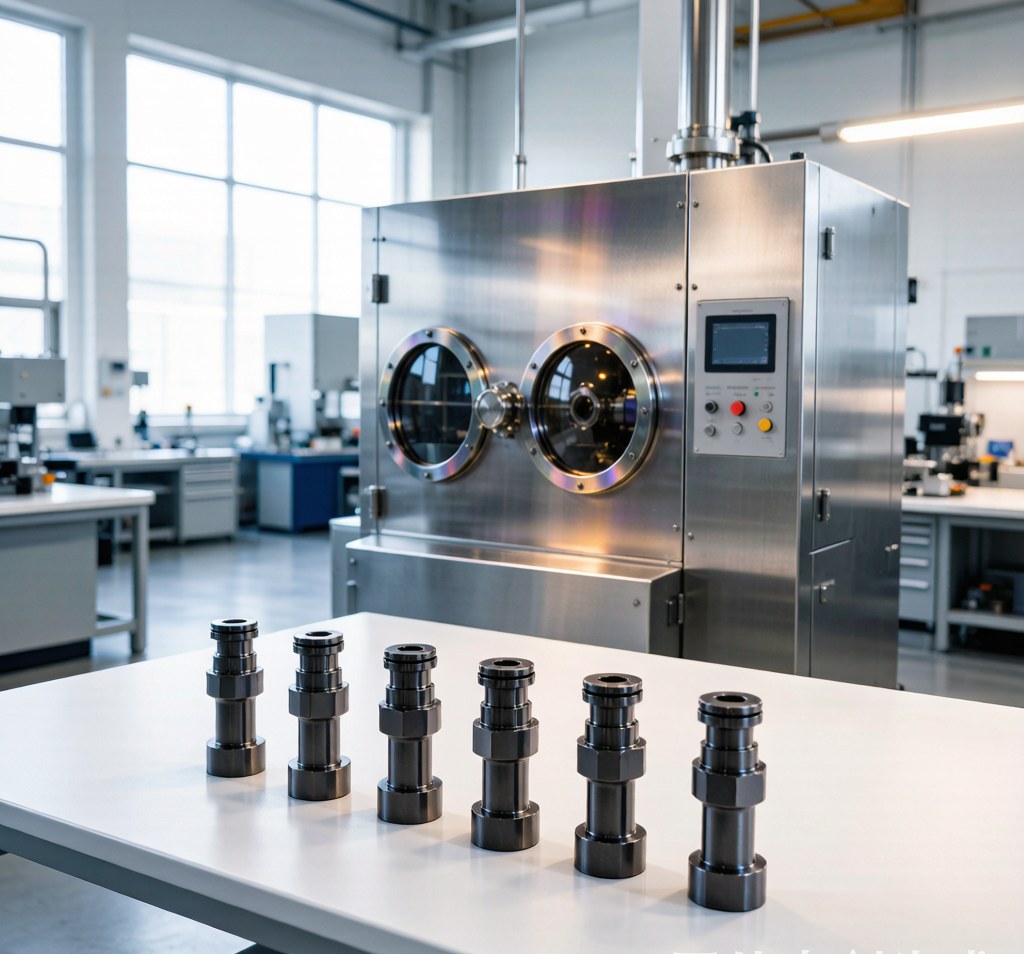
In a PVD chamber the target metal is vaporized by arc or sputtering and reacts with a gas (often nitrogen) to form a compound film on the heated, rotating part. Temperatures stay below 500 °C, so hardened steel does not soften. We often apply PVD to parts that were first heat treated for core strength, then finished to size.
PVD vs. Electroplating
A plated layer is microns thicker and builds dimension; PVD is sub-micron to a few microns and dimensionally neutral. PVD also avoids liquid chemical waste and produces a harder, more wear-resistant surface. When you need both looks and life, PVD beats paint and plating. See how it compares with DLC coating for the slickest finishes.
Common PVD Films
- TiN (gold)—classic tool coating, good wear and visibility.
- CrN (silver-grey)—corrosion-resistant, anti-galling.
- TiAlN (violet-grey)—high-temperature tool coating for dry cutting.
- ZrN / AlTiN—decorative and high-performance variants.
Materials We Coat
- Tool steels and carbide—cutting and forming tools.
- Stainless and titanium—medical and decorative parts.
- Aluminum—with an interlayer for adhesion.
Industries That Rely on PVD
Cutting tools, watch and faucet trim, surgical instruments, and automotive trim all use PVD for a finish that stays hard and bright.
How to Spec Your PVD Job
- Choose the film (TiN, CrN, TiAlN, etc.) for wear or color.
- State thickness (typically 1–5 µm).
- Define color / appearance for decorative work.
- Note substrate hardness so we set chamber temperature safely.
- Flag critical dimensions that must hold tolerance.
- Share the service environment (abrasion, corrosion, heat).
FAQ
Does PVD change dimensions?
Negligibly—usually under 5 µm per side.
Is PVD food-safe?
CrN and TiN are widely used on food-contact tools.
Can it go on plastic?
Only high-temperature polymers; most plastics can’t take the chamber heat.
Why Choose Huaxiao for PVD Coating
Our PVD coating service combines vacuum deposition with in-house hardening and finishing for a repeatable, durable film. Send your drawing for a quote covering the full process chain.

