
Passivation Services: Maximize Stainless Steel Corrosion Resistance
Passivation is the acid treatment that makes stainless steel live up to its name. By dissolving free iron from the surface and letting a chromium-rich oxide layer form, passivation restores the corrosion resistance that machining, welding, or handling can compromise. For medical, food, and semiconductor parts, it is not optional—it is specification. This guide covers how it works, the standards, when to choose it, and how to spec your job.

How Passivation Works
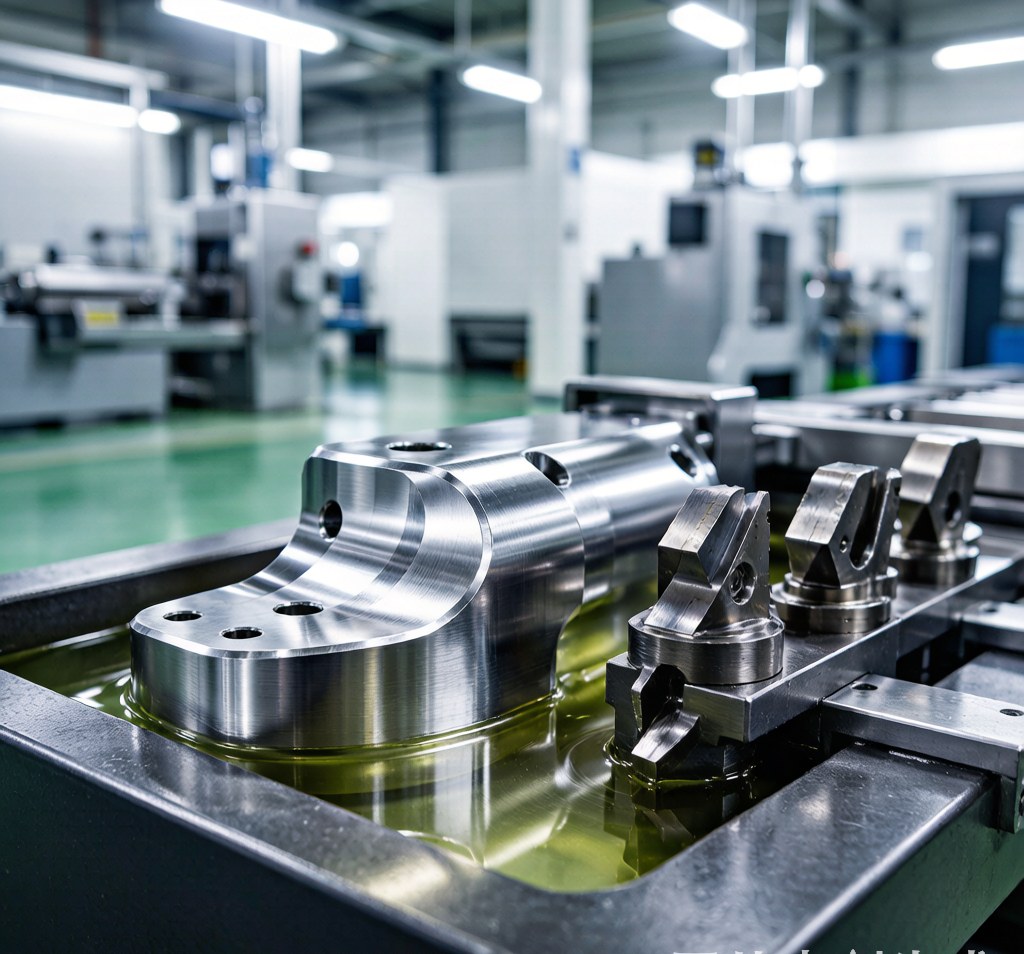
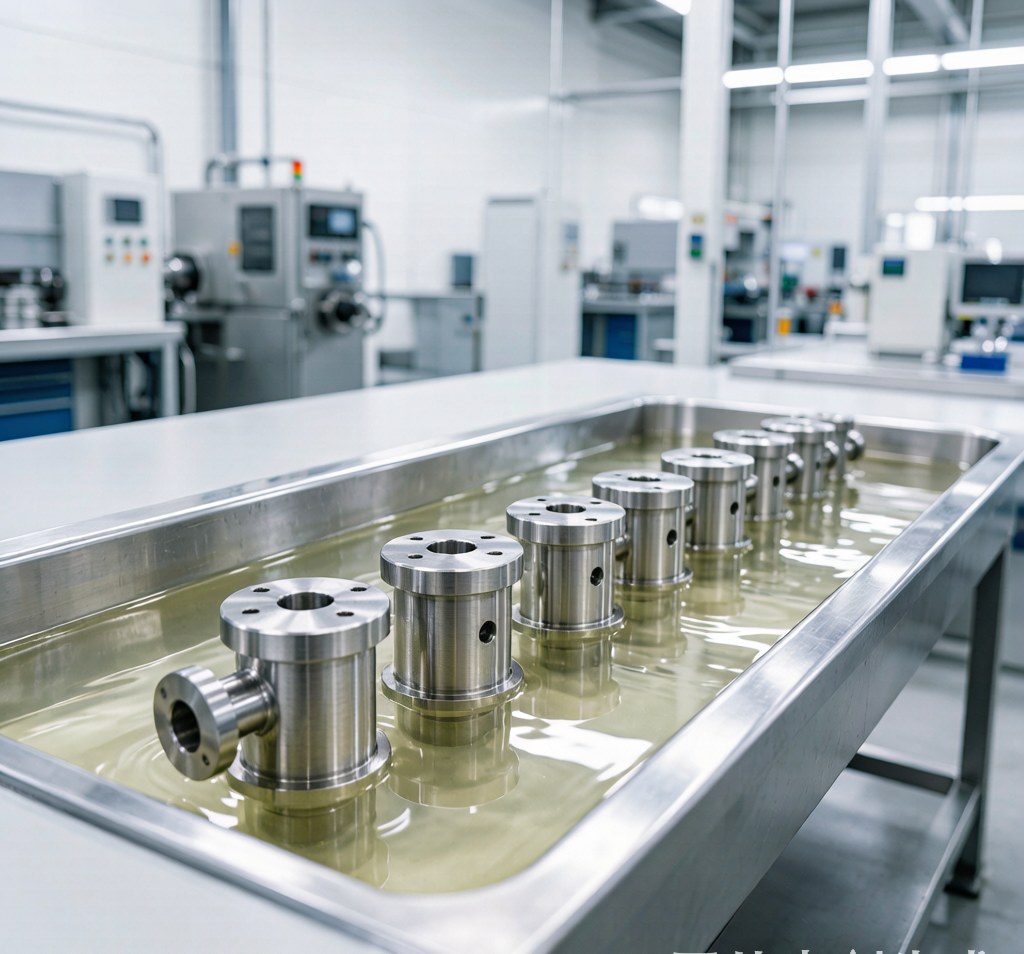
After cleaning, the part is immersed in nitric or citric acid. The acid dissolves embedded iron particles and surface contaminants; once rinsed and dried, the chromium in the alloy reacts with air to rebuild a thin, inert oxide film. We typically passivate parts that were first shaped by CNC milling or polishing, and we often precede it with sandblasting or tumbling to ensure a clean surface.
Passivation Standards (ASTM A967)
ASTM A967 defines nitric and citric processes by grade and test method. Citric acid is now favored for being less hazardous and easier to rinse. The right process depends on the alloy series—300-series versus 400-series stainless need different treatments.
Passivation vs. Plating
Unlike zinc plating or electroless nickel, passivation adds no coating—it improves the stainless steel you already have. Choose it when you need corrosion resistance without changing dimensions or appearance.
Materials We Passivate
- 300-series austenitic stainless—the most common.
- 400-series martensitic stainless—needs a tailored process.
- Precipitation-hardened grades—for aerospace and medical.
Industries That Rely on Passivation
Medical implants, food-processing equipment, semiconductor hardware, and aerospace fittings all require passivation for certified corrosion performance.
How to Spec Your Passivation Job
- State the alloy (e.g. 304, 316, 17-4PH) to pick the process.
- Cite the standard—ASTM A967 (nitric or citric) or AMS 2700.
- Define the verification test (water immersion, high-humidity, or salt spray).
- Note cleanliness requirements for the application.
- Flag any prior operation (welding, grinding) that may have embedded iron.
- Specify packaging to keep the part clean after treatment.
FAQ
Does passivation change the look?
No—it’s invisible; the part stays the same size and color.
Is citric as good as nitric?
Yes, and it’s safer and easier to rinse.
Can aluminum be passivated?
No—aluminum needs anodizing; passivation is for stainless.
Why Choose Huaxiao for Passivation
Our passivation service follows ASTM A967 with documented verification so your stainless parts pass qualification. Send your drawing for a quote covering cleaning, passivation, and testing.

