
Warm Forging Services: Balanced Precision & Economy
Warm forging forms metal at a moderate temperature—above room but below hot-forging heat—balancing the flow of hot work with the precision of cold work. It cuts forging force, improves tool life, and still holds good tolerances. This guide covers how it works, when to choose it, the materials, and how to spec your job.

How Warm Forging Works
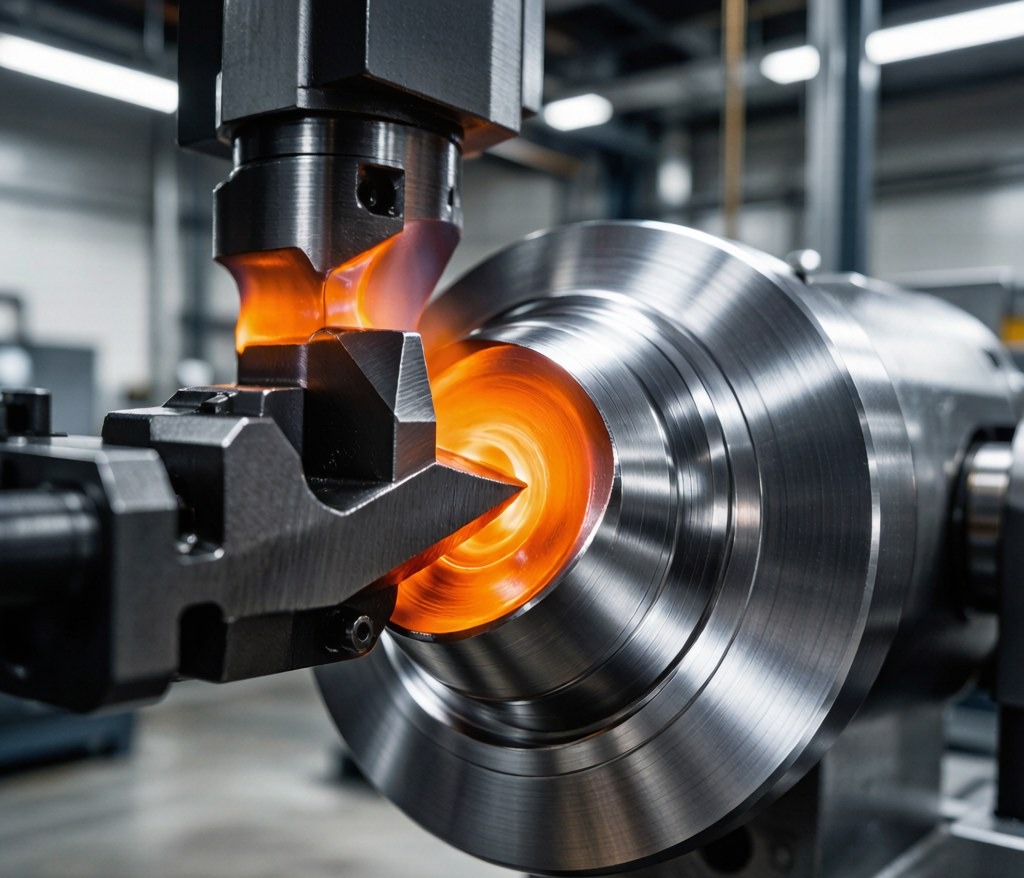
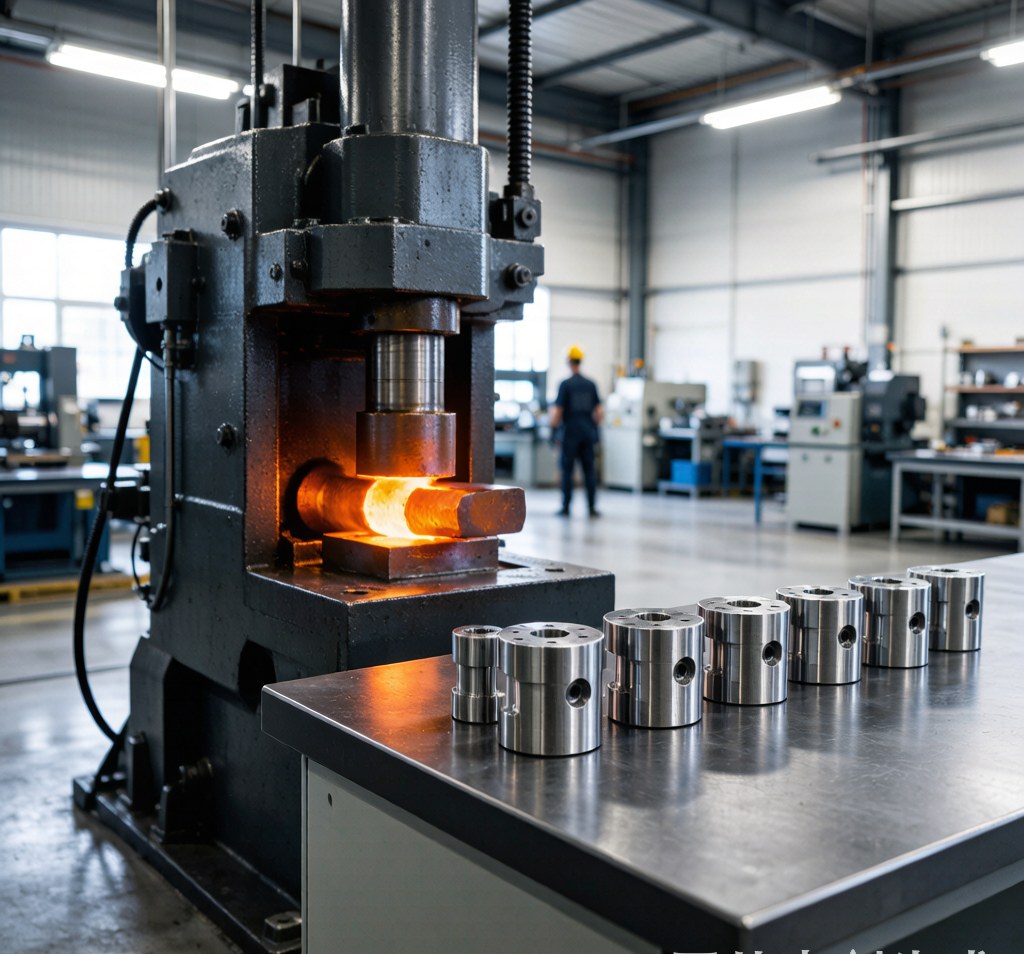
A billet is heated to a few hundred degrees and pressed in a die. There is less scaling than hot forging and better flow than cold, so tools last longer. We typically finish warm-forged parts by CNC milling and heat treatment.
Warm vs. Hot and Cold Forging
Versus hot forging, warm forging scales less and holds tighter tolerance; versus cold forging, it needs less press force for larger parts. It’s the middle path for force, tolerance, and tool life.
Materials We Warm-Forge
- Steel and stainless—gears and shafts.
- Aluminum—structural components.
- Titanium—aerospace details.
Industries That Rely on Warm Forging
Automotive gears and shafts, bearings, and power-transmission parts use warm forging for a strong economy of scale.
How to Spec Your Warm Forging Job
- State the material and grade.
- Define the temperature window if constrained.
- Set tolerances (between hot and cold).
- Specify heat treatment and hardness.
- Note machined features to follow.
- Share volume for tooling choice.
FAQ
How precise is warm forging?
Between hot and cold—tighter than hot, looser than cold.
Is scaling an issue?
Less than hot forging; easy to clean.
Does it save tooling cost?
Yes—lower force extends die life.
Why Choose Huaxiao for Warm Forging
Our warm forging service balances precision and economy with integrated machining. Send your drawing for a quote covering the full process chain.

