
Open-Die Forging Services: Large & Custom Forgings
Open-die forging shapes a heated billet between flat or simple dies that do not fully enclose the metal, so the part is formed by a sequence of strokes rather than a closed cavity. It is the right choice for large, heavy, or low-volume forgings where a closed die would be uneconomic. This guide covers how it works, when to choose it, the materials, and how to spec your job.

How Open-Die Forging Works
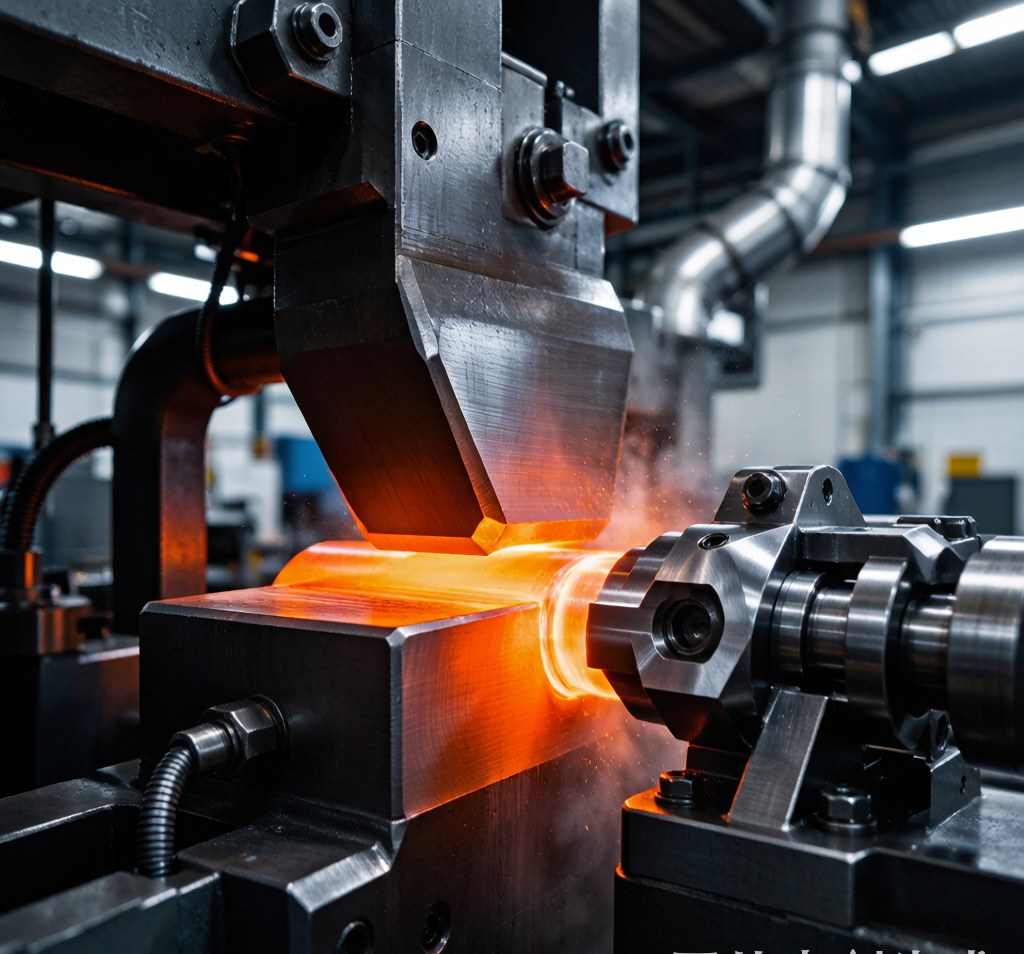
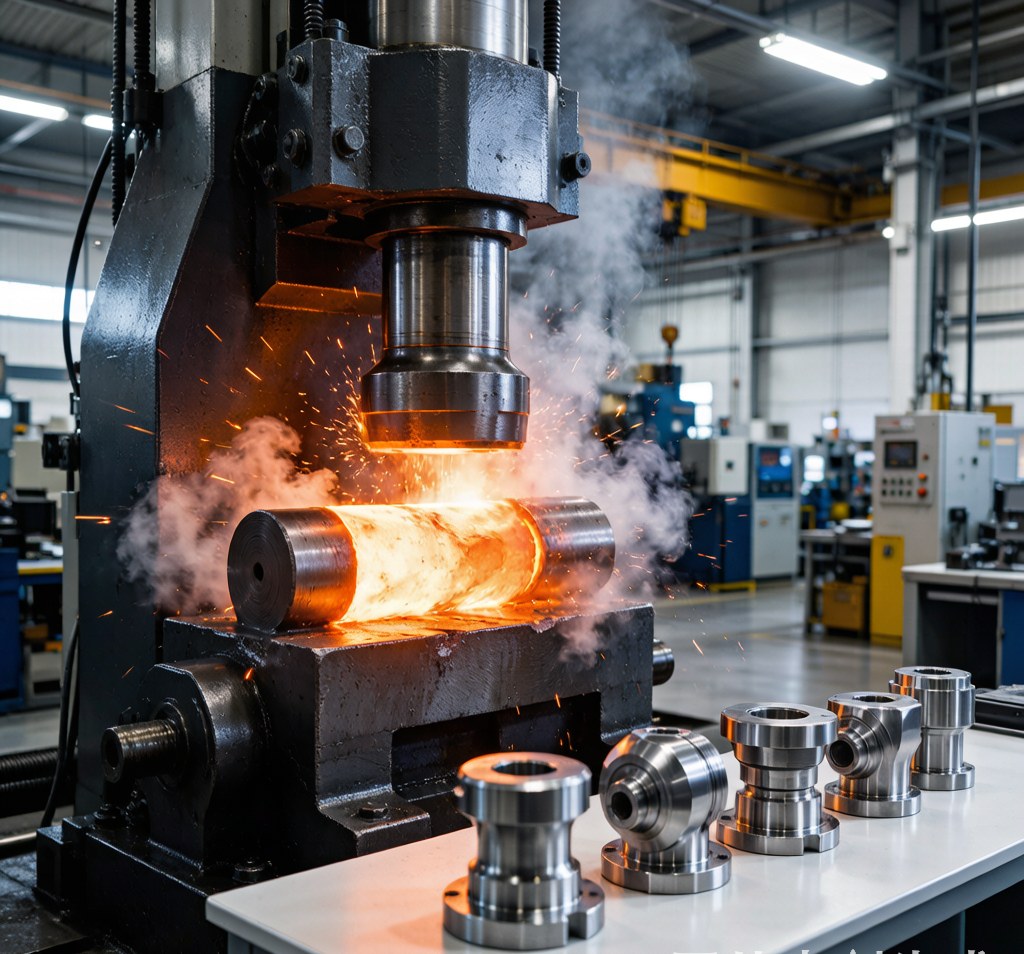
An operator positions the glowing billet and strikes it repeatedly to draw, upset, or flatten it into the rough shape. We follow with heat treatment and machining to final dimension. Compared with closed-die forging, open die is flexible and tooling-light.
Open vs. Closed Die
Open die suits large, custom, or low-volume parts; closed die suits repeatable, high-volume net-shape. Choose open die when the quantity or size doesn’t justify a cavity die.
Materials We Forge
- Carbon and alloy steel—shafts and blocks.
- Stainless and superalloys—energy and aerospace.
- Titanium—structural details.
Industries That Rely on Open-Die Forging
Heavy equipment, energy, shipbuilding, and large ring and shaft production all use open-die forging.
How to Spec Your Open-Die Forging Job
- State the material and grade.
- Describe the rough shape (bar, block, ring, disc).
- Give weight and size for handling.
- Set tolerances (rougher than closed die).
- Specify heat treatment and hardness.
- Note machined features to follow.
FAQ
How precise is open-die?
Rougher than closed die; finish machining is expected.
What’s the minimum quantity?
Very low—even one-off large parts are viable.
How large can you go?
Open die scales to very large billets.
Why Choose Huaxiao for Open-Die Forging
Our open-die forging service handles large and custom forgings with integrated heat treat and machining. Send your drawing for a quote covering the full chain.

