
Closed-Die Forging Services: Repeatable Net-Shape Forgings
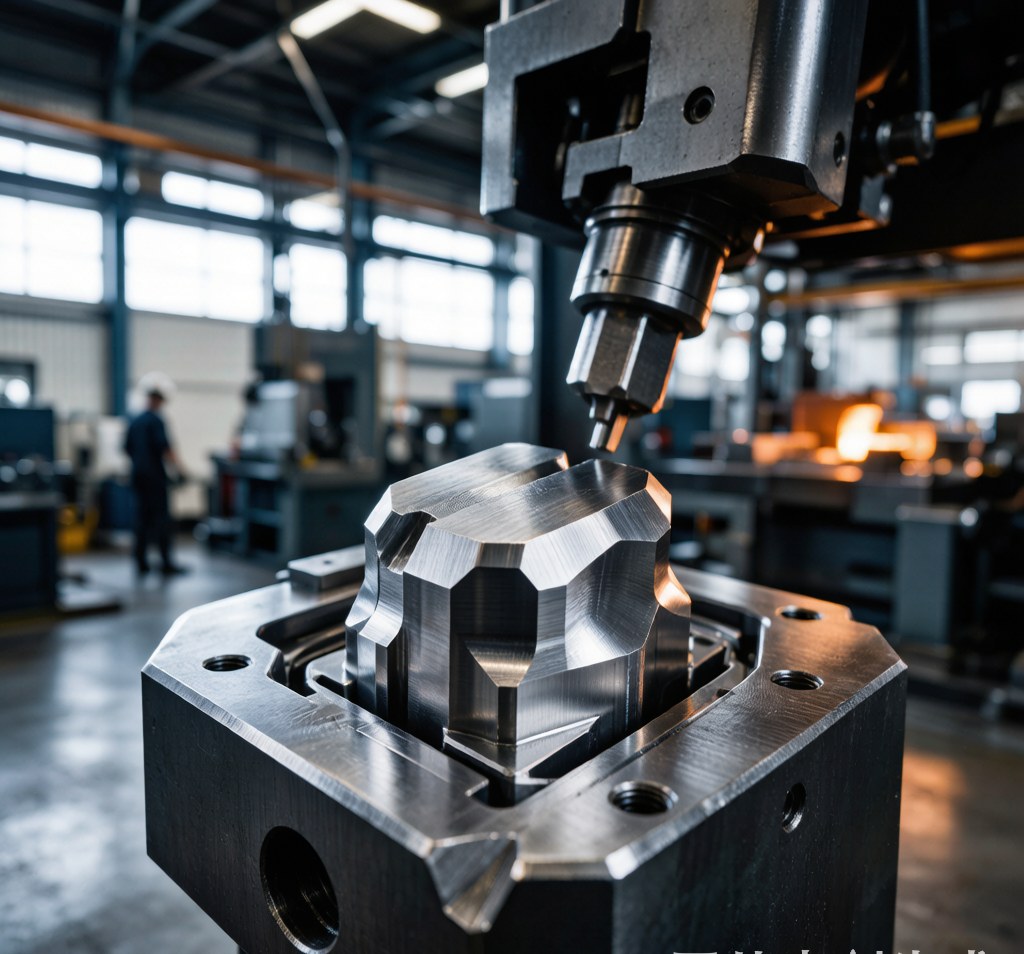
Closed-die forging squeezes heated metal inside a precision die cavity, reproducing a complex shape repeatably at high volume. The constrained flow aligns the grain to the contour for strength, and near-net shape cuts machining cost. This guide covers how it works, when to choose it, the materials, and how to spec your job.

How Closed-Die Forging Works
A heated billet is placed in the die and struck until it fills the cavity; excess flash is trimmed. We usually finish with CNC milling and heat treatment. Versus open-die forging, closed die is repeatable and net-shape.
Closed vs. Open Die
Closed die wins for high volume and complex, consistent shapes; open die suits large or low-volume custom work. Choose closed die when the run justifies the die investment.
Materials We Forge
- Carbon and alloy steel—the dominant choice.
- Stainless and aluminum—corrosion and lightweight.
- Titanium—aerospace details.
Industries That Rely on Closed-Die Forging
Automotive, aerospace, power generation, and hand tools all use closed-die forgings for strength at volume.
How to Spec Your Closed-Die Forging Job
- State the material and grade.
- Provide the cavity shape (drawing or sample).
- Set tolerances—tight and repeatable.
- Specify volume to justify the die.
- Define heat treatment and hardness.
- Note machined features to follow.
FAQ
How precise is closed-die?
Tight and repeatable across the run.
What volume pays off?
Higher volumes spread the die cost.
How much scrap?
Only the trim flash—very material-efficient.
Why Choose Huaxiao for Closed-Die Forging
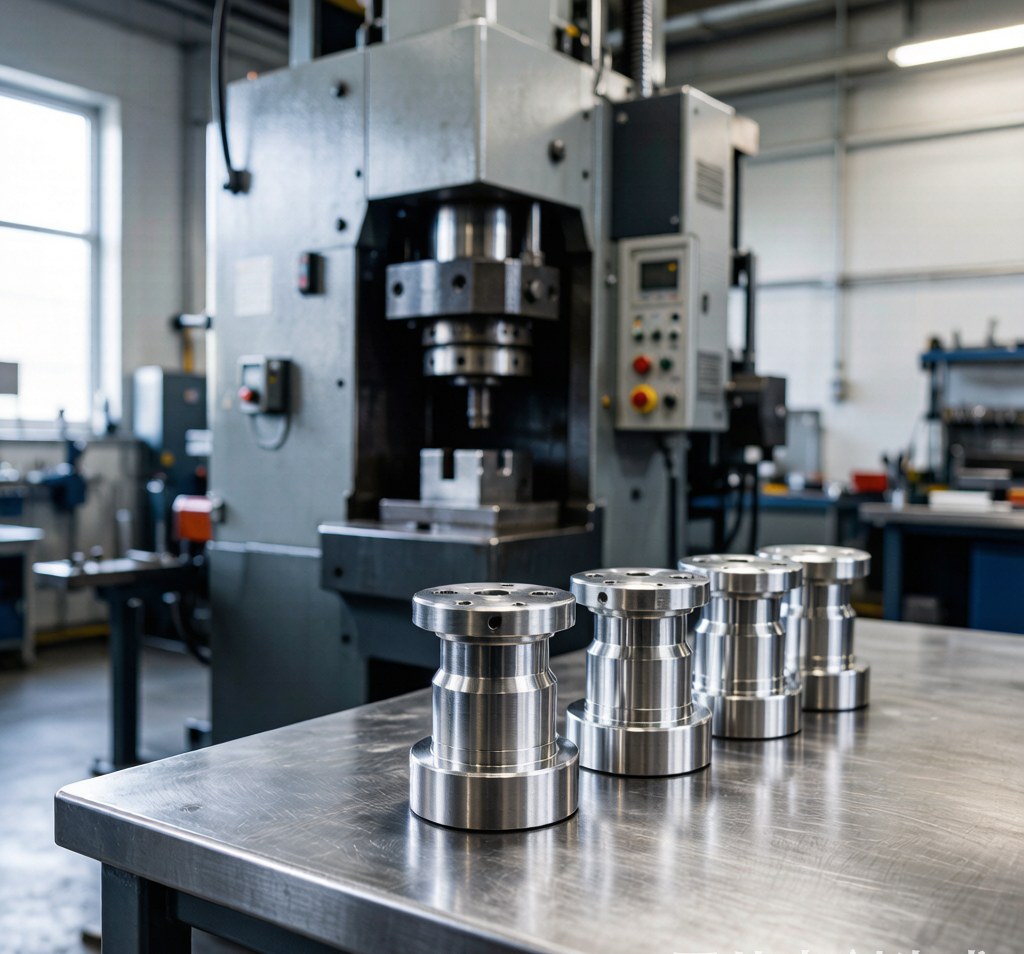
Our closed-die forging service delivers repeatable, near-net forgings with integrated machining. Send your drawing for a quote covering tooling through finishing.

