
Upset Forging Services: Strong Headed Parts
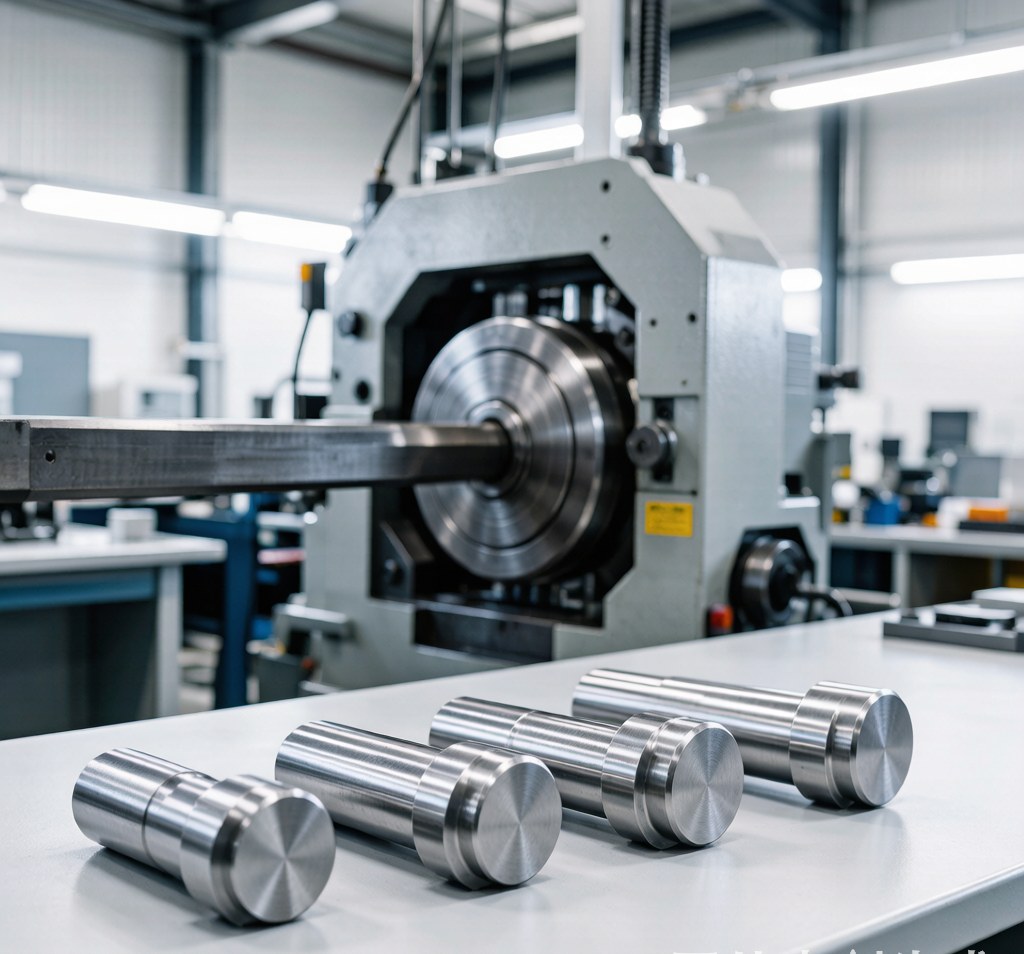
Upset forging thickens and widens the end of a bar or tube in a single localized blow, creating a strong head—bolts, valves, and fasteners are the classic result. It builds material exactly where you need mass without welding or machining a separate piece. This guide covers how it works, when to choose it, the materials, and how to spec your job.

How Upset Forging Works
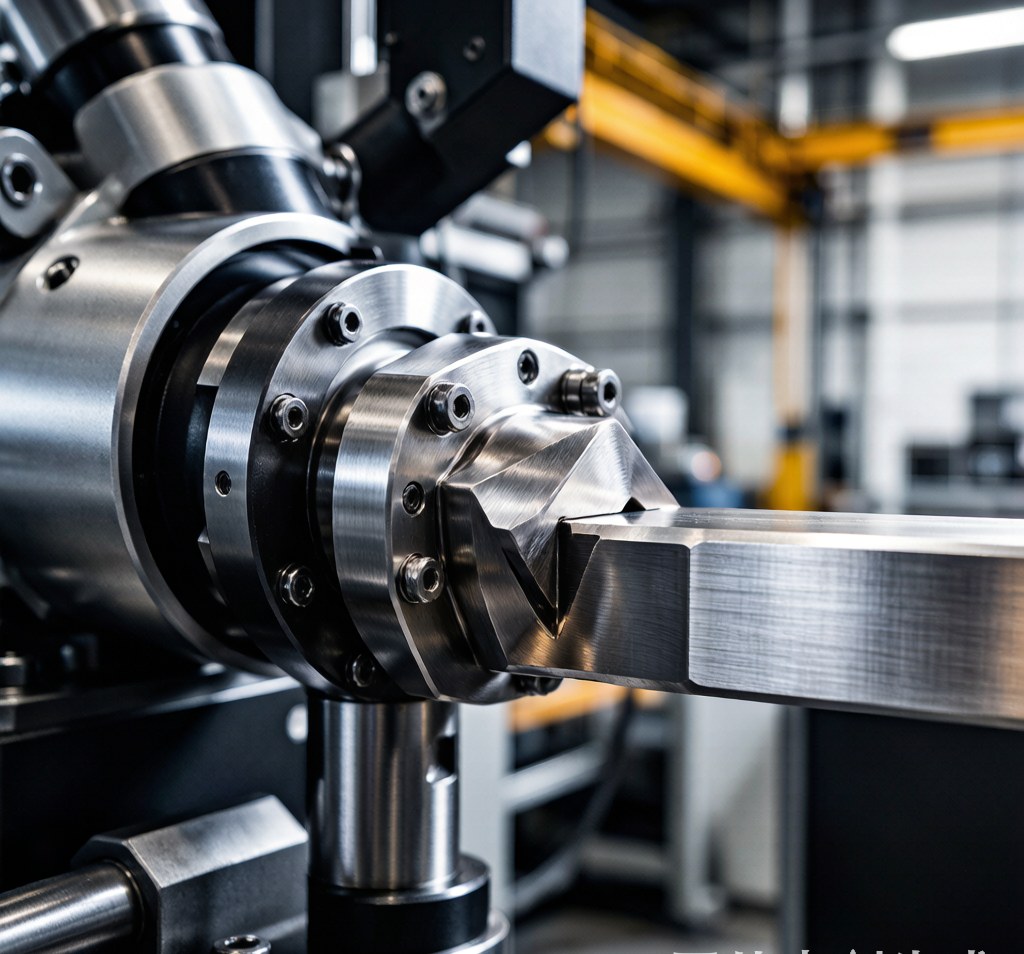
The bar is held and its end heated, then a die upsets it into a head; the grain flows with the shape for strength. We usually follow with heat treatment and CNC milling for threads or features.
When to Choose Upset Forging
Pick upset forging for headed fasteners, valve stems, and connectors where a local mass is needed. Versus full forging, it concentrates the work at the head and leaves the shank as bar.
Materials We Upset
- Carbon and alloy steel—fasteners and valves.
- Stainless steel—corrosion service.
- Aluminum and brass—lightweight and plumbing.
Industries That Rely on Upset Forging
Fasteners, automotive, and oil & gas all use upset heads for strong, single-piece connectors.
How to Spec Your Upset Forging Job
- State the material and grade.
- Define head size and shape (diameter, height).
- Give shank diameter and length.
- Set tolerances on head and shank.
- Specify heat treatment and hardness.
- Share volume for tooling choice.
FAQ
Is the head as strong as the bar?
Yes—the grain flows into the head for integral strength.
Can you thread the shank?
Yes, by machining after forging.
What sizes are possible?
From small fasteners to large valve stems.
Why Choose Huaxiao for Upset Forging
Our upset forging service delivers strong, single-piece headed parts with integrated machining. Send your drawing for a quote covering the full chain.

