
Spot Welding Services: Fast Sheet-Metal Joints
Spot welding (resistance welding) joins sheet-metal parts by passing a concentrated current through overlapping sheets between copper electrodes, fusing them at discrete points in milliseconds. For automotive bodies and enclosures, it’s the high-speed way to make strong, clean joints without filler. This guide covers how it works, when to choose it, the materials, and how to spec your job.
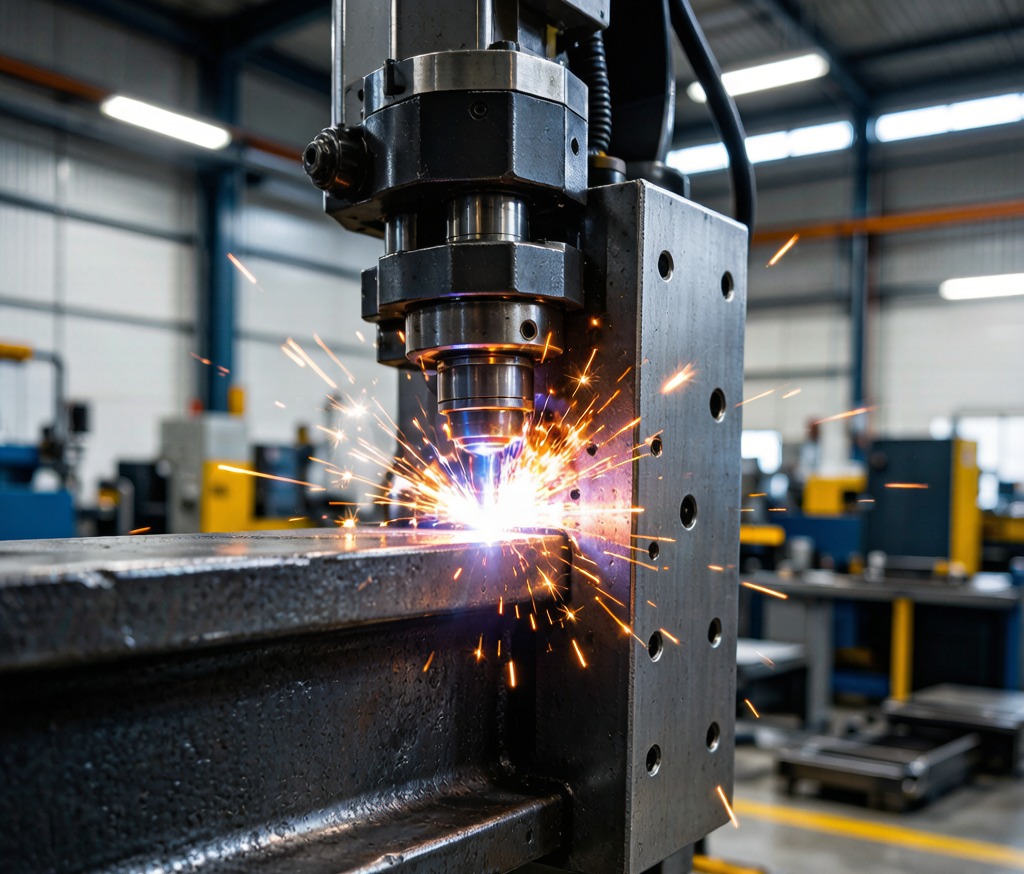
How Spot Welding Works
Electrodes clamp the sheets and a short, intense current heats the interface to fusion, forming a weld nugget—no filler, minimal spatter. We frequently join parts after CNC bending and CNC punching.
Spot vs. MIG and TIG Welding
Spot welding is the fastest for overlapping sheet; MIG and TIG suit thicker or structural joints. Choose spot for volume sheet assemblies.
Materials We Spot-Weld
- Cold-rolled and stainless sheet—bodies and enclosures.
- Galvanized steel—with the right process control.
- Thin-gauge metals—where fusion welding would distort.
Industries That Rely on Spot Welding
Automotive bodies, appliance cabinets, and metal enclosures all use spot welding for fast, clean joints.
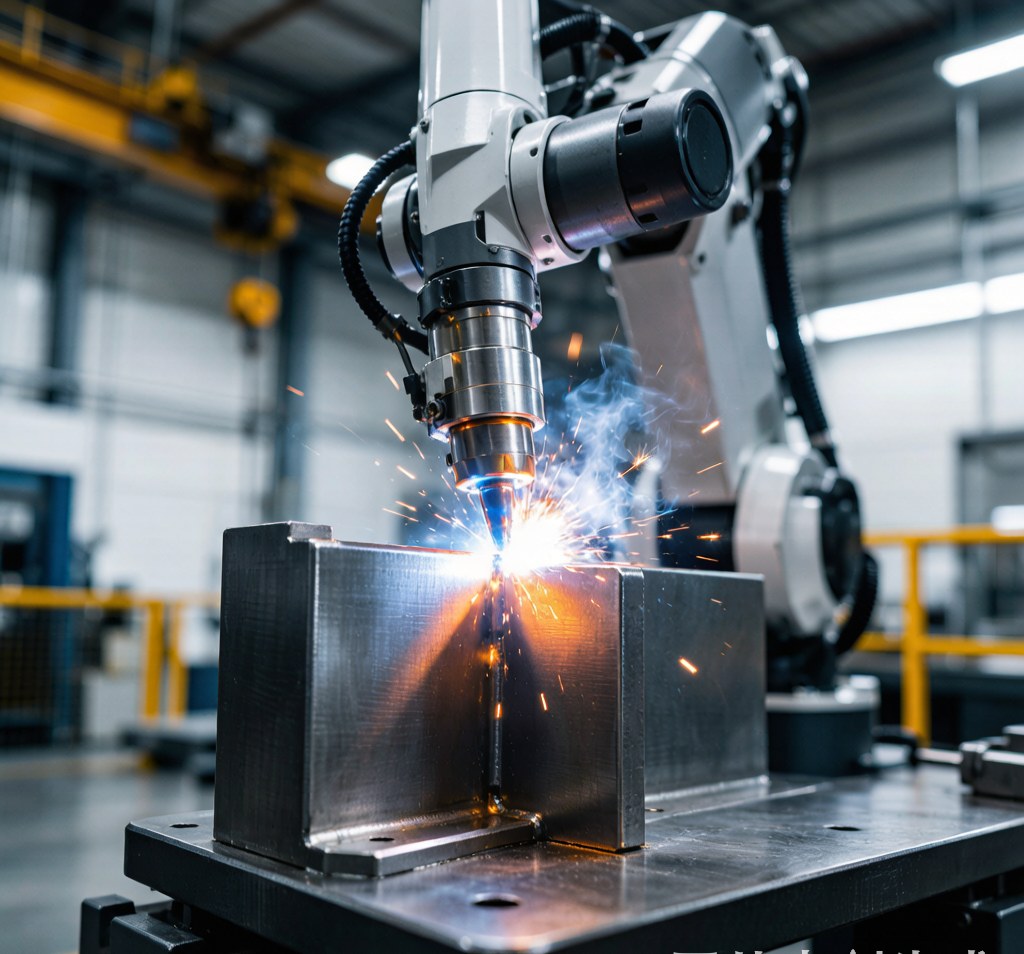
How to Spec Your Spot Welding Job
- State material and thickness of each sheet.
- Define weld pitch and pattern.
- Set nugget size and strength target.
- Note any coating (galvanized, painted).
- Flag tolerances on the assembly.
- Share volume for fixturing.
FAQ
Is it as strong as the sheet?
A good nugget carries the load of the overlap.
Does it distort thin parts?
Less than arc welding—low heat input.
Can galvanized be spot-welded?
Yes, with fume control and tuned settings.
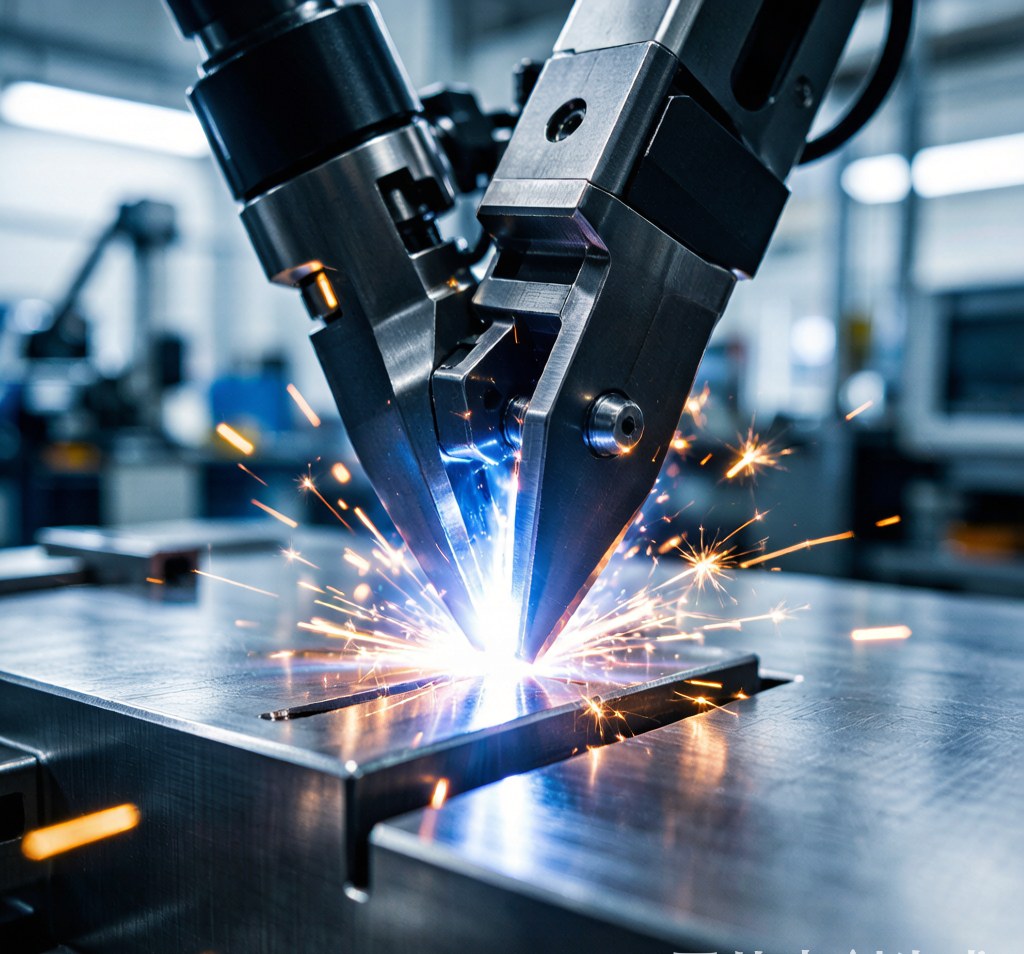
Why Choose Huaxiao for Spot Welding
Our spot welding service delivers fast, consistent sheet joints with integrated fabrication. Send your drawing for a quote covering weld through finish.

