
Robotic Welding Services: Consistent Volume Welds
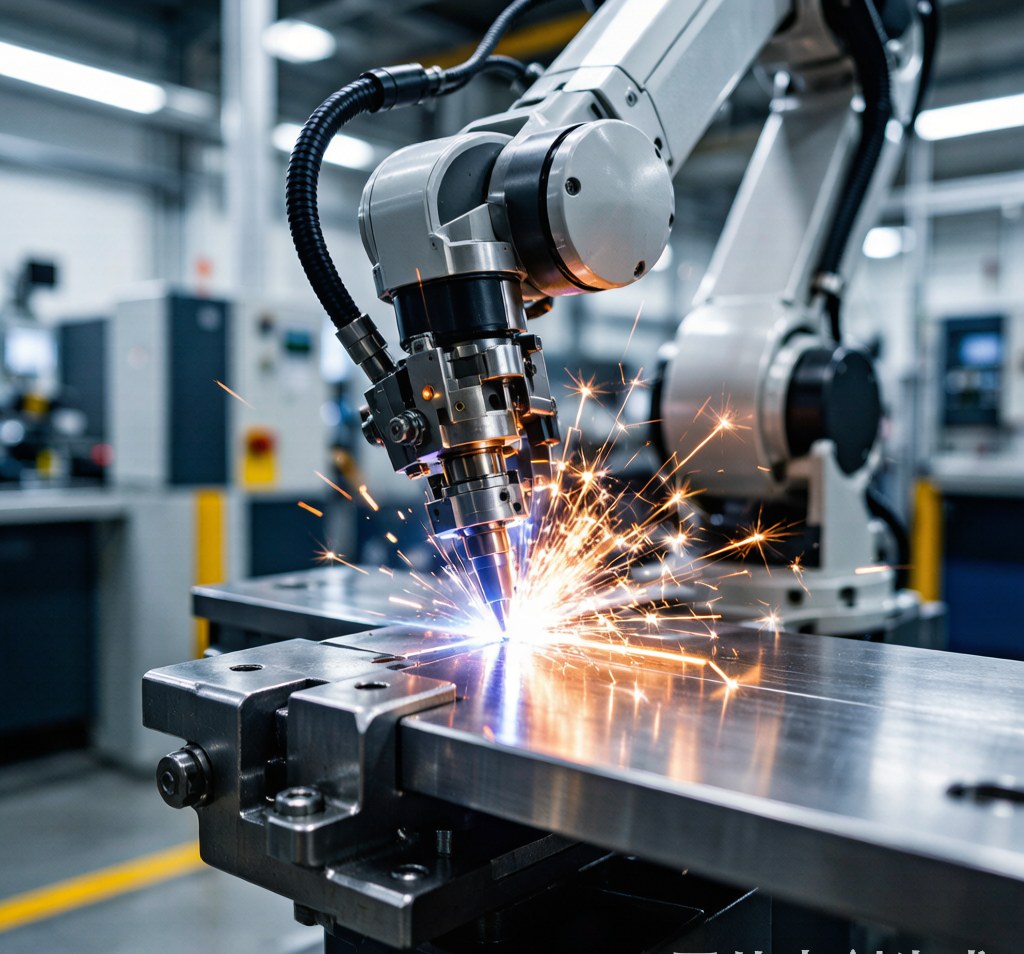
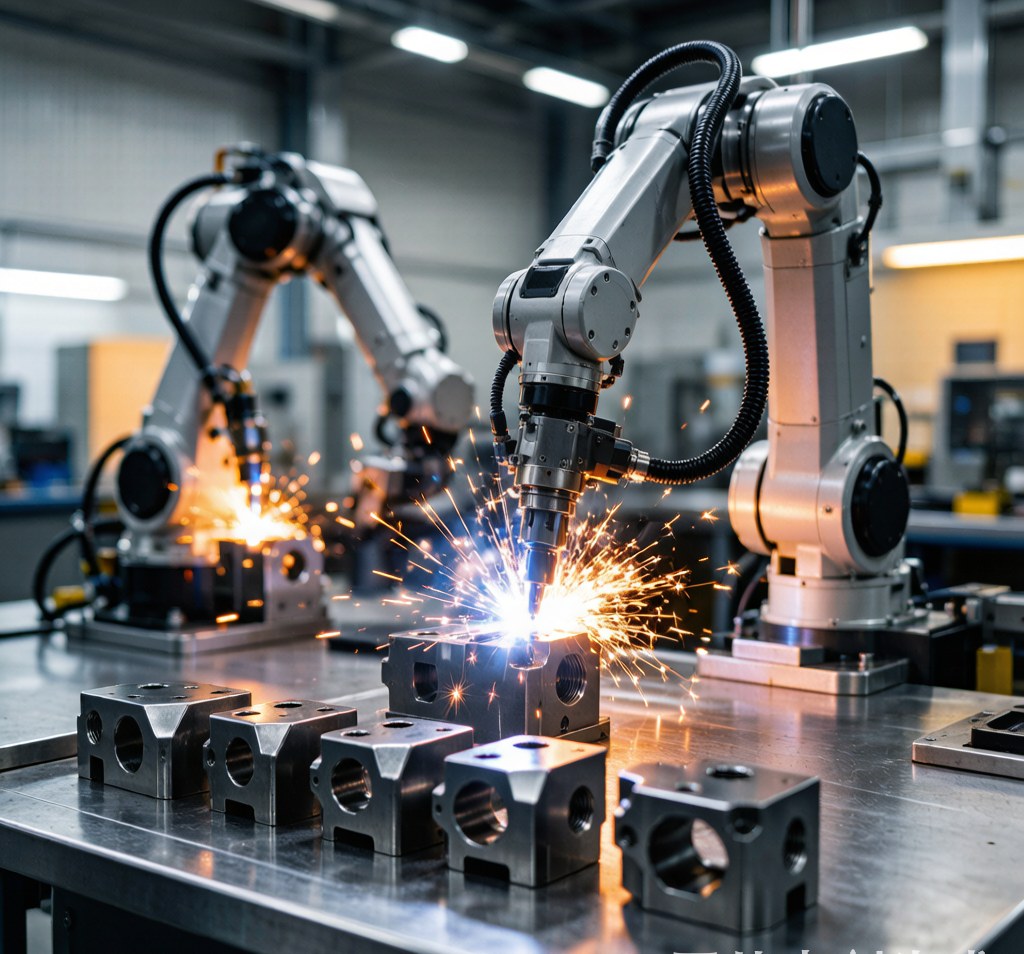
Robotic welding automates MIG, TIG, or spot welding with a programmed arm for consistent, repeatable, lights-out joints at volume. For production fabrication, it locks quality and throughput. This guide covers how it works, when to choose it, the materials, and how to spec your job.

How Robotic Welding Works
A welding robot repeats the exact path and parameters every cycle, so penetration and appearance stay constant. We integrate it with CNC bending and machining for complete fabrications.
Robotic vs. Manual Welding
Robotics wins on repeatability and volume; manual welding stays best for one-offs and complex positions. See how it compares with MIG welding for flexible runs.
Materials We Robotic-Weld
- Steel and stainless—structural and frames.
- Aluminum—with tuned parameters.
- Production assemblies—where consistency matters.
Industries That Rely on Robotic Welding
Automotive, machinery, and structural fabrication use robots for dependable volume welding.
How to Spec Your Robotic Welding Job
- State material and thickness.
- Define the joint and weld symbol.
- Provide a repeatable fixture plan.
- Set tolerances and inspection (visual, dye, X-ray).
- Note distortion control if needed.
- Share volume to justify programming.
FAQ
Is it as strong as manual?
Yes—often more consistent bead-to-bead.
What’s the setup cost?
Programming and fixtures; paid back at volume.
Can it weld aluminum?
Yes, with the right process and gas.
Why Choose Huaxiao for Robotic Welding
Our robotic welding service delivers consistent, high-throughput joints with integrated fabrication. Send your drawing for a quote covering weld through finish.

