
Riveting Services: Permanent, Heat-Free Joints
Riveting joins sheets and components with a permanent mechanical fastener—no heat, no softening, just a cold-set head that holds. For blind joints, composites, and service where welding isn’t possible, rivets are the reliable choice. This guide covers how it works, when to choose it, the materials, and how to spec your job.

How Riveting Works
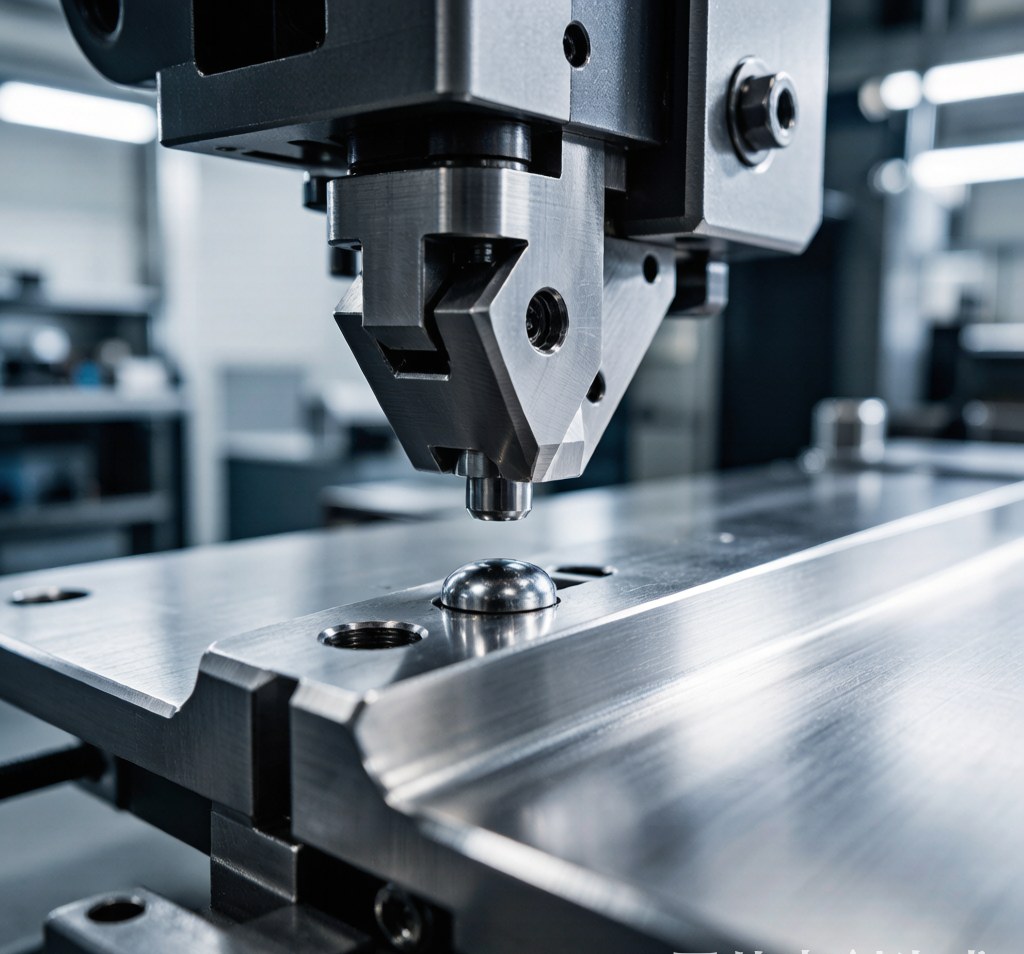
A rivet is placed in a hole and its tail upset into a second head, clamping the parts permanently. We punch the holes on a turret punch and form the part on a press brake first.
Riveting vs. Welding
Rivets join dissimilar or heat-sensitive materials without fusion; welding fuses for maximum strength. Choose rivets when heat would damage the part or the joint must be taken apart later.
Materials We Rivet
- Steel, aluminum, stainless—sheet assemblies.
- Composites and plastics—with blind rivets.
- Mixed-material stacks—where welding fails.
Industries That Rely on Riveting
Aerospace, enclosures, and structural assemblies use rivets for reliable, heat-free joints.
How to Spec Your Riveting Job
- Choose rivet type (blind, solid, structural).
- State material and thickness of the stack.
- Define hole pattern and spacing.
- Set the strength requirement.
- Note any sealant or coating.
- Share volume for tooling.
FAQ
Is it permanent?
Solid rivets are; blind rivets too, though some are removable.
Can it join铝 to steel?
Yes—rivets avoid galvanic/weld issues.
Watertight?
With sealant or sealed rivets, yes.
Why Choose Huaxiao for Riveting
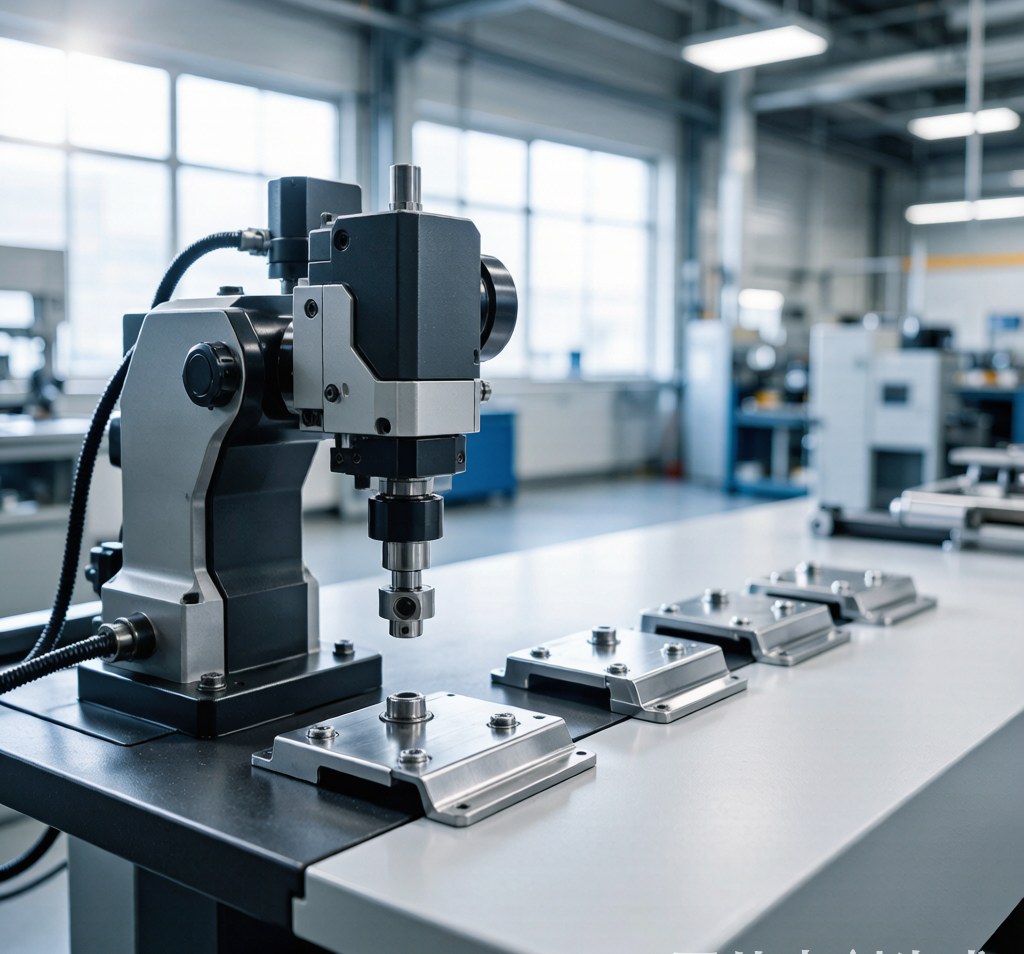
Our riveting service delivers permanent, heat-free joints with integrated fabrication. Send your drawing for a quote covering rivet through finish.

