
Silk Screening Services: Durable Branding on Metal
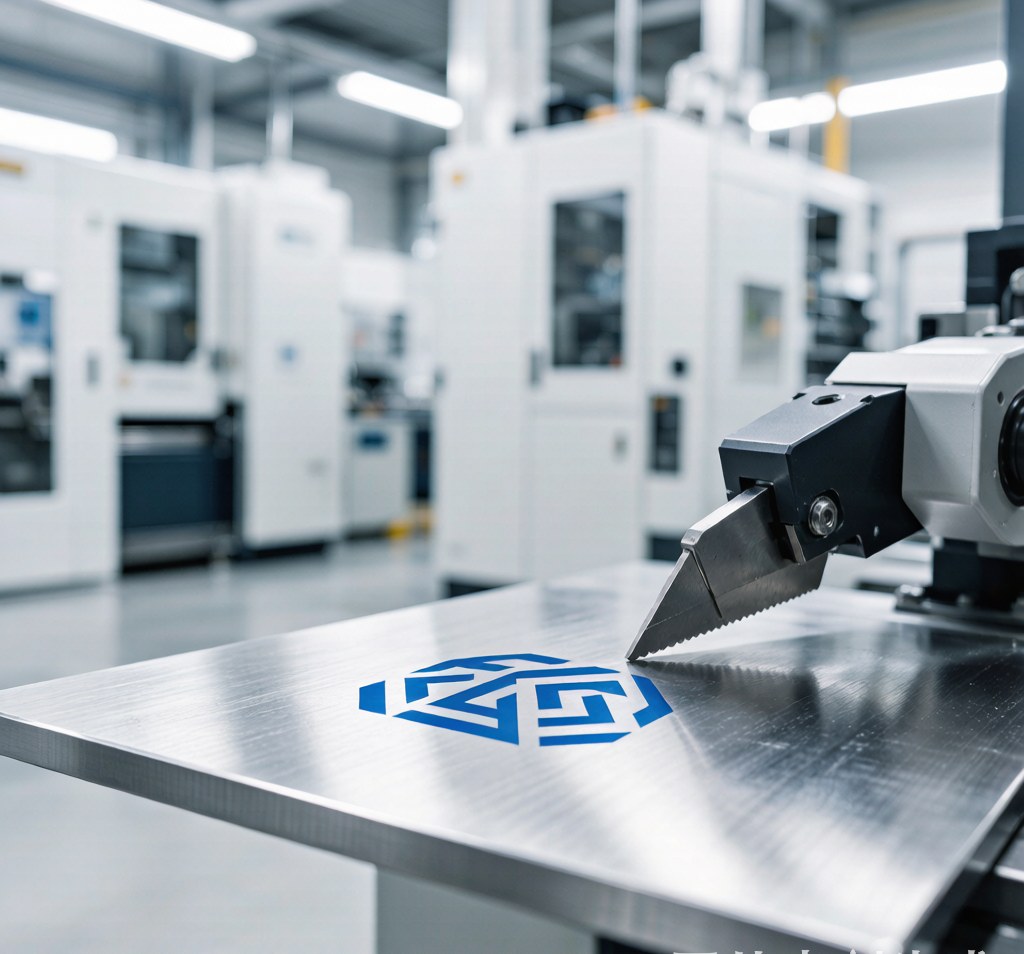
Silk screening (screen printing) pushes ink through a mesh stencil to print logos, labels, and markings onto metal panels and parts. For durable, high-contrast branding and part ID, it sits alongside laser marking. This guide covers how it works, when to choose it, the materials, and how to spec your job.

How Silk Screening Works
A squeegee forces ink through a fine mesh stencil onto the part, building a crisp mark. Compare it with laser marking: screen prints color and brand; laser etches permanent ID.
Silk Screening vs. Laser Marking
Screen printing gives multi-color branding on coated surfaces; laser is permanent and ink-free. Choose screen for logos and color, laser for serials and traceability.
Materials We Screen-Print
- Painted and powder-coated metal—panels and enclosures.
- Anodized aluminum—bright, durable marks.
- Some plastics—with compatible ink.
Industries That Rely on Silk Screening
Branding, control panels, and consumer products use screen printing for clean, colorful marks.
How to Spec Your Silk Screening Job
- Provide the artwork (vector, per color).
- State colors and Pantone if needed.
- Define the print location and size.
- Note the substrate and finish.
- Set durability (abrasion, solvent, UV).
- Share volume for stencil setup.
FAQ
Is it permanent?
Durable on coated surfaces; less so than laser etching.
How many colors?
Multi-color by separate stencils.
Can it go on raw metal?
Usually needs a coating for adhesion.
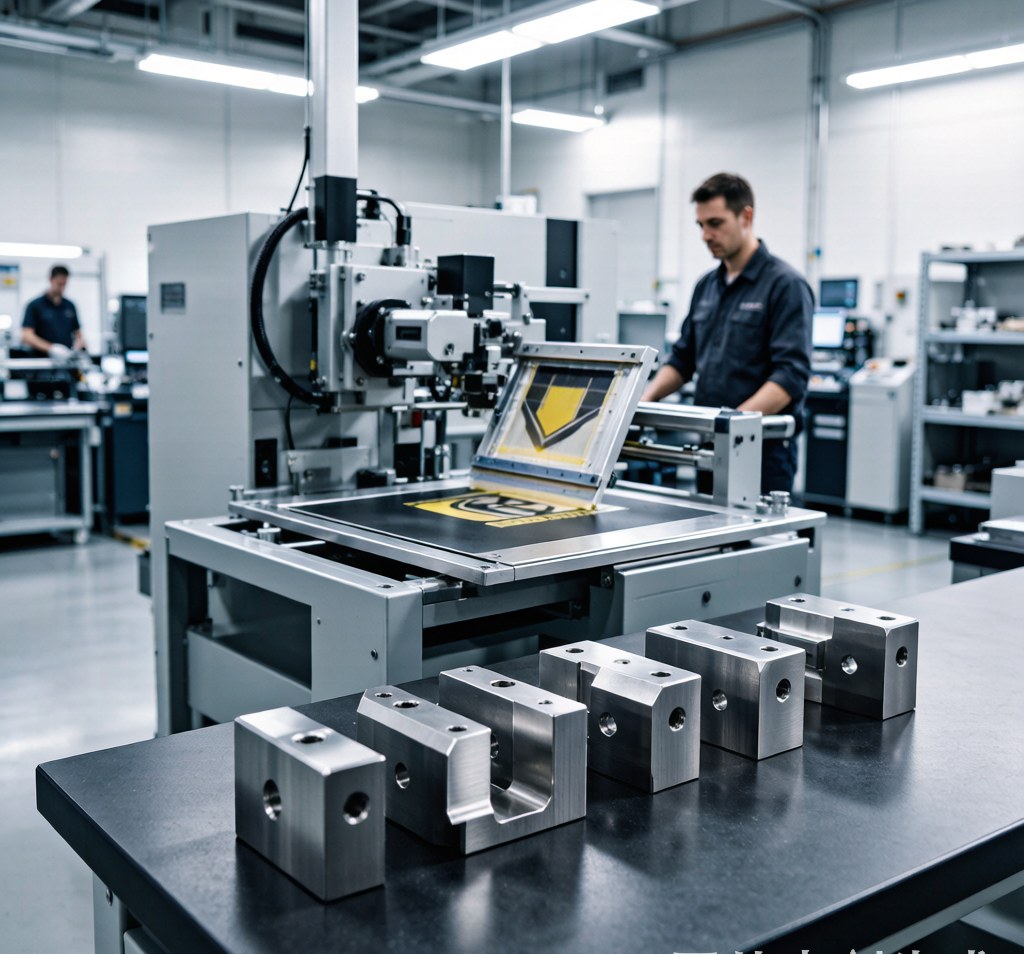
Why Choose Huaxiao for Silk Screening
Our silk screening service prints crisp, durable branding on your parts. Send your artwork for a quote covering print and finish.

