
CNC Machining Services: How to Choose the Right Process and Supplier
CNC machining services remove material from solid stock to make parts to exact geometry—no tooling, fast turnaround, and tolerances most other processes cannot touch. Whether you need one prototype or ten thousand production parts, knowing the difference between milling, turning, and multi-axis work helps you buy smarter. This guide covers the processes, materials, tolerances, and the supplier questions that matter.

Milling vs. Turning: Which One?
CNC milling spins a cutter against a fixed or moving workpiece—ideal for pockets, slots, and prismatic shapes. CNC turning spins the part against a stationary tool—best for round, concentric features like shafts and bushings. Many parts need both; our Swiss turning cells handle small, complex, high-volume diameters with extreme precision.
3-, 4-, and 5-Axis Machining
3-axis machining covers most flat and prismatic parts economically. 4-axis adds a rotary axis for cylindrical features without repositioning. 5-axis machining reaches compound angles in a single setup—critical for aerospace and medical geometry. Step up only when undercuts or multi-face features demand it.
Materials We Machine
- Aluminum alloys — fast, cost-effective, and easy to finish.
- Stainless and carbon steels — structural and wear components.
- Brass, copper, bronze — electrical and decorative parts.
- Titanium and Inconel — with tooling optimized for hard alloys.
- Engineering plastics — insulators, jigs, and wear parts.
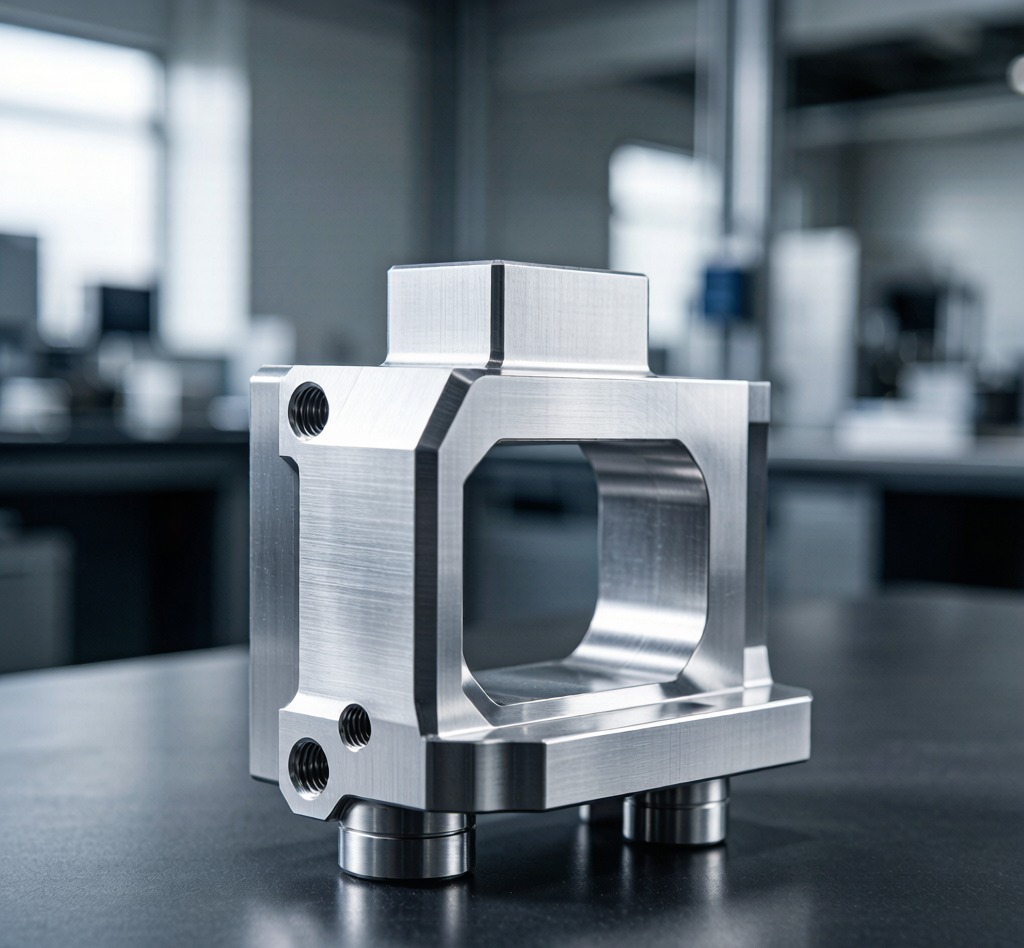
Tolerances and Inspection
Standard ±0.05 mm, with ±0.01 mm achievable on critical features. Surface grinding, cylindrical grinding, and honing push roundness and finish even further when a feature demands it.
How to Get an Accurate Quote
- Provide a clean STEP/IGES model and a 2D drawing with critical tolerances.
- State quantity and lead time so batch and fixturing are set correctly.
- Define the finish—anodize, passivation, or deburring—up front.
- Request DFM feedback to cut cost before machining starts.
FAQ
Is CNC good for production volumes?
Yes. Repeatability makes it ideal from a single prototype to thousands of parts.
When should I use 5-axis?
When parts have undercuts, angled holes, or features on multiple faces that would need several setups.
What file do I send?
A 3D model (STEP/IGES) plus a 2D drawing with critical dimensions called out.
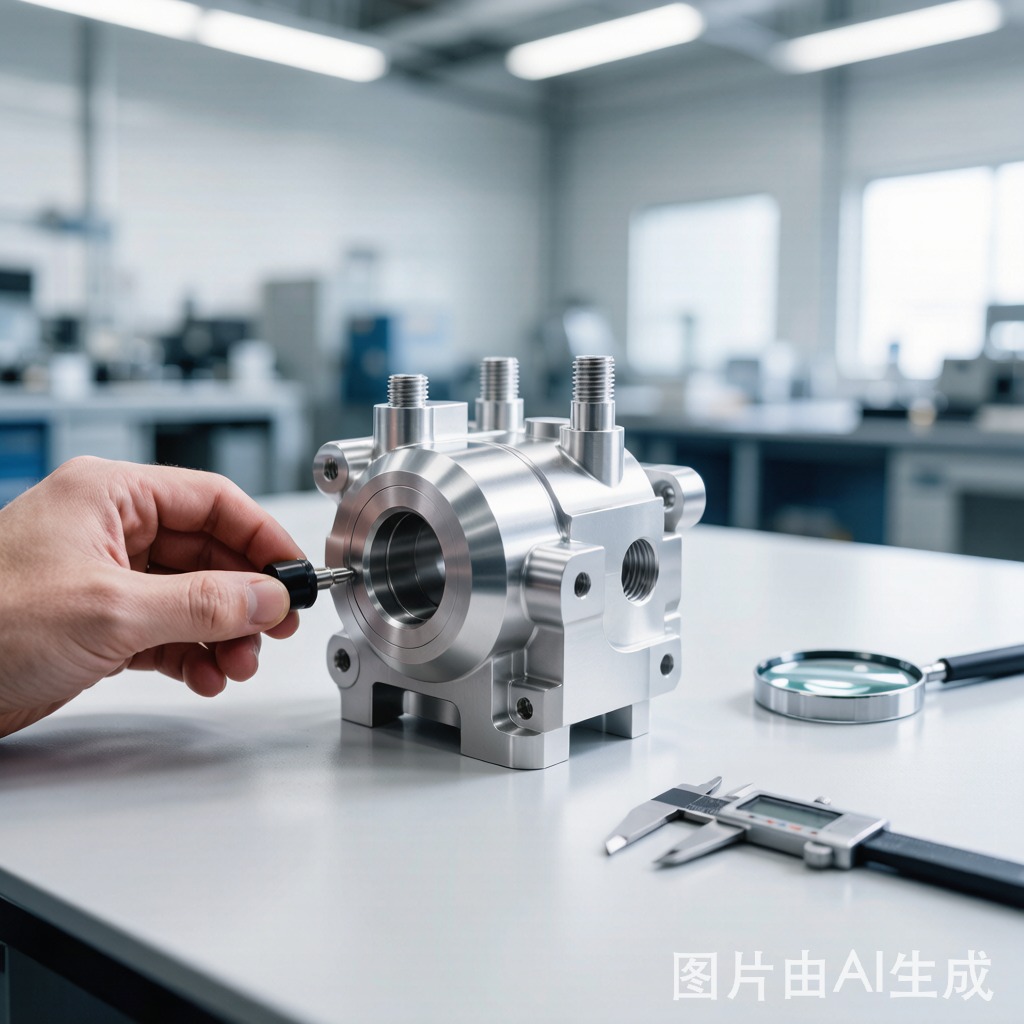
Why Choose Huaxiao for CNC Machining
Our CNC machining service pairs fast centers with DFM feedback and in-house inspection, scaling from prototype to steady production without changing suppliers. Upload your model for a competitive, build-ready quote.

