
Tantalum machining services are required wherever components must survive extreme corrosion, high temperatures, and aggressive chemical exposure. With a melting point near 3000°C and outstanding resistance to acids and alkalis, tantalum is the material of choice for reactors, heat exchangers, and semiconductor hardware. Its very properties, however, make it challenging to machine, and only shops with the right tooling, coolant strategy, and process discipline can hold tight tolerances without degrading the metal.
This article explains why tantalum is difficult to cut, where it is used, and how a controlled process route delivers clean, dimensionally stable parts with full certification. If your program depends on corrosion resistance that ordinary stainless cannot deliver, precision-machined tantalum is often the answer.
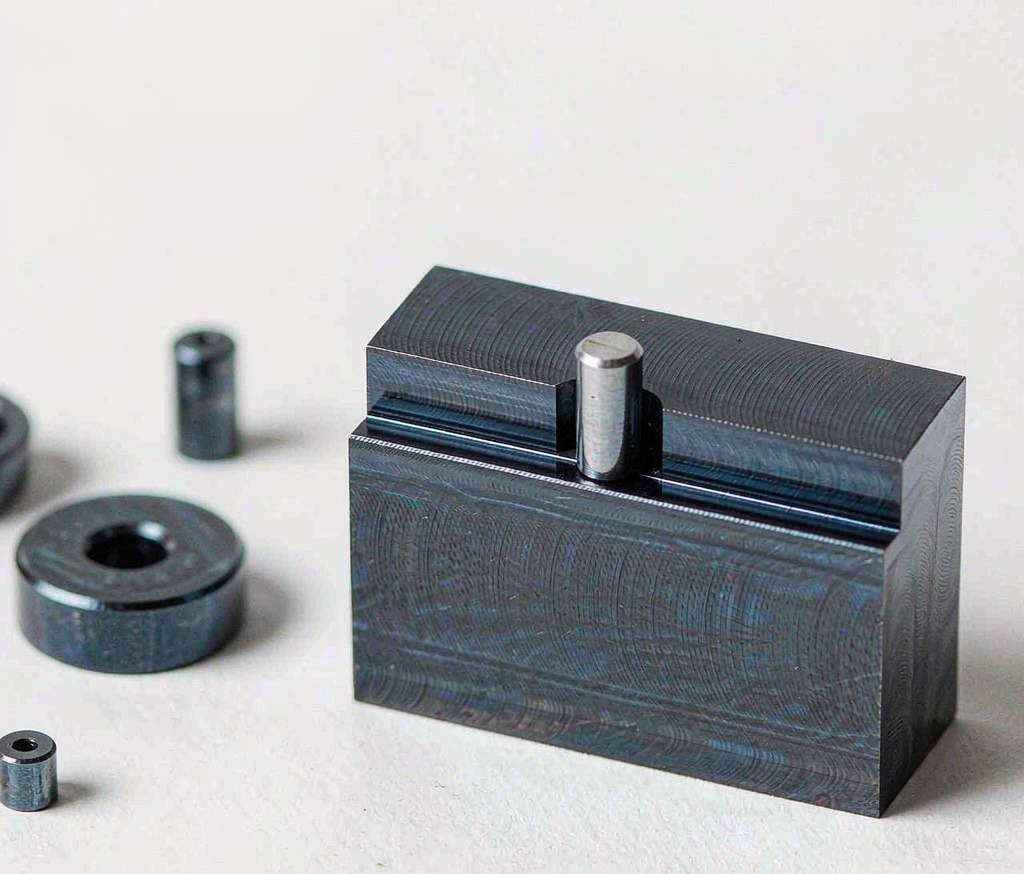
What Makes Tantalum Difficult to Machine
Tantalum work-hardens rapidly, has a high affinity for tooling, and tends to smear or gall if speeds, feeds, and coolant are wrong. It is also dense and relatively soft, so it can seize in the cut and ruin both the tool and the part. Success depends on sharp tools, positive rake angles, generous cooling, and conservative chip loads. Our CNC turning“>CNC turning and CNC milling“>CNC milling cells are set up specifically for refractory and exotic metals, with dedicated fixtures and coolant strategies.
Typical Tantalum Applications
Chemical processing equipment, semiconductor chambers, medical implants, and aerospace hardware all rely on machined tantalum. Titanium machining shares some of the same shop discipline, but tantalum’s corrosion profile is in a class of its own for acidic service, which is why it appears in the most aggressive reactor and heat-exchanger environments.
Machining Strategy: Tools, Coolant, and Parameters
We use rigid setups, coated carbide or PCD tooling, and flood coolant to manage heat and carry chips away before they can work-harden the surface. Multi-axis work is handled on 5-axis CNC machining“>5-axis CNC machining centers so complex geometries are completed in fewer setups, protecting accuracy and reducing handling that could mark the part. Conservative parameters keep the cut stable and the surface clean.
EDM and Grinding for Tantalum
For fragile features or tight internal forms, EDM machining“>EDM machining and wire EDM“>wire EDM provide a non-contact alternative that avoids work-hardening entirely. Final surface grinding“>surface grinding delivers the flatness and finish many semiconductor and medical parts require, and removes any residual stressed layer left by earlier cutting operations.
Tolerances and Surface Finish
We regularly hold tight tolerances on thin-wall and miniature tantalum parts. Surface finish is controlled to reduce crevice sites in corrosive service, and edges are deburred to prevent stress concentration that could initiate cracking. Every dimension is verified against the drawing before the part is released.
Quality and Material Certification
Every order ships with material certification and dimensional reports. Our work on Inconel machining and Hastelloy machining services follows the same traceability standards demanded by regulated industries, so your quality team receives the documentation they expect.
Lead Time and Quote Process
Send your drawing with material specification, tolerance, quantity, and application. We return a process route and quote, and can supply prototypes to validate the design before full production, reducing risk on long-lead exotic material.
Cost Drivers in Tantalum Machining
Tantalum is among the most expensive engineering metals, so the largest cost lever is avoiding scrap on long-lead stock. We review your drawing for features that can be achieved by EDM or grinding rather than aggressive milling, because every gram removed as swarf is paid-for material. Consolidating operations onto a 5-axis center also reduces setups and handling, which is where a surprising amount of exotic-metal cost hides in a typical quote.
Another driver is inspection scope. Full material certification and multiple CMM reports add cost but are often mandatory in semiconductor and medical programs. We help you specify exactly the documentation your application requires, so you are not paying for more traceability than the part needs while still clearing your quality gate and any customer audit.
How We Ensure Quality on Tantalum Parts
Because tantalum is unforgiving of contamination, we keep dedicated tooling and strict housekeeping on reactive-metal work. Chips are segregated for recovery, and surfaces are protected from iron pickup that could compromise corrosion performance in service. First-article inspection confirms the process before volume production begins.
Every shipment includes the certificates and reports your team expects, and dimensions are verified against the drawing on calibrated equipment. The result is a part that performs in the aggressive environment it was designed for, backed by the paperwork needed to prove it.
Frequently Asked Questions
Why is tantalum hard to machine?
It work-hardens quickly, galls against tooling, and smears if parameters are wrong. Sharp tools, rigid setups, and strong coolant control are essential.
What tolerances can be held on tantalum?
Tight tolerances are achievable on miniature and thin-wall parts using 5-axis machining plus EDM and grinding for critical features.
Is material certification provided?
Yes. Mill certificates and dimensional inspection reports ship with every order for full traceability.
Which industries use machined tantalum?
Chemical processing, semiconductor, medical implants, and aerospace are the primary consumers of precision tantalum parts.
Can you machine both prototypes and production?
Yes. We support prototype validation followed by production runs with consistent process control.
How do you prevent work hardening during cutting?
By using sharp tooling, positive geometry, appropriate speeds and feeds, and continuous flood coolant to manage heat.
Ready to Start Your Project?
Get a build-ready quote on your custom metal parts within 24 hours. Share your drawing and our engineers will respond with process, lead time, and pricing.

