
Zirconium machining services support components that must resist aggressive corrosion in nuclear, chemical, and marine environments while maintaining high purity. Zirconium’s excellent resistance to acids and its low neutron absorption make it indispensable in reactors and processing equipment. Like other reactive metals, it demands careful control during machining, because the same heat that forms chips can also form a brittle oxide that ruins the surface and embrittles the part.
This guide reviews where zirconium is specified, the oxidation risks in cutting, and how a disciplined process route yields certified, dimensionally stable parts that perform in the harshest service.
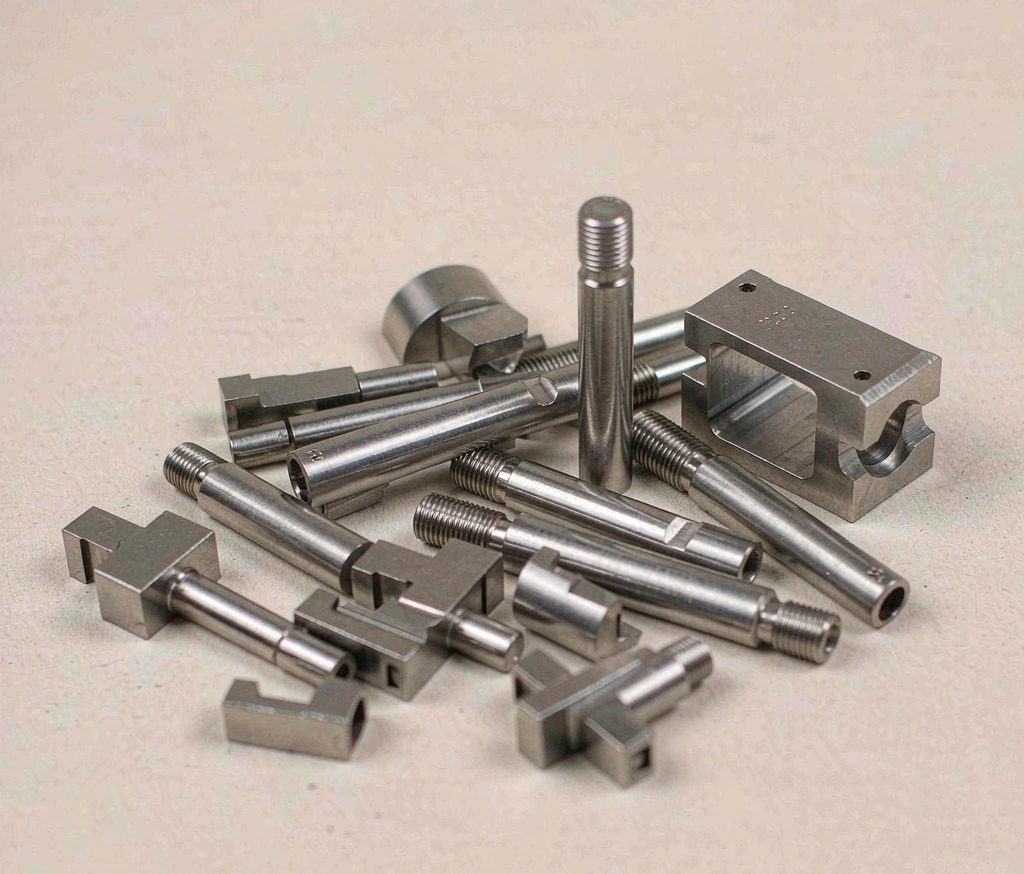
Why Zirconium Is Specified
Zirconium offers a rare combination of corrosion resistance, biocompatibility, and nuclear properties. It is widely used in chemical reactors, heat exchangers, and marine hardware where stainless steels would fail within months. Our CNC turning“>CNC turning and CNC milling“>CNC milling teams machine zirconium with the same care applied to other reactive alloys, using dedicated tooling and coolant plans.
Key Applications of Machined Zirconium
Beyond nuclear and chemical plant, zirconium appears in medical devices and high-purity processing where contamination cannot be tolerated. Titanium machining often runs alongside zirconium on the same projects where light weight and corrosion resistance are both needed, and the shop discipline carries across both metals.
Machining Challenges: Oxidation Control
The main risk is oxidation: at elevated temperatures zirconium forms a hard, brittle oxide that ruins surface quality and can embrittle the part. We control cutting temperatures with sharp tools, correct parameters, and effective coolant, and when needed we machine in a controlled atmosphere. Complex work is done on 5-axis CNC machining“>5-axis CNC machining centers to minimize handling and maintain a clean surface.
Process Route and Equipment
Fine features may be produced with EDM machining“>EDM machining, and final dimensions are refined with surface grinding“>surface grinding. Where stress must be removed after forming or machining, heat treatment“>heat treatment in a protective environment stabilizes the component without introducing the oxide layer that open-air processing would cause.
Tolerances, Finish, and Inspection
We hold tight tolerances and control surface finish to limit corrosive attack sites. Every part is inspected for dimension, finish, and absence of surface contamination, because even a thin oxide film can compromise performance in high-purity systems.
Material Certification and Traceability
Zirconium orders ship with material certification. Our experience with Inconel machining and Monel machining services ensures the same documentation discipline, so your quality and procurement teams get the traceability they require.
Lead Time and How to Order
Send your drawing with alloy grade, tolerance, finish, and quantity. We propose a process route and quote, and can supply prototypes before full production so you can verify fit and finish on long-lead material.
Cost Drivers in Zirconium Machining
Zirconium is a high-value reactive metal, so the most effective way to control cost is to minimize the volume removed and to avoid rework from oxidation. We plan the process so that cutting stays cool and clean, reducing the risk of a scrapped part late in the build when the material value is already committed. Where a feature can be produced by EDM instead of heavy milling, we do so to protect both surface and budget.
Inspection and certification also influence price. Nuclear and chemical programs may require extensive traceability, while a simpler industrial part may not. We match the documentation to the application so you receive exactly the assurance you need without paying for paperwork that adds no value to your use case.
How We Ensure Quality on Zirconium Parts
We control oxidation at the source with sharp tooling, correct parameters, and effective coolant, and we inspect for any surface contamination that could affect performance in high-purity systems. Dedicated handling prevents the cross-contamination that can ruin a reactive-metal part after machining is complete.
First-article checks confirm the process, and every order ships with material certification and dimensional reports. This discipline is what lets zirconium deliver its exceptional service life in the reactors and processing equipment where it is specified.
When a part is intended for nuclear or high-purity chemical duty, we go further and confirm there is no iron or other contamination on the surface, since even trace pickup can degrade performance. This extra verification is part of why buyers trust machined zirconium in the most demanding reactors and processing lines.
That same discipline applies whether you need a single prototype to validate a design or a recurring production schedule with documented consistency.
Frequently Asked Questions
What is the main machining risk with zirconium?
Oxidation at elevated cutting temperatures, which forms a brittle oxide layer. Careful parameter and coolant control prevents it.
Where is machined zirconium used?
Nuclear reactors, chemical processing equipment, marine hardware, and medical devices where corrosion resistance is critical.
Can zirconium be machined to tight tolerances?
Yes. 5-axis machining, EDM, and grinding allow tight tolerances and good surface finish on reactive zirconium.
Is material certification provided?
Yes. Mill certificates and inspection reports are supplied with every order.
How is distortion controlled?
Through stable process routes, protective heat treatment when needed, and minimal-handling setups on multi-axis machines.
Do you support prototypes and production?
Yes. Prototypes validate the design, then production runs follow with consistent controls.
Ready to Start Your Project?
Get a build-ready quote on your custom metal parts within 24 hours. Share your drawing and our engineers will respond with process, lead time, and pricing.

