
Age hardening services — also called precipitation hardening — strengthen certain alloys after they have been solution-treated and quenched. By holding the part at a moderate temperature, fine precipitates form inside the metal and dramatically raise its strength, often without the corrosion loss associated with some other treatments. Aluminum and magnesium alloys are the most common candidates, but specialty copper and nickel-based systems benefit too, and the process is a cornerstone of lightweight structural design.
This article reviews which alloys respond to aging, how the cycle works, and how to control distortion and properties so the finished part meets both strength and fit targets.
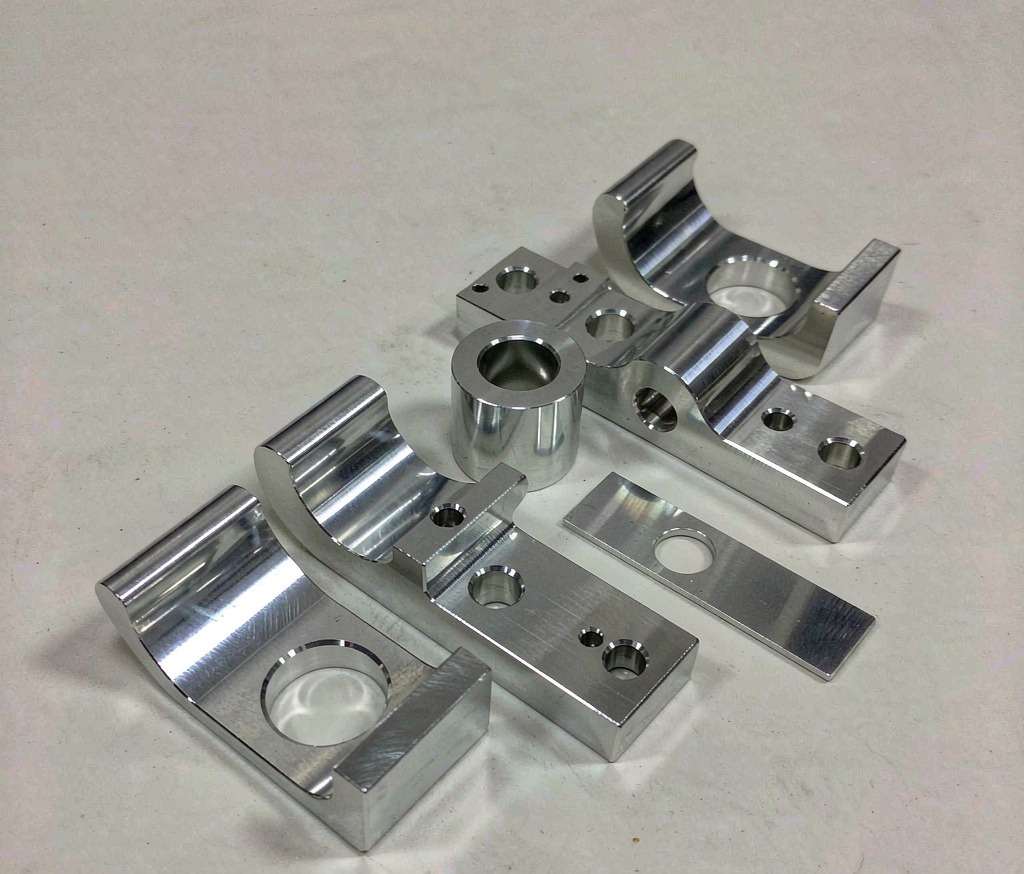
What Age Hardening Accomplishes
Aging converts a soft, solution-treated alloy into a much stronger one through controlled precipitation. The part gains yield strength while retaining good corrosion resistance, which is why it is preferred over cold work in many structural applications. Our heat treatment“>heat treatment cell runs documented age-hardening cycles for aluminum and related alloys, with soak times and temperatures recorded for every load.
Alloys That Respond to Aging
Commonly aged alloys include 2000, 6000, and 7000 series aluminum, magnesium alloys, and some copper and nickel-based systems. Pre-aged stock is also finish-machined on our CNC milling“>CNC milling and CNC turning“>CNC turning centers, so you can send us a drawing and receive a part that is both strong and to-size without a separate heat-treat step elsewhere.
The Solution + Age Cycle
The part is first solution-treated at high temperature, quenched, then aged at a lower temperature for a set time that determines the final strength. Extruded sections from aluminum extrusion“>aluminum extrusion are frequently aged to reach design strength, and the same logic applies to cast and machined components that need a predictable hardness after forming.
Controlling Distortion
Aging can cause slight movement, so fixtures and cycle control matter, particularly on thin or asymmetric parts. Where a part was cast, casting plus machining“>casting plus machining plus a controlled age cycle yields a stable, strong component whose final dimensions were planned around the expected movement rather than fighting it after the fact.
Strength vs Corrosion Balance
Over-aging reduces strength but can improve stability and corrosion; under-aging leaves softness. We target the specification your drawing calls for and verify the result. Final surface grinding“>surface grinding refines critical faces after aging so sealing and fit surfaces are correct.
Quality and Hardness Testing
Hardness or conductivity checks confirm the aging response, and dimensions are verified before shipment. Our aluminum CNC machining and precision casting programs rely on this verification, because an under-aged part that looks correct can still fail in service.
Lead Time and Quote Process
Send the alloy, temper target, drawing, and quantity. We quote a cycle and lead time, and can process prototypes or production batches, with first-article hardness confirmation available when the application requires it.
When Age Hardening Pays Off
Age hardening is the standard way to reach high strength in aluminum and similar alloys without sacrificing the corrosion resistance that makes them useful. The payback is greatest when a part must be both light and strong, such as structural brackets, frames, and housings where a softer temper would require extra material to carry the load. Properly aged, the part meets its strength target at the designed weight.
It also enables near-net processing: a part can be formed or machined in a soft condition and then strengthened, which is often far easier and cheaper than working a hard alloy from the start. That sequence is why aging is so widely used in production aluminum programs.
How We Ensure Quality on Aged Parts
We verify the aging response with hardness or conductivity checks and confirm dimensions afterward, because an under-aged part can look perfect and still fail in service. The cycle is documented so every batch is repeatable and auditable.
For parts that were cast or extruded, we plan the age around the expected movement and machine to the stabilized condition, so the final dimensions are correct and the strength is where the drawing calls for it.
If your design is still evolving, we can advise on which tempers machine best and which respond most predictably to aging, so the part is easy to produce as well as strong in service.
Early input from our engineering team during design typically saves far more than it costs in rework and scrap later in the program.
Share your drawing early and we will help you avoid the common pitfalls that drive cost and delay.
Frequently Asked Questions
What is age hardening?
A precipitation-hardening process where a controlled low-temperature hold forms strengthening precipitates in the alloy.
Which alloys can be age hardened?
Aluminum (2000/6000/7000 series), magnesium, and some copper and nickel-based alloys.
Does aging hurt corrosion resistance?
When done to spec it typically preserves corrosion resistance better than many alternative strengthening routes.
How is distortion controlled?
Through fixturing, controlled quenching, and verified cycle parameters.
How is the result verified?
Hardness or conductivity checks confirm the aging response, with dimensional inspection afterward.
Can you age prototypes and production?
Yes. Both prototype and production batches are supported with documented cycles.
Ready to Start Your Project?
Get a build-ready quote on your custom metal parts within 24 hours. Share your drawing and our engineers will respond with process, lead time, and pricing.

