
Carbon steel is the workhorse of modern manufacturing. It is strong, affordable, widely available, and predictable to machine – which is why so many engineered components are made from it. Carbon steel machining covers a huge range of parts, from simple bushings to complex structural brackets.
This guide walks through the most common carbon steel grades, how CNC turning and milling handle them, the heat-treatment and finishing options that matter, and the tolerances you can realistically hold. Use it to scope a project or to have a more productive conversation with a machining supplier.
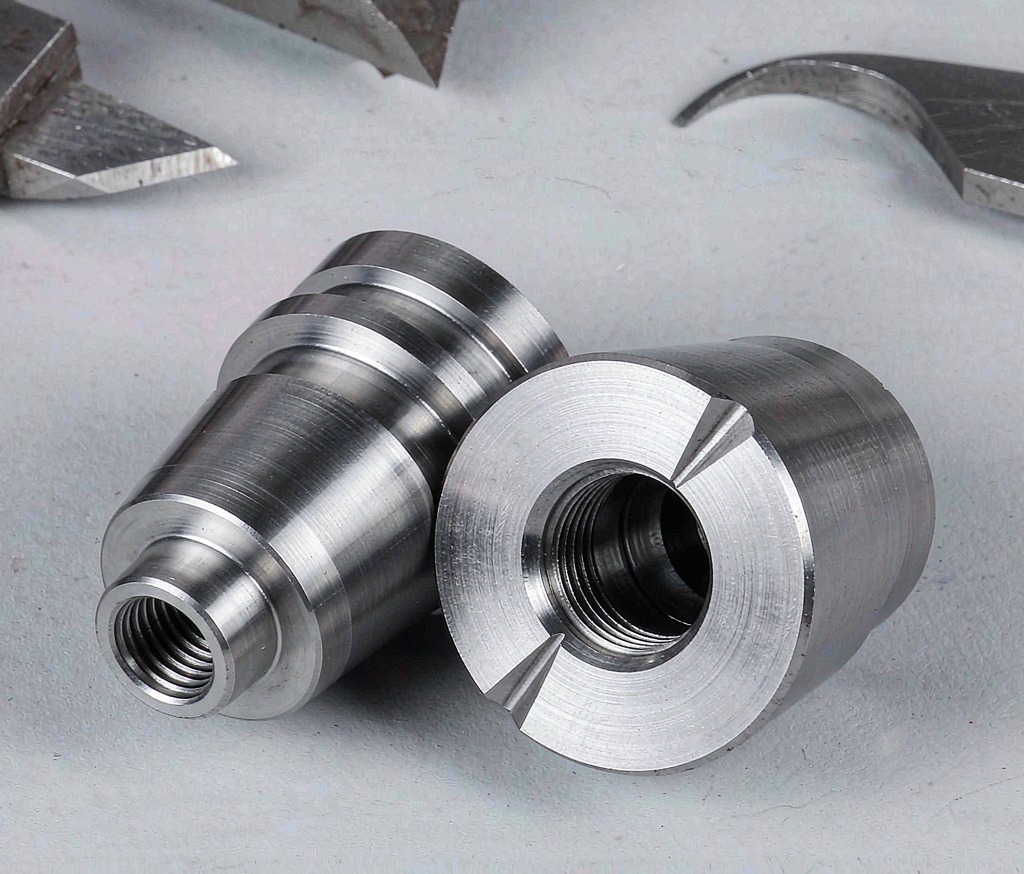
Why Carbon Steel Remains the Default Engineering Metal
Carbon steel earns its position through an unbeatable combination of strength, weldability, and cost. Unlike stainless, it machines quickly and without the severe tool wear seen in high-nickel alloys. Unlike aluminum, it delivers far higher strength at a modest weight penalty.
That balance makes it the first choice for steel machining services across automotive, agricultural, and industrial equipment. When a part must be both tough and economical, carbon steel is usually the answer.
Key Carbon Steel Grades for Machined Parts
Low-carbon steels (such as 1018) are soft, easy to machine, and ideal for welded or lightly loaded parts. Medium-carbon grades (1045) add strength and respond well to heat treatment. High-carbon and alloy steels (4140, 4340) deliver the highest strength for demanding components.
Grade selection should follow function: a bracket may only need 1018, while a tool steel machined insert demands a hardened alloy. Matching grade to duty avoids unnecessary cost and rework.
CNC Turning and Milling of Carbon Steel
Most carbon steel parts begin on CNC turning or CNC milling centers. Turning handles round features – shafts, hubs, and threaded bosses – while milling produces flats, pockets, and holes. For complex single-setup work, 5-axis CNC machining reduces handling and improves accuracy.
Boring operations from CNC boring refine internal diameters to tight tolerances. Carbon steel’s stability makes it forgiving here, but rigidity and sharp tooling remain essential for a clean finish.
Managing Hardness, Warpage, and Heat
Machining generates heat, and carbon steel conducts it into the part. Light passes, coolant, and rigid setups prevent softening at the surface and reduce dimensional drift. After machining, heat treatment can raise hardness exactly where needed.
For parts that must stay flat or round after hardening, leaving stock for a finish surface grinding pass is standard practice. Planning the sequence up front avoids surprises at final inspection.
Finishing and Heat Treatment Options
Beyond hardening, carbon steel accepts painting, plating, black oxide, and powder coating for corrosion and appearance. The finish should be chosen with the operating environment in mind rather than as an afterthought.
Heat treatment also changes machinability: a part annealed before final features is easier to cut than one hardened first. Suppliers experienced in cast iron and steel machining can advise the best sequence for your geometry.
Tolerances and Surface Quality
Standard CNC work on carbon steel typically holds tolerances within a few hundredths of a millimeter, with finer bands possible on ground features. Surface finish depends on tool geometry, speed, and feed rather than the material alone.
Calling out only the tolerances that affect fit – and relaxing the rest – keeps cost down while guaranteeing performance. Over-specifying every dimension is the most common avoidable expense in machining.
Common Applications of Machined Carbon Steel
Machined carbon steel shows up across nearly every industry because it balances cost, strength, and manufacturability better than most alternatives. You will find it in engine brackets, hydraulic manifolds, agricultural linkages, and ground-engaging wear parts where toughness matters more than minimum weight.
Because the same grade welds and machines reliably, engineers can combine fabricated and machined features in one assembly without mixing incompatible materials. This versatility keeps carbon steel at the center of CNC machining services for both one-off prototypes and high-volume production.
Quality Control and Inspection
Good suppliers verify dimensions with CMM, pins, and gauges, and confirm material with mill certificates. Heat-treated parts get hardness checks, and critical features may be 100 percent inspected. Documenting the process supports traceability and repeat orders.
Lead Time and How to Request a Quote
Send a complete drawing with material, finish, quantity, and tolerance callouts. Prototypes can ship quickly; hardened production may need extra days for treatment and ” + plink(“surface-grinding”,”finish grinding”) + “. Stating annual volume lets the shop optimize both price and lead time.
Frequently Asked Questions
Is carbon steel cheaper to machine than stainless?
Generally yes. Carbon steel cuts faster with less tool wear, which lowers cycle time and cost compared with most stainless grades.
Can carbon steel be hardened after machining?
Yes. Parts are often machined soft, then heat treated, with a light grinding pass to restore critical dimensions.
Which grade is best for welded structures?
Low-carbon steels such as 1018 weld easily and are common in frames and brackets where high hardness is not required.
What finish best prevents rust indoors?
Powder coating or zinc plating handles most indoor environments; outdoor or washdown duty may need stainless instead.
How tight can tolerances get on carbon steel?
A few hundredths of a millimeter are routine by CNC, with grinding reaching tighter bands on key surfaces.
Do you machine both prototypes and production?
Yes. The same grade and process scale from single prototypes to recurring production runs.
Ready to Start Your Project?
Get a build-ready quote on your custom metal parts within 24 hours. Share your drawing and our engineers will respond with process, lead time, and pricing.

