
Hardening makes steel hard but brittle; tempering brings back the toughness a real part needs. Steel tempering services reheat a hardened part to a controlled temperature, then cool it to trade a little hardness for ductility and stability. It is the step that turns a cracked-prone part into a dependable one.
This guide explains what tempering does, how it follows hardening, which temperatures suit which jobs, and how to hold dimensions and avoid embrittlement in finished components.
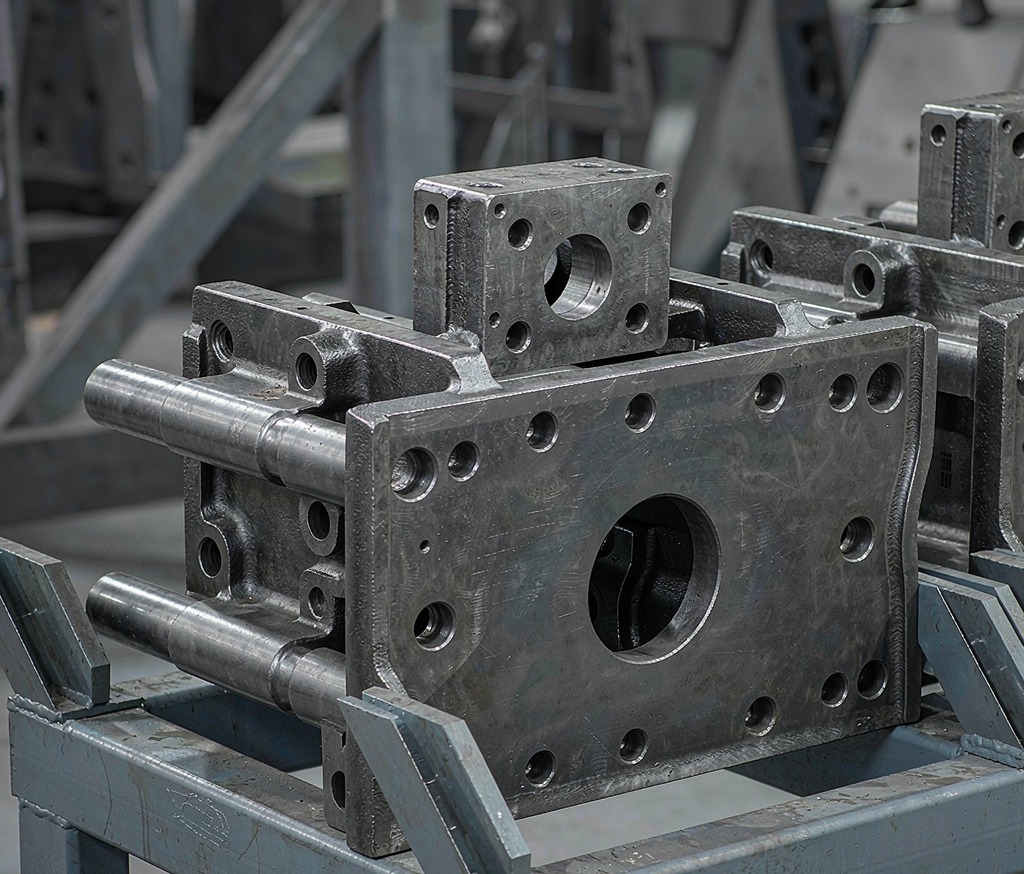
What Tempering Does
After quenching, steel is full of stress and brittle martensite. Tempering relaxes that structure, letting some carbon precipitate as fine carbides. The result is a tougher, more stable part with a controlled balance of hardness and strength.
Tempering is one stage in the wider heat treatment services we provide for engineered components. As a heat treatment operation, it follows hardening and precedes any finish machining.
Tempering After Hardening
The sequence is almost always harden-then-temper. Skipping temper leaves a part that can crack in service; tempering too hot gives up hardness the application needs. The target is found by matching the duty to a temper temperature. Most engineering standards name a minimum tempering temperature for safety-critical parts, so stating it on the drawing removes guesswork at the furnace.
Related steps such as normalizing prepare the grain structure before hardening, while stress relieving targets residual stress without changing hardness much. Both steps are planned with the quench and temper so the part reaches final properties in one controlled route.
Temperature, Color, and Properties
Higher temper temperatures lower hardness and raise toughness; lower temperatures keep hardness but leave the part less ductile. Experienced shops use temper colors and hardness targets together, and specify the exact draw temperature on the traveler.
For age-hardening alloys, age hardening follows a different path but shares the goal of stable final properties. The temper draw is recorded on the traveler so the exact hardness can be reproduced on repeat orders.
Avoiding Temper Embrittlement
Some steels embrittle if held in or slowly cooled through certain temperature bands during tempering. The fix is a controlled soak and quench from the temper, plus alloy selection. Knowing the grade prevents a subtle, dangerous failure mode.
Process planning with annealing and normalizing experience helps avoid overlapping pitfalls across the heat-treat cycle. Reviewing the grade’s known embrittlement range before quoting prevents a costly re-run.
Tolerances and Finish After Temper
Tempering causes little size change, but prior quenching may have warped the part. Leaving stock for a surface grinding or cylindrical grinding pass restores critical dimensions after the final draw. Where a feature needs cutting rather than grinding, a CNC milling or CNC turning pass follows, and centerless grinding handles round stock in one setup.
Planning grind stock up front avoids a scrap part when a flat or round feature must stay tight after heat treatment.
Where Tempering Matters Most
Cutting tools, springs, shafts, gears, and structural brackets all depend on a correct temper. Too hard and they snap; too soft and they wear or deform. The temper is where the part earns its service life.
When hardness must be localized, induction hardening plus a targeted temper delivers a hard case with a tough core. Specifying the case depth and core hardness up front lets the shop set the draw correctly.
Quality Control and Inspection
Tempered parts are confirmed by hardness testing at defined locations, with microstructure checks where the spec demands them. Magnetic or sonic methods can flag improper temper on some grades. The temper temperature and soak are recorded on the traveler for traceability. Hardness is checked at the locations called out on the drawing, not just at one spot.
Lead Time and How to Request a Quote
Provide the grade, hardness target, section size, and any prior heat-treat steps. Stress relieving or normalizing may be planned around the temper so the whole cycle is quoted together. Quantity and furnace load size set lead time. Sharing the annual volume lets the shop batch runs and quote a realistic schedule.
Common Cost Drivers in Steel Tempering
Furnace size, soak time, and the need for controlled cooling dominate cost more than the metal itself. Tight hardness bands across a large section need careful profiling. Stating the actual service hardness – not a generic maximum – prevents over-tempering and rework. Planning the temper with the hardening step also avoids a second furnace load. A documented temper chart also speeds first-article approval on regulated programs and keeps repeat orders predictable from batch to batch.
Frequently Asked Questions
What does tempering do to hardened steel?
It reduces brittleness and internal stress, trading some hardness for toughness and stability.
Can tempering change dimensions?
Barely, but quenching before it may warp parts, so grind stock is planned for critical features.
What temperature should I specify?
It depends on the grade and duty; higher temper temperatures give more toughness and less hardness.
What is temper embrittlement?
A loss of toughness from certain soak or cooling conditions in some steels, avoided by controlled draw and quench.
Is tempering the same as annealing?
No. Annealing softens fully; tempering only relieves the brittleness of hardened steel.
How is a tempered part verified?
By hardness testing and, where needed, microstructure or magnetic checks against the spec.
Ready to Start Your Project?
Get a build-ready quote on your custom metal parts within 24 hours. Share your drawing and our engineers will respond with process, lead time, and pricing.

