
A36 steel is the ubiquitous structural carbon steel—cheap, weldable, and available everywhere. It is also one of the most machined materials in fabrication, yet its variability and moderate hardness create specific challenges. This guide explains how to machine A36 reliably for plates, brackets, and structural components without surprises in finish or tool life.
What A36 Actually Is
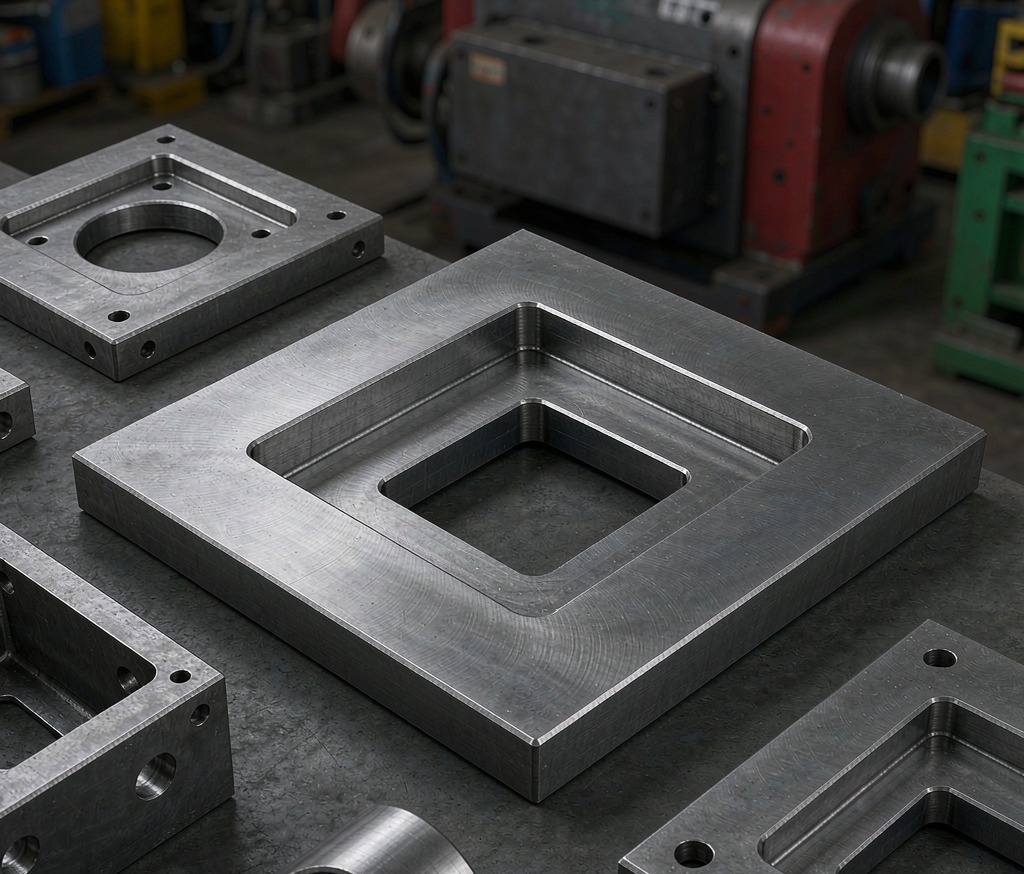
A36 is a mild, low-carbon structural steel specified by yield strength rather than chemistry, which means its composition can vary between heats. That variability affects machinability: some lots cut sweetly, others work-harden at the surface or contain inclusions that chip inserts. Our steel machining services account for this by selecting tooling that tolerates inconsistent stock.
Machinability and Tooling
Because A36 is low carbon and relatively soft, it can smear and build up on the cutting edge rather than shearing cleanly. Coated carbide with a wear-resistant layer and positive geometry handles it well, and flood coolant suppresses the sticky edge. Our CNC milling and CNC turning cells use sharp inserts and proper speeds to keep chips flowing and finishes consistent.
Surface Finish and Work Hardening
The main pitfall is light, rubbing cuts that work-harden the skin and destroy tool life. The remedy is to take a decisive depth of cut so the tool bites beneath the hardened layer. After roughing, a surface grinding pass delivers flat, true reference faces for downstream welding or assembly. For a wider scope, our steel fabrication services combine cutting, machining, and finishing.
Heat Treatment and Stress
A36 is supplied as-rolled and is not heat-treatable for hardness, but thermal cutting and welding introduce residual stress that can distort machined features. Planning the sequence—cut, stress-relieve if needed, then machine—protects flatness. When hardening or stress relief is required, our heat treatment services stabilize parts before final machining.
Welding and Fabrication Fit
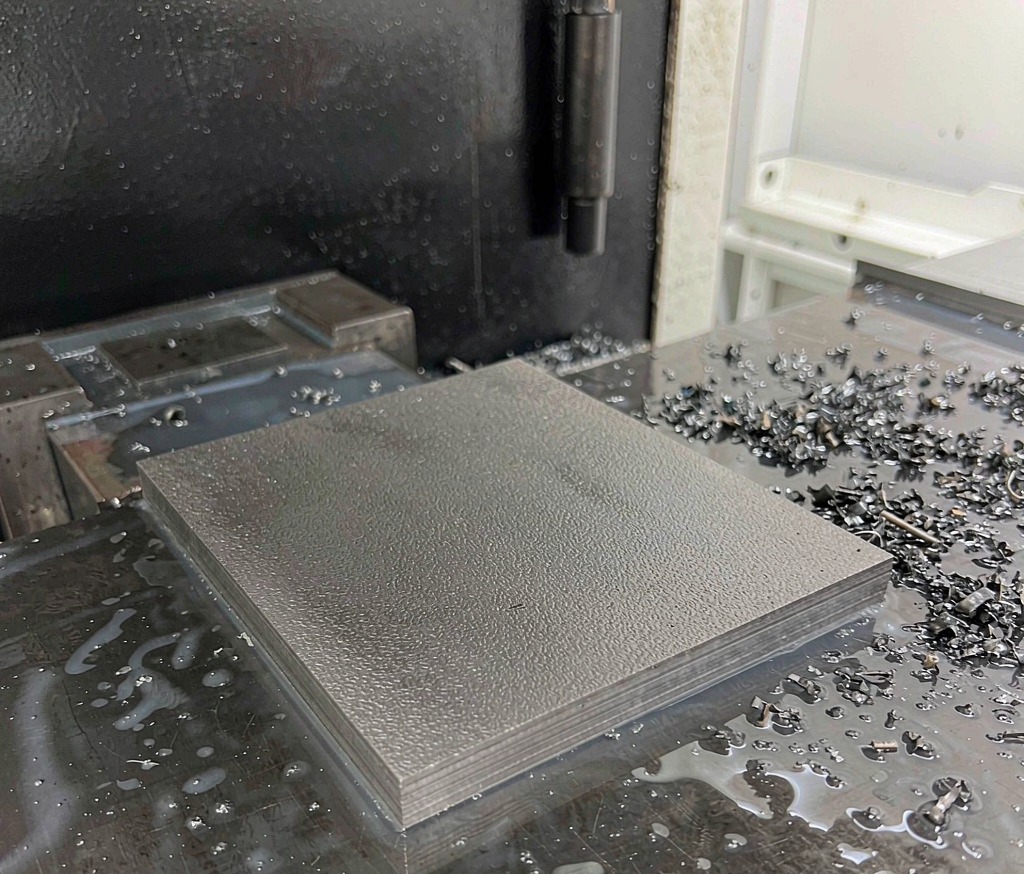
A36’s claim to fame is weldability, so most machined A36 parts end up in welded assemblies. Pre-machine allowance for weld shrinkage and plan datum faces that survive the weld sequence. Our sheet metal laser cutting prepares blanks accurately before machining, reducing setup and scrap on structural jobs.
Cost and Sourcing
A36’s low price and universal availability make it the default for non-critical structural parts. The cost risk is in inconsistent machinability and distortion, not material price. Specifying a known stock grade or requesting a machinability-friendly supply can steady your process and protect cycle time.
When to Choose a Different Steel
If you need tighter chemistry control, better machinability, or hardenability, 1018, 1045, or a free-machining grade may serve better. A36 wins on cost and weldability; it is not the choice for precision hardened components. We help weigh these trade-offs during quoting.
Frequently Asked Questions
Is A36 easy to machine?
Moderately. It is soft but can smear and work-harden at the surface; sharp tools, decisive cuts, and coolant keep it predictable.
Why does my A36 finish look rough?
Likely rubbing or built-up edge from dull tooling or light passes. Increase depth of cut and use coated carbide to shear cleanly.
Can A36 be hardened?
Not by heat treatment for hardness—it is a structural yield-spec steel. Use case hardening or choose a different grade if hardness is required.
Machine A36 With the Right Plan
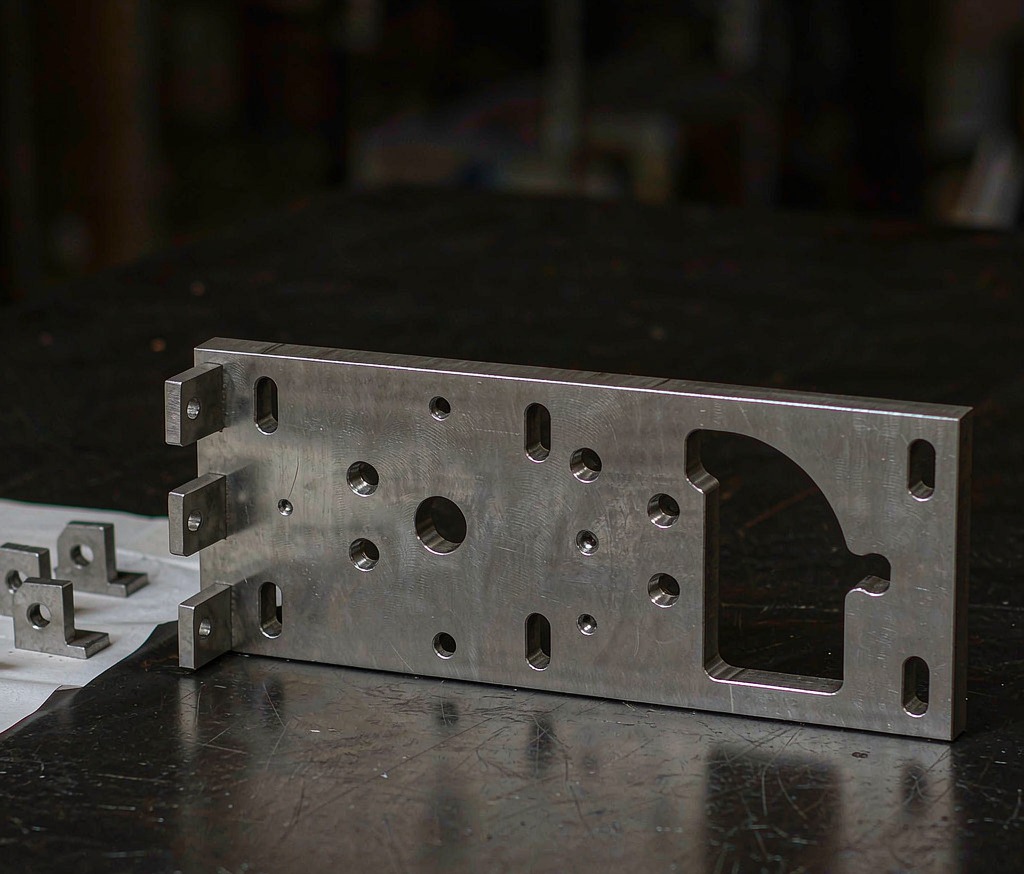
Share your A36 drawings and we will set tooling, cut strategy, and any stress-relief steps so machined parts stay flat, clean, and on schedule.
Ready to Start Your Project?
Get a build-ready quote on your custom metal parts within 24 hours. Share your drawing and our engineers will respond with process, lead time, and pricing.

