
Grade 2 titanium is the most widely used commercially pure (CP) grade, and grade 2 titanium machining is the standard route for medical, marine, and chemical components that must survive the harshest corrosive environments. It offers an outstanding strength-to-weight ratio, complete corrosion resistance to seawater and most chemicals, and full biocompatibility. In this guide we cover the tooling and cooling strategy that tame titanium, the tolerances achievable, and where grade 2 beats the alloys. For the full picture, see our titanium machining services page.
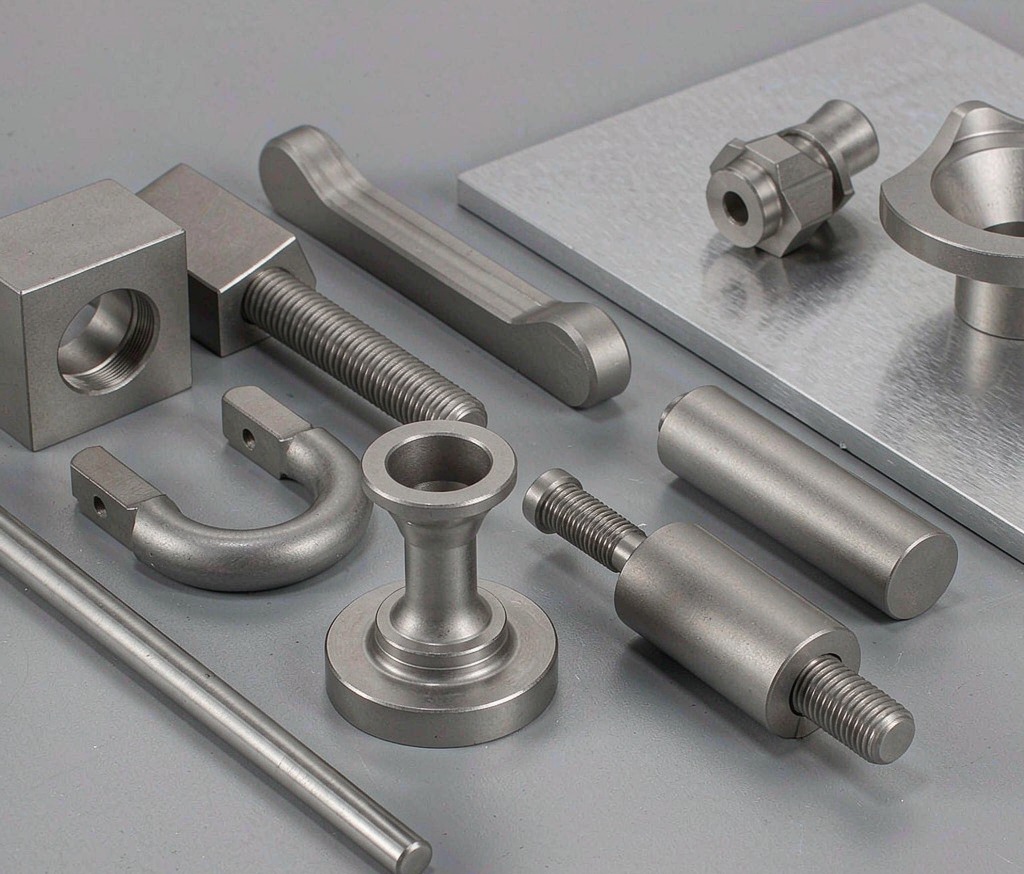
What Is Grade 2 Titanium
Grade 2 is unalloyed CP titanium with about 99% titanium and small amounts of oxygen and iron that set its strength. It is the “workhorse” CP grade—stronger than grade 1, more formable than grade 3—and it is broadly corrosion resistant and biocompatible. From orthopedic implants to seawater valves, grade 2 delivers decades of service where stainless would fail. When the environment is unforgiving and weight matters, grade 2 is the safe, proven choice.
Why CP Titanium for Corrosion Service
Grade 2 forms a tenacious oxide layer that resists seawater, chlorides, and most acids and alkalis, so it outlasts stainless by orders of magnitude in marine and chemical service. Our titanium CNC machining guide shows how we hold tight tolerances on this reactive metal. Unlike stainless, grade 2 will not pit or crevice-corrode in chloride environments, which is why it anchors offshore and desalination hardware.
Machining Strategy and Coolant
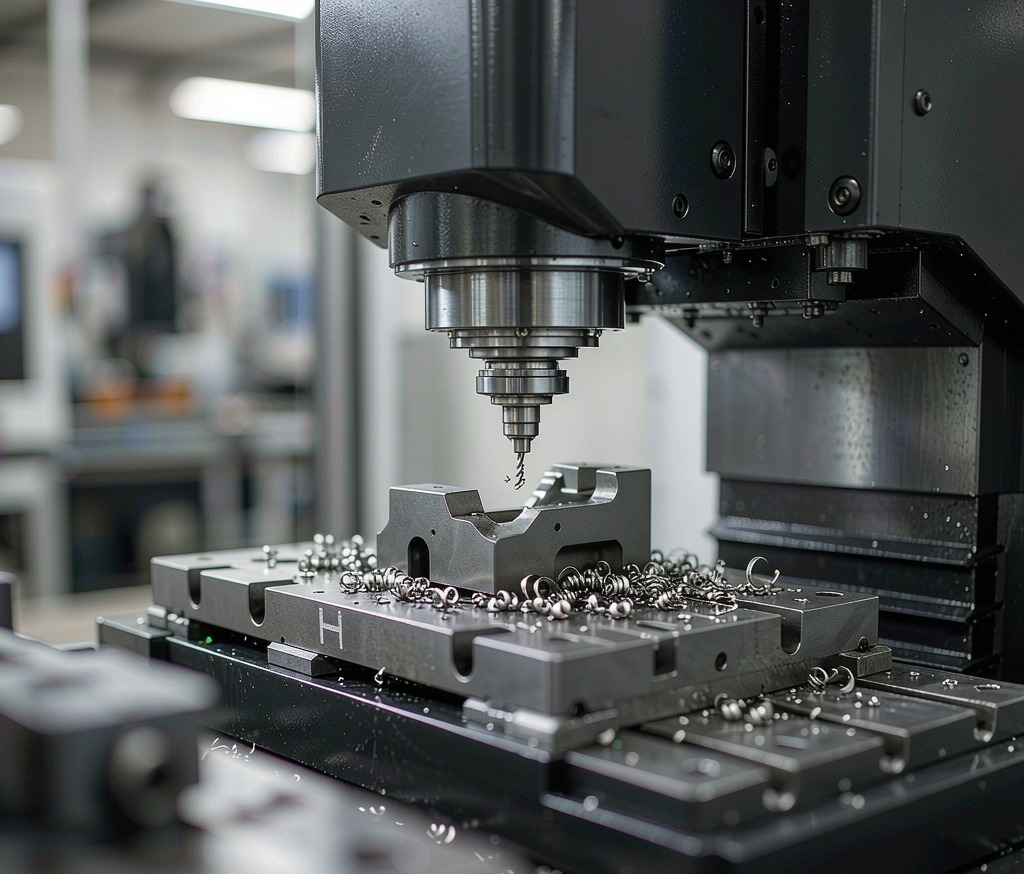
Titanium work-hardens and holds heat, so the rules are sharp tools, moderate speeds, high feed, and copious coolant. CNC milling and CNC turning with carbide or coated tools remove stock efficiently when the chip load stays positive. 5-axis CNC machining reduces setups on complex medical and aerospace forms. Flood coolant and rigid workholding are non-negotiable to avoid work hardening and heat build-up.
Tolerances and Surface Finish
Grade 2 holds tight tolerances and a clean machined finish with the right process. Surface grinding refines sealing faces, and sharp tooling prevents the smeared surface that traps contaminants. Because titanium is gummy, light finishing passes keep the surface true and ready for passivation or anodizing.
Passivation and Cleaning
Although grade 2 is already corrosion resistant, a passivation or acid pickling step removes surface contamination and freshens the oxide layer, which is especially important for medical and food contact. Clean, contaminant-free surfaces are what give titanium its legendary inertness in the body and in process fluids.
Medical, Marine, and Chemical Uses
Grade 2 is found in orthopedic and dental implants, marine hardware, heat exchangers, and chemical-process components. Its biocompatibility and corrosion immunity are unmatched for these roles. Our material selection guide helps you decide when titanium is worth the premium over stainless.
Grade 2 vs Grade 5
Grade 5 (Ti-6Al-4V) is stronger and used for high-load aerospace parts, but it is harder to machine and less formable. Grade 2 is the better choice for corrosion-critical, formable, or biocompatible components where ultimate strength is not the limiting factor. Pick grade 2 for corrosion and compatibility; grade 5 for strength.
Quality and Inspection
Grade 2 titanium is verified with material certification, first-article dimensional checks, and surface inspection for contamination or smearing. Because titanium is reactive, we confirm the oxide layer is intact after passivation and that no embedded tool particles remain. For medical or chemical service, full traceability and cleaning records are provided on request so the part clears your incoming quality gate first time.
Lead Times and Volume
Titanium stock is less ubiquitous than aluminum or steel, so lead time depends on bar or plate availability and the machining queue. Prototypes ship in days from stock; production pricing improves with batch size as fixturing amortizes. Sharing forecast volume helps us secure material and schedule the coolant-intensive machining cells, which keeps both price and lead time under control.
RFQ Tips for Grade 2 Titanium
Titanium rewards preparation because the material and machining are both premium. Send a clean model with tolerances, and flag any surface that contacts the body or a corrosive fluid so we treat it accordingly. Request passivation and cleaning explicitly if the part is medical or chemical, and note the documentation you need for traceability. Because titanium holds heat, tell us the feature sizes that limit cutting so we can choose tooling that avoids work hardening. State quantity and forecast so we can secure bar stock and schedule the coolant-intensive cells. A complete grade 2 RFQ lets us quote a realistic price and lead time and deliver a part that clears your quality gate first time rather than after a rejection loop.
Grade 2 vs Grades 1, 3, and 5
The CP titanium family runs from grade 1, the softest and most formable, through grade 2, the balanced workhorse, to grade 3, stronger but less ductile. Grade 2 is the default because it offers the best combination of formability, strength, and corrosion resistance for most parts. Grade 1 suits severe forming, grade 3 suits higher strength with less forming. Grade 5 (Ti-6Al-4V) is the alloyed, much stronger option for aerospace load paths but is harder to machine and less formable. When corrosion resistance, biocompatibility, or weight is the priority and ultimate strength is not the limiter, grade 2 is the proven, cost-effective choice. Our titanium CNC machining guide details the cutting strategy we use.
Frequently Asked Questions
Is grade 2 titanium biocompatible?
Yes, grade 2 is fully biocompatible and is widely used in orthopedic and dental implants with appropriate surface cleaning.
Why is titanium hard to machine?
Titanium work-hardens, conducts heat poorly, and tends to smear, so it needs sharp tools, positive chip load, and strong coolant to machine cleanly.
How corrosion resistant is grade 2?
Exceptionally. It resists seawater, chlorides, and most acids and alkalis, outperforming all stainless grades in those environments.
Grade 2 titanium is the proven choice when corrosion resistance, weight, and biocompatibility cannot be compromised. Send us your drawing and we will machine it to spec with the tooling and cooling strategy titanium demands.
Ready to Start Your Project?
Get a build-ready quote on your custom metal parts within 24 hours. Share your drawing and our engineers will respond with process, lead time, and pricing.

