
Grade 9 titanium, the industry name for Ti-3Al-2.5V, is the workhorse alpha-beta alloy for tubular and lightweight structural parts. It offers roughly 20 to 50 percent higher strength than Grade 2 at only slightly more weight, which is why it dominates aircraft hydraulic lines, marine rigging, and high-end bicycle frames. This guide covers the practical side of Grade 9 titanium machining for buyers who need strong, light, corrosion-proof components.
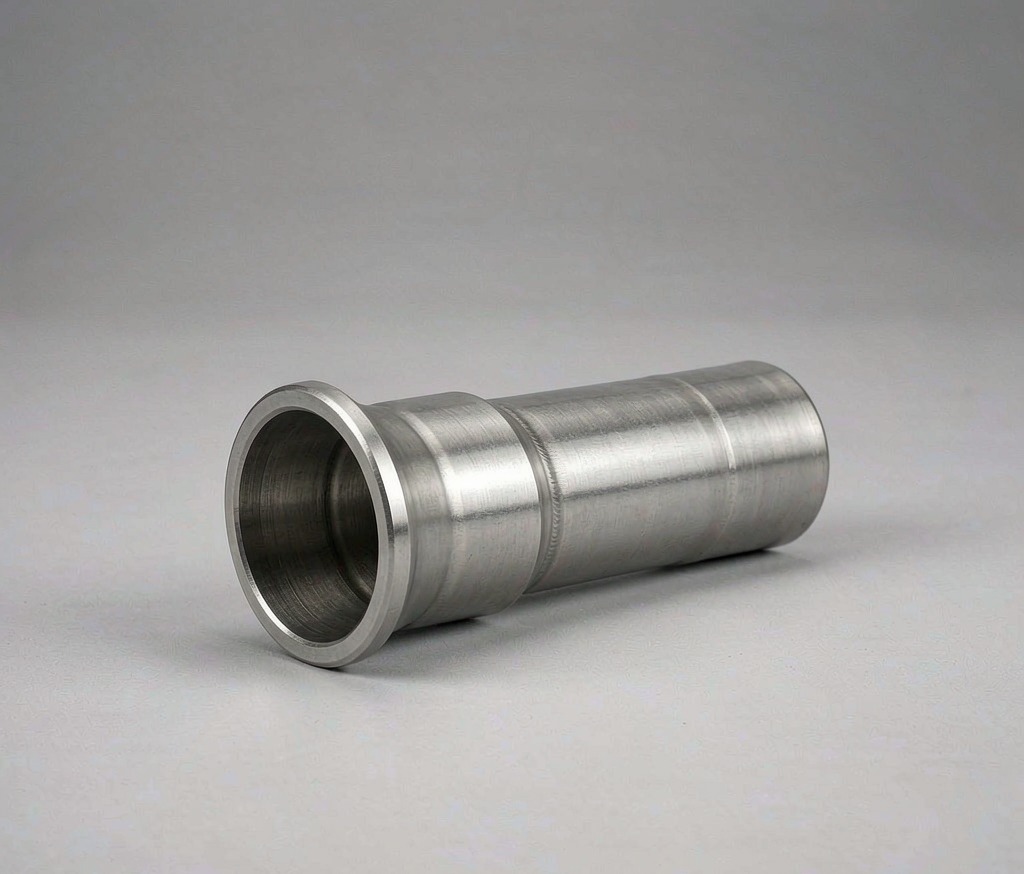
Grade 9 Titanium Properties
Ti-3Al-2.5V keeps useful strength to moderate temperatures and shrugs off seawater and most chemicals. Like all titanium it has low thermal conductivity, so heat stays at the cut and work-hardens the surface if the tool rubs. Shops run it on rigid CNC milling and CNC turning centers with sharp carbide and copious coolant to keep the edge cutting, not rubbing.
Machining Ti-3Al-2.5V
Lower surface speeds than steel, positive rake, and a steady depth of cut are the rule. Climb milling and through-tool coolant reduce heat and built-up edge. Thin-wall tubing and contoured frames are ideal for 5-axis CNC machining, which holds geometry in one setup. After machining, anodizing adds color and mild wear resistance, while passivation restores the oxide layer for corrosion protection.
Tolerances and Anodizing
Commercial tolerance is ISO 2768-m, with tube IDs and bonding faces held tighter by agreement. Anodizing is largely decorative and protective for Grade 9; specify the coating class if appearance or dielectric needs matter. Avoid chlorine-based coolants, which can embrittle titanium.
Aerospace and Marine Uses
Grade 9 is everywhere there is a weight penalty: hydraulic and instrumentation tubing, marine shafts and fittings, sporting components, and orthotic hardware. Our main titanium machining services“>titanium machining services guide and the notes on titanium CNC machining“>titanium CNC machining explain how Grade 9 compares with Grade 5 and Grade 23 for different duties.
Design for Manufacturability Tips
Titanium rewards conservative design. Keep wall thickness uniform to avoid heat soak and warpage, avoid sharp internal corners that trap stress and tool rub, and call out only the tolerances that are functionally necessary. A good supplier will run a DFM pass and suggest radii or stock adjustments that cut cycle time without changing performance.
FAQ
Grade 9 vs Grade 5 titanium: which to choose?
Grade 5 (Ti-6Al-4V) is stronger and more common for structural parts; Grade 9 is preferred for tubing and where formability and light weight win. Match the grade to the load.
Is Grade 9 weldable?
Yes, with matching Ti-3Al-2.5V filler under proper inert gas shielding. Contamination during welding is the main failure mode to avoid.
Can it be used in seawater?
Excellent. Ti-3Al-2.5V is a standard marine alloy; our coverage of Inconel machining“>Inconel machining shows where a nickel alloy might be chosen instead for higher temperature.
Sourcing Tips
Send the model, the load case, and any anodize or certification needs. A supplier that discusses coolant chemistry and inert-gas handling is protecting your part; titanium is unforgiving of sloppy process control.
Inspection and Acceptance
For Grade 9, confirm the alloy with PMI and check critical tube IDs or bonding faces against the agreed tolerance. Anodize class should be on the drawing if appearance matters, and a hardness or chemistry check should back the certificate you receive.
Common Pitfalls to Avoid
Two errors recur: using chlorine coolants that embrittle titanium, and over-tightening tolerances that add cost with no function. Both are avoidable with a DFM review and a coolant-spec note on the purchase order. Titanium is forgiving of good process control and unforgiving of sloppy shortcuts, so write the requirements down rather than assuming.
Working With a Machining Partner
Send the load case, the wall thickness, and any anodize or certification needs together. Honest detail up front prevents scrap and rework, and it lets the shop choose the right stock form and sequence. A supplier that discusses coolant chemistry and inert-gas handling is protecting your part, not padding the quote, and that protection is exactly what light, strong, corrosion-proof parts require.
First Articles and Production Ramp
Qualify a first-article with PMI and a dimensional report before volume. Titanium is consistent once the process is set, so the ramp is quick and reorders are stable. Lock the coolant spec and the anodize class in the route so every batch matches the approved sample.
Total Cost of Ownership
Grade 9 costs more than steel or aluminum but delivers weight savings that lower shipping, fuel, or structural cost downstream. For weight-sensitive products, that saving usually outweighs the material premium, so judge the quote against the system, not the part alone.
Quick Sourcing Checklist
Before you send the PO, confirm four things: the alloy is verified by PMI, the anodize class is on the drawing if needed, critical tubes or faces carry the right tolerance, and the coolant spec excludes chlorine. With those set, a titanium-capable shop returns light, strong, corrosion-proof parts that fit and last.
Final Note
If weight is less critical than cost, Grade 2 titanium or aluminum may serve; if you need maximum strength, discuss Grade 5 with the shop. Matching the exact titanium grade to the load is the simplest way to control cost while keeping the light, corrosion-proof result you specified. A short DFM call before release usually finds tolerance and wall-thickness savings that pay back across the whole production run.
Ready to Start Your Project?
Get a build-ready quote on your custom metal parts within 24 hours. Share your drawing and our engineers will respond with process, lead time, and pricing.

