
8620 is a nickel-chromium-molybdenum carburizing steel chosen when a part needs a hard, wear-resistant surface over a tough, shock-resistant core. That profile makes 8620 steel machining the natural choice for gears, sprockets, drive shafts, and bearing races that see both load and impact. This guide explains how to machine 8620 and how to plan the carburizing that unlocks its performance.
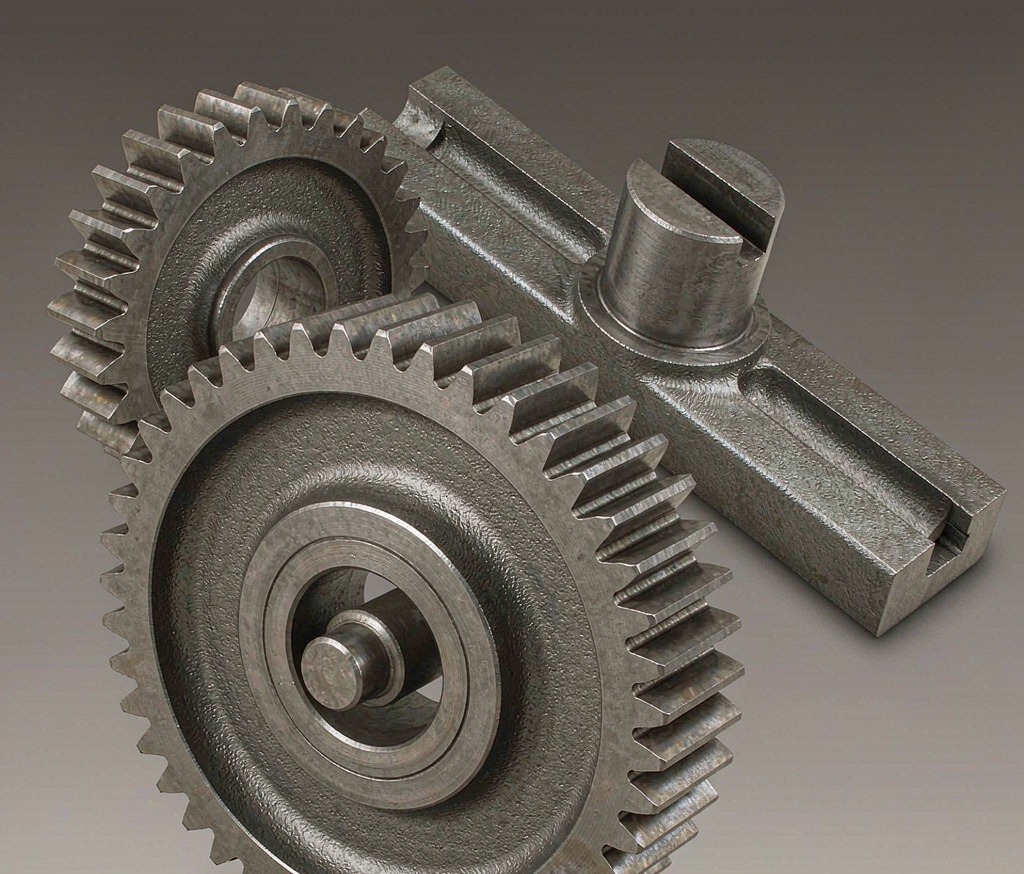
What 8620 Steel Is
8620 is a low-carbon alloy (about 0.20% C) with nickel for toughness and chromium-molybdenum for hardenability. As-machined it is soft and easy to cut; its value appears after carburizing, when a thin high-carbon case is hardened to a wear surface while the core stays ductile. We rough and finish 8620 on CNC milling and CNC turning cells, leaving stock for the distortion that heat treatment introduces.
Machining 8620 Steel
In the soft condition 8620 machines much like other low-carbon alloys: sharp carbide, steady feeds, and coolant to control stringy chips. The real discipline is leaving the right grind or hone stock and avoiding thin sections that distort during carburizing. CNC drilling and tapping are done before heat treat so holes stay machinable. Our carbon steel machining services cover the pre-heat-treat workflow.
Carburizing and Heat Treatment
After machining we coordinate heat treatment: carburize to build a high-carbon case, then quench and temper for a hard surface (often HRC 58 to 62) over a tough core. This is what lets a gear resist wear while surviving shock loads. Post-heat-treat, surface grinding restores bore and face tolerances that moved during quenching. Our CNC machining services integrate this finish-grind step.
Tolerances and Finishes
Plan for two tolerance bands: the as-machined band before heat treat and the final ground band after. For corrosion resistance on non-case areas, black oxide is a common low-cost finish. The steel machining services hub explains how we hold geometry through the full sequence.
Typical 8620 Applications
Gears and sprockets, drive shafts, bearing races, bushings, and transmission components where surface hardness and core toughness both matter. It is a staple in automotive differentials, power tools, and industrial drivetrains. For comparison with through-hardening grades, see our 4140 and 4340 coverage in the steel machining library.
Design Tips for 8620 Parts
Design 8620 gears and shafts with heat-treat distortion in mind: keep sections uniform to avoid warpage, and leave grind stock on bores and faces that must be precise after carburizing. Call out case depth and surface hardness clearly, and avoid sharp corners that become stress risers after quench. If a feature cannot be ground post-treat, machine it before heat treat and accept the slight movement. Good drawings specify both the as-machined and final-ground tolerances so the shop plans stock and sequences correctly.
For high-load drivetrain parts, pair 8620 with a finishing operation such as surface grinding on the bores and a black-oxide or plated coat on non-case areas for corrosion control. Telling the supplier the operating load and lubrication environment up front helps them recommend the right case depth, so the gear resists wear without becoming brittle at the core where impact toughness still matters most.
FAQ
Why carburize 8620 instead of using a hardenable steel?
Carburizing gives a hard wear case with a tough core, so the part resists both wear and impact better than a uniformly hard part.
Does 8620 distort in heat treatment?
Yes, which is why we leave grind stock and finish-grind after quenching to hit final tolerances.
Can 8620 be plated?
Yes, black oxide or plating is common on non-case surfaces for corrosion control.
How to Source 8620 Machined Parts
Include the case depth and surface hardness you need, the core toughness requirement, and the final ground tolerances. With those defined, we machine, carburize, and grind to a finished drivetrain-ready part.
Ready to Start Your Project?
Get a build-ready quote on your custom metal parts within 24 hours. Share your drawing and our engineers will respond with process, lead time, and pricing.

