
One of the most common engineering decisions is also one of the most consequential: aluminum vs steel for a CNC-machined part. The choice drives weight, cost, lead time, and how the part finishes. This guide compares aluminum vs steel CNC machining on the factors that actually move the needle, so you can specify with confidence.
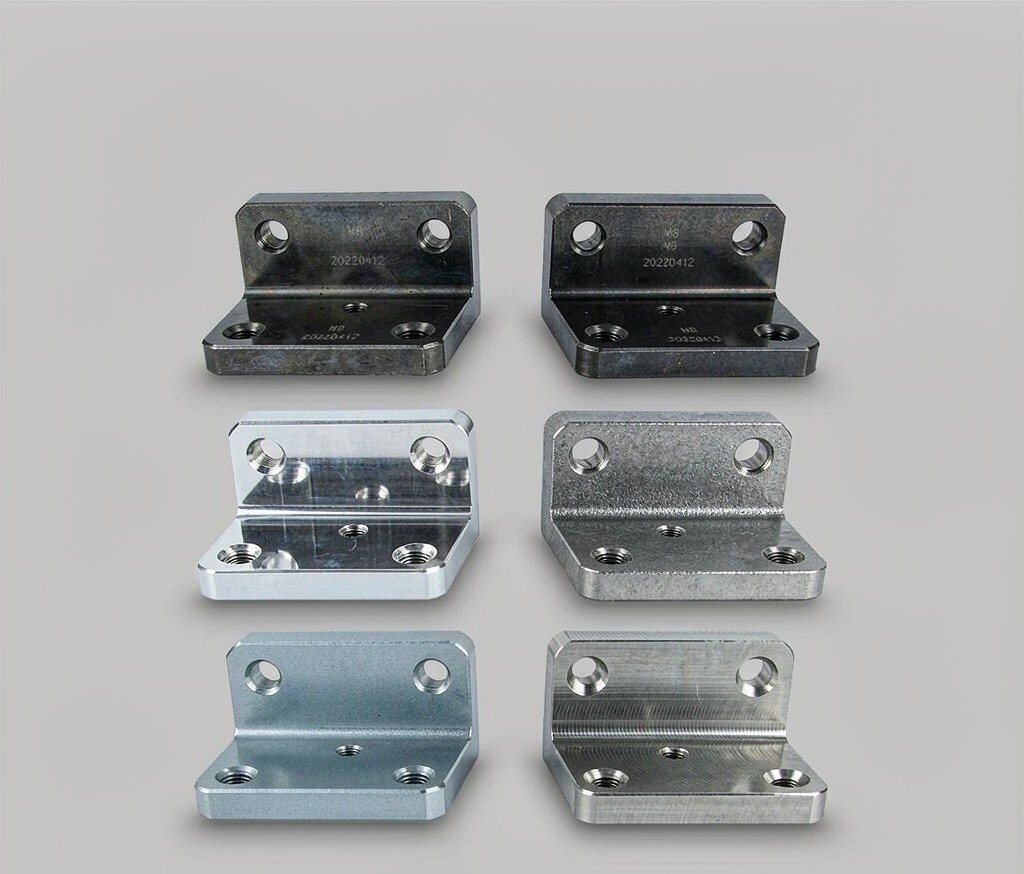
Weight and Strength
Aluminum weighs about one-third of steel, so when mass matters, it wins by a wide margin. Steel wins on absolute strength and stiffness per dollar, which is why structural and load-bearing parts lean steel. Both cut cleanly on CNC milling and CNC turning; the difference is how much material you remove and how the part must perform. Our aluminum CNC machining guide covers the lightweight side in detail.
Machinability and Speed
Aluminum machines faster, at higher spindle speeds, with longer tool life and shorter cycle times. Steel needs more power, slower speeds, and more robust tooling, especially in alloy and hardened grades. For complex parts, 5-axis CNC machining handles either metal, but aluminum’s speed usually makes prototypes and volume runs cheaper. The trade-offs on the steel side are spelled out in our steel machining services overview.
The Cost Picture
Raw aluminum can cost more per kilo than mild steel, but you remove far less of it and machine it faster, so finished-part cost often favors aluminum for light, complex shapes. Steel wins for simple, strong, high-volume parts where material is cheap and machining is minimal. The full math is in our CNC machining cost guide.
Finishing Options
Aluminum anodizes for a hard, corrosion-resistant, colorful finish via our anodizing line. Steel is usually plated or coated; zinc plating and black oxide are common, and heat treatment adds strength that aluminum cannot match.
How to Decide
Pick aluminum when weight, speed, corrosion resistance, and a bright finish lead. Pick steel when strength, stiffness, wear, high temperature, or lowest raw cost lead. Many programs use both: aluminum prototypes, steel production, or aluminum brackets with steel inserts.
Design Tips for Material Choice
When you brief your shop, share the load case, weight target, and environment rather than a fixed grade, and ask for both aluminum and steel quotes on critical parts. Watch wall thickness: aluminum needs thicker walls than steel for the same stiffness, while steel can be thinner and still rigid. Confirm the finish early, since anodize and plating change final dimensions. A short design review up front avoids choosing a material that costs more or performs worse than needed for the actual service.
If the part is a prototype that may become production, machine the prototype in the production material so the test reflects reality; switching metals later can change wall thickness, tolerances, and even fastener sizes. For mixed designs, consider aluminum bodies with steel inserts at high-load points. A supplier that questions the material choice usually saves more than the difference in raw stock across the program lifetime.
Finally, treat the decision as a system, not a single property: the cheapest part is the one that meets the spec with the least material removed and the fewest operations. A shop that sees your full assembly can often suggest a hybrid or a different process, such as casting or fabrication, that beats both milled aluminum and milled steel on price.
FAQ
Is aluminum cheaper than steel to machine?
Often yes for complex light parts, because cycles are faster and tool life is longer, even if stock costs more.
Which is stronger?
Steel, especially alloy and heat-treated grades, beats aluminum on strength and stiffness per unit cost.
Can I switch material later?
Usually, with a redesign check on wall thickness and tolerances, since the two metals behave differently.
How to Source the Right Material
Share the function, load, weight target, and environment with your shop. A good supplier will recommend aluminum or steel and the exact grade, then quote both so you can compare.
Ready to Start Your Project?
Get a build-ready quote on your custom metal parts within 24 hours. Share your drawing and our engineers will respond with process, lead time, and pricing.

