
Solar is now the cheapest electricity in history, and behind every panel array is a web of metal hardware—rails, clamps, brackets, and splices—that must hold the system secure for twenty-five years in sun, rain, and salt. These parts are high-volume, cost-sensitive, and unforgiving on corrosion. Manufacturing them well means lightweight aluminum extrusions, precise forming, and finishes that survive decades outdoors. This guide covers the hardware and the process chain that delivers it.
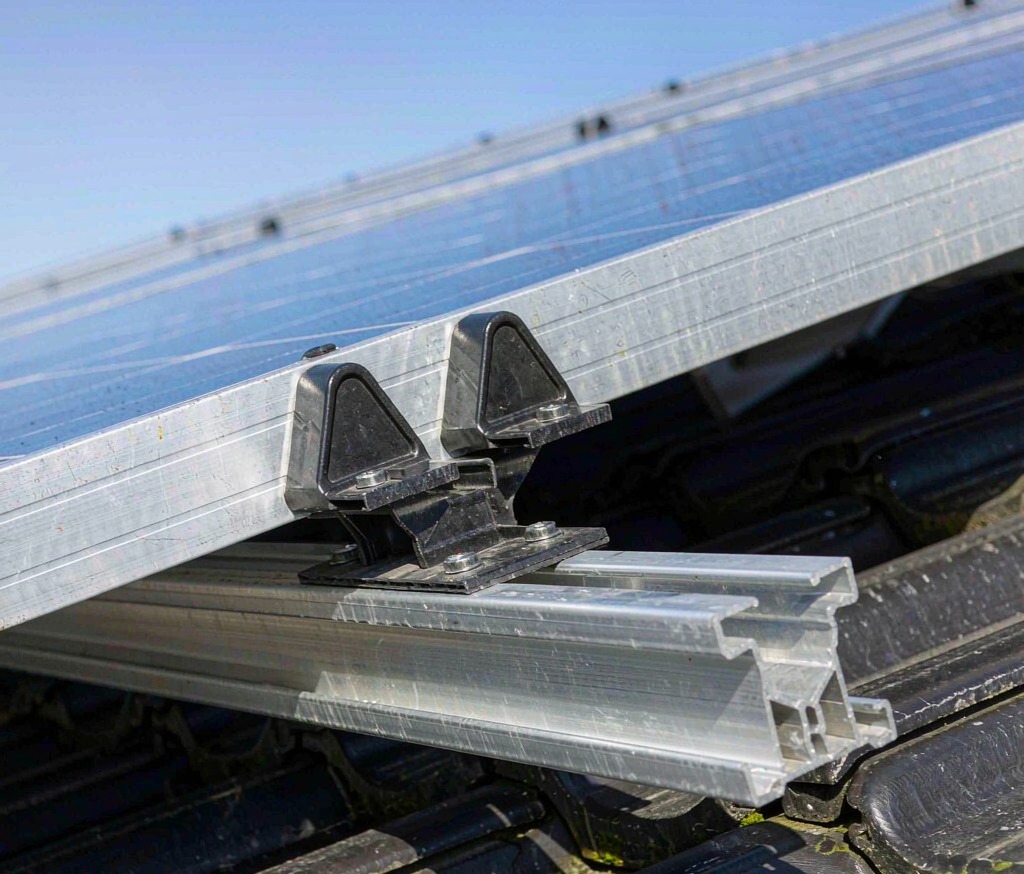
Types of Solar Mounting Hardware
A typical racking system combines longitudinal rails, mid and end clamps that grip the panel frame, L-feet and brackets that fix rails to the roof or ground screw, and splices that join rail lengths. Each part is a small stamped or extruded component produced by the tens of thousands. Our aluminum extrusion capability produces the rails and structural members, while CNC bending forms the brackets and L-feet that anchor the array.
Aluminum Rail Extrusion
Rails are the backbone of the array, and extrusion delivers long, constant-cross-section profiles with integrated click channels for clamps and splices. The right alloy and temper balance strength against weight and cost. Extrusion also lets you embed features—wire management, mounting slots—directly into the profile instead of machining them later.
Clamps, Brackets, and Splices
Clamps must grip without cracking the panel frame; brackets must resist loosening under thermal cycling. These are usually stamped or bent sheet parts finished for weather resistance. Our CNC punching and sheet metal laser cutting services produce the flat blanks that become these fittings with consistent hole patterns and edges.
Corrosion-Resistant Finishes
Mounting hardware lives outdoors for decades, so finish is a lifespan decision. Anodizing gives aluminum a hard, corrosion-resistant oxide layer; powder coating adds a durable, chipping-resistant film for steel parts. Specifying the right finish and salt-spray rating up front prevents the rust streaks that shorten an array’s life.
Ground vs Roof Mount Differences
Ground mounts use heavier rails and pile-driven posts; roof mounts use lighter, ballast- or penetration-based brackets that protect the membrane. Material and finish choices shift with the environment—coastal sites demand higher corrosion ratings. Our related guide on custom metal brackets covers bracket design for structural and mounting applications.
FAQ
Q: Aluminum or steel for solar racking?
A: Aluminum dominates for corrosion resistance and weight; galvanized or coated steel is used where cost and load dominate, especially in ground mounts.
Q: How long must mounting hardware last?
A: It should match the panel warranty—typically 20–25 years—so finish and alloy selection are lifespan-critical, not cosmetic.
Q: Can one supplier make rails and clamps together?
A: Yes—producing extrusions and stamped fittings in one supply chain improves fit, lead time, and cost.
Sourcing Mounting Parts
Reliable solar mounting metal parts combine lightweight extrusion, precise forming, and weather-proof finishing at volume. Our team extrudes rails, forms brackets and clamps, and applies corrosion-resistant finishes with consistent quality. Share your drawings and we will return a build-ready quote with process, lead time, and pricing.
Ready to Start Your Project?
Get a build-ready quote on your custom metal parts within 24 hours. Share your drawing and our engineers will respond with process, lead time, and pricing.

