
Rust is the quiet killer of metal parts: it starts in storage, accelerates in transit, and shows up as rejected shipments and angry customers. The good news is that corrosion is predictable and preventable. This guide compares the coatings that stop rust and the storage habits that keep parts clean from our dock to yours.
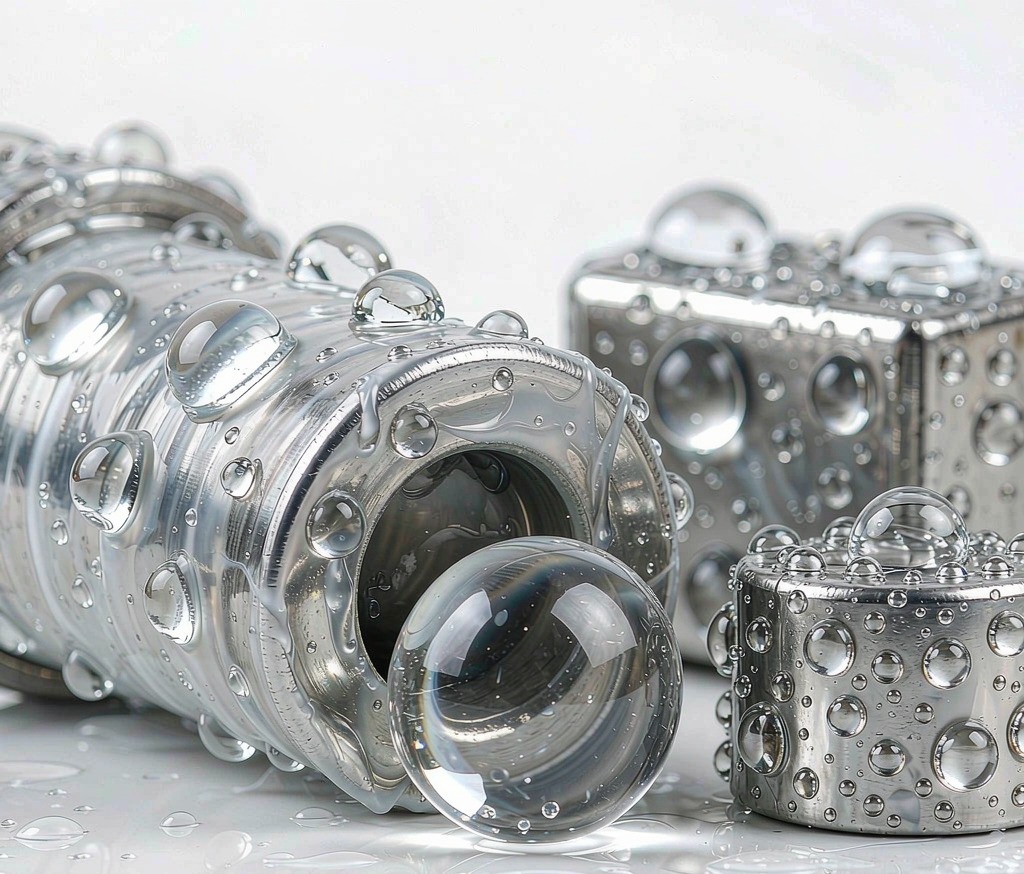
Why Metal Parts Rust and What It Costs
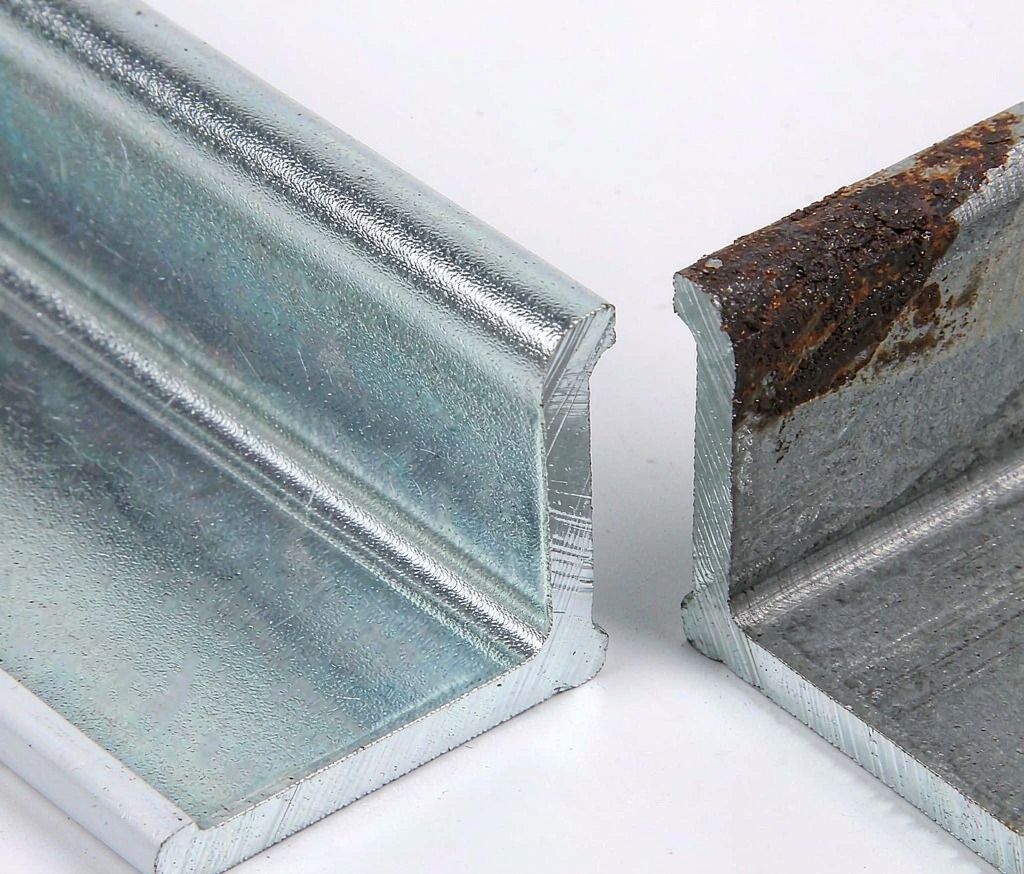
Steel and iron oxidize when exposed to moisture and oxygen, and salt or pollutants accelerate it. Beyond cosmetics, corrosion attacks tolerances, threads, and bearing surfaces, so a rusty part is often a scrap part. Even stainless can pit in aggressive environments. Preventing it at the finish stage, with processes like zinc plating, is far cheaper than sorting a corroded shipment. A single corroded batch can erase the entire margin on an order and damage a relationship that took years to build.
Zinc Plating vs Galvanizing
Both use zinc’s sacrificial protection. Zinc plating is an electroplated thin layer ideal for fasteners, brackets, and tight-tolerance parts because it adds almost no thickness. Galvanizing is a thicker hot-dip coating built for structural steel and outdoor exposure. For precision components, plating wins; for beams and frames, galvanizing wins.
Anodizing and Passivation for Corrosion
On aluminum, anodizing grows a hard oxide layer that resists corrosion and accepts dyes. On stainless, passivation removes free iron from the surface to restore the passive chromium layer. Neither adds much thickness, so both preserve fit while improving durability. Our anodizing services and zinc plating services cover most corrosion specs.
Powder Coating as a Barrier
Powder coating is a thick polymer barrier that seals the entire surface from moisture. It suits enclosures, housings, and anything handled or exposed, and it offers color and abrasion resistance on top of corrosion protection. Where threads or mating faces must stay bare, mask them before coating.
Reading a Corrosion Specification
Corrosion specs are written in numbers, and knowing them prevents over- or under-protecting a part. Salt spray hours (per ASTM B117 or ISO 9227) are the common benchmark, with decorative zinc plating often specified at 48 to 96 hours and thicker systems reaching hundreds. For marine or chemical duty, the standard is far stricter, sometimes combined with sealants or duplex systems. Anodize is rated by coating thickness (Type II decorative versus Type III hard), which also drives wear resistance. The trick is to match the test to the environment rather than asking for the maximum everywhere, because every extra hour of protection adds cost. Tell your supplier the duty cycle, exposure, and expected life, and they can propose the thinnest coating that meets it, keeping cost and tolerance intact.
Recoating and Repair in the Field
Even the best coating has a service life, so plan for maintenance rather than treating protection as permanent. Zinc-plated parts can be re-plated or touched up with cold galvanizing compound, though cosmetic match is imperfect. Powder-coated surfaces can be spot-repaired with compatible paint if the substrate is clean and dry. Anodize is harder to repair invisibly, so for aerospace or medical parts the usual answer is replacement of the affected component. The smartest approach is preventive: specify the right coating for the duty cycle, pack for the transit risk, and keep a corrosion spec on file so reorders match the original. A supplier who records the exact finish and thickness against your part number makes reorder and field repair far simpler years later.
Storage and Packaging That Prevent Rust
Coating is only half the story. Keep parts dry and ventilated, use VCI (vapor corrosion inhibitor) paper or bags for sensitive lots, avoid cardboard that traps moisture against steel, and desiccate sealed cartons for sea freight. Our galvanizing services team specs packaging to match the transit risk, because a perfect finish can still rust in a wet container.
Frequently Asked Questions
Which coating is best for outdoor steel?
For structural steel, hot-dip galvanizing. For precision parts and fasteners, zinc plating with a sealant. For aluminum, anodizing.
Does anodizing stop aluminum from corroding?
Yes. Anodizing forms a dense oxide layer that protects the substrate and also accepts dyes for identification.
Can I plate or coat threaded holes?
Usually not without masking, because plating adds thickness that can seize threads. Mask threads or use a post-plating tap.
How should I store machined steel parts?
Dry, ventilated, away from cardboard, ideally in VCI packaging or sealed desiccated cartons for long transit.
Key Takeaways
Rust is preventable when you match the coating and the packaging to the environment. Zinc plating protects precision parts and fasteners without changing fit, while galvanizing suits structural steel exposed outdoors. Anodizing and passivation defend aluminum and stainless at almost no thickness cost, and powder coating seals entire surfaces for handled or exposed parts. But the finish is only half the story: dry, ventilated storage with VCI or desiccated packaging keeps parts clean through long transit. Read the spec in salt-spray hours and duty cycle, then ask for the thinnest coating that meets it. The right combination delivers parts that arrive clean and stay that way.
Specify the Environment, Not Just the Finish
Tell us where the part lives, indoors or out, salt or chemical exposure, and we will match the coating and packaging to it. Our zinc plating services and anodizing services cover most needs.
Ready to Start Your Project?
Get a build-ready quote on your custom metal parts within 24 hours. Share your drawing and our engineers will respond with process, lead time, and pricing.

