
When a part needs the hardness, wear resistance, and temperature stability of ceramic but the geometry of a precision plastic component, ceramic injection molding (CIM) is the process that delivers both. CIM adapts the logic of metal injection molding to ceramic feedstock, injecting a binder-loaded slurry into a mold, debinding it, and sintering to full density. For buyers in medical, semiconductor, and aerospace niches, CIM opens a route to complex ceramic shapes that would be impossible or ruinously expensive to machine.
The appeal is geometry without compromise. A ceramic that would take many grinding operations to shape from a blank comes out of the mold already near net, with holes, bosses, and thin walls intact. The trade is tooling cost, which is why CIM is a volume story rather than a prototype story.
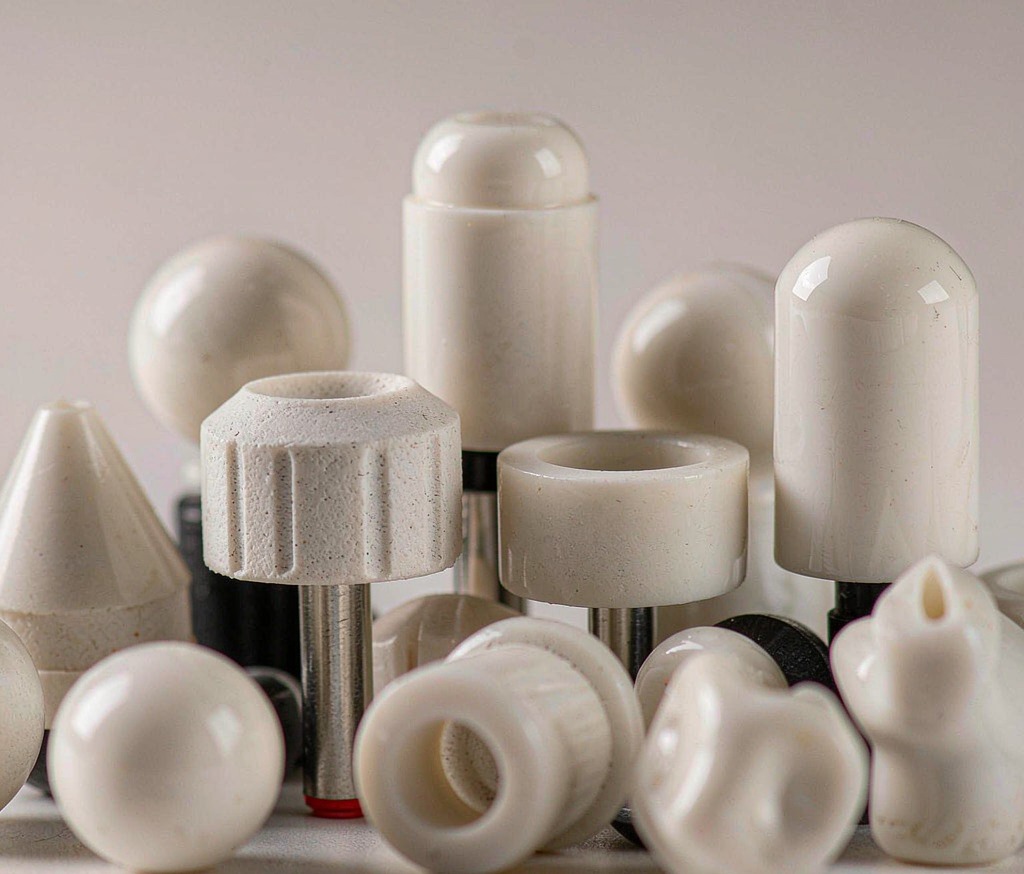
What Ceramic Injection Molding Is
CIM starts with fine ceramic powder, zirconia or alumina most often, mixed with a thermoplastic binder into a feedstock that flows like plastic. That feedstock is injected into a steel mold, producing a green part with the final geometry but low strength. The binder is then removed, and the part is sintered at high temperature, shrinking predictably to a dense, near-full-strength ceramic. The process parallels our metal injection molding work, which uses MIM injection molding and MIM sintering for the same near-net logic in metal.
Materials and Capabilities
Zirconia offers high strength and fracture toughness, alumina brings hardness and electrical insulation, and specialized grades serve semiconductor and medical needs. CIM handles features such as thin walls, holes, and undercuts that would be uneconomic to grind. For biocompatible parts, our medical-grade MIM discipline carries over to the cleanliness and traceability CIM medical programs require.
Material choice drives everything downstream. A zirconia surgical component and an alumina semiconductor insulator may look similar out of the mold, but their sinter schedules, shrink rates, and finish steps differ enough that the tooling must be designed around the specific grade from day one.
CIM vs MIM and Machining
Against machining, CIM wins on complex geometry and volume: a ceramic that would take many grinding operations comes out of the mold near net. Against MIM, CIM simply uses a ceramic powder instead of metal, so the choice is about material properties, not process shape. Where a ceramic is not required, an investment casting or MIM route may be the better fit. For high-volume ceramic and hard-metal parts, CIM and our compacting and sintering powder route share the same sintering science.
Applications and Design Tips
CIM shines in surgical instruments, semiconductor fixtures, pump and valve seats, and wear components. Design for uniform walls to avoid sink and cracking, keep sections thin where possible, and plan for the predictable sinter shrink, typically 15 to 20 percent, in the tooling. Tight tolerances are reached with a light finish machining or grinding step after sintering.
Shrinkage and Tooling
The single number that makes or breaks a CIM program is the sinter shrink rate. It must be measured on the actual powder-lot and binder system, then built into the tool cavity. Suppliers who guess the shrink deliver parts that drift out of tolerance as the powder source changes, so ask how the rate was established before you approve the tool.
Tooling Life and Volume Thresholds
CIM tooling wears slowly but is not free, so the business case hinges on volume. Below a few thousand pieces, the tool amortization dominates and machining often wins; above that, the per-part saving from near-net molding compounds fast. A practical threshold is to model the break-even where tool cost divided by quantity drops below the machining premium. Suppliers who show you that crossover point, rather than just quoting a piece price, let you make the call with real numbers instead of guesswork.
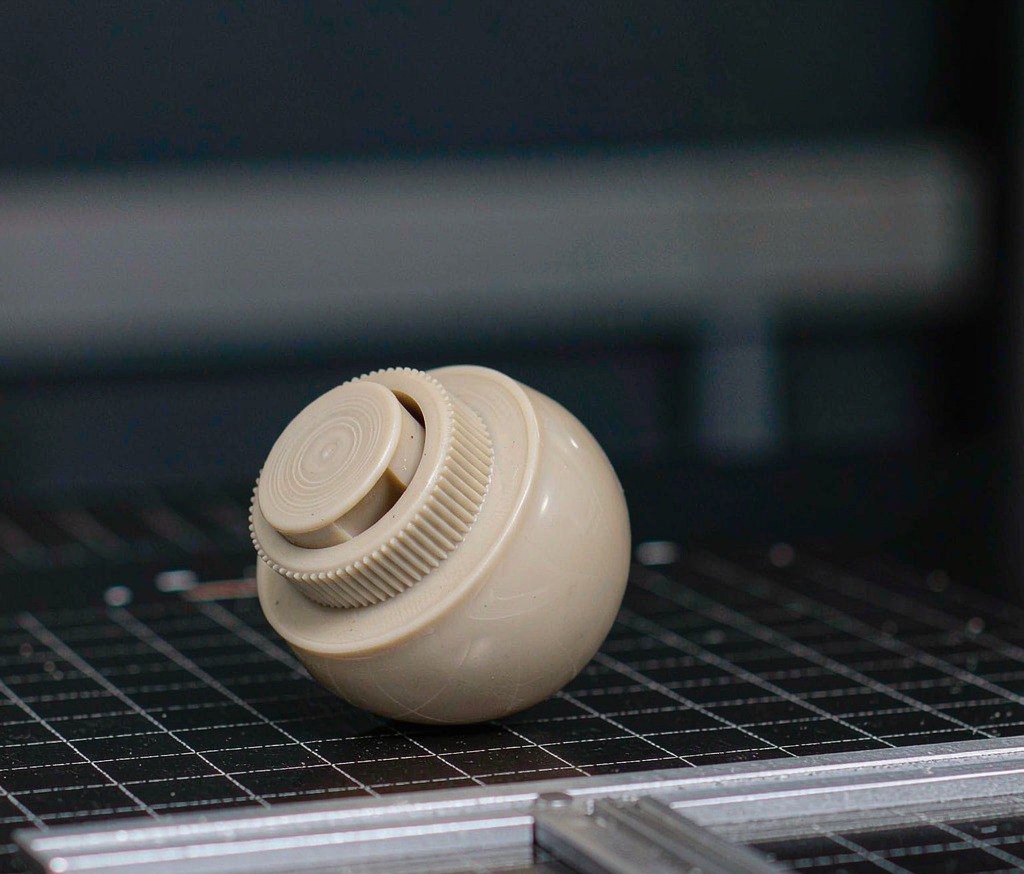
Where CIM Fits Your Program
CIM is a volume process: the tooling cost is justified once quantities climb. Buyers weighing it against metal should read our metal injection molding services overview, our medical-grade MIM notes for regulated programs, and our precision machined parts guide for the low-volume alternative. The right call depends on quantity, geometry, and the material you actually need.
Frequently Asked Questions
What shrinkage should I expect from CIM?
Linear shrink is usually 15 to 20 percent, set by the powder and binder system. A good supplier designs the tool around a measured, consistent shrink rate.
Can CIM parts be machined after sintering?
Yes. Diamond grinding or laser machining can tighten critical features after sinter, though designing the geometry to need as little as possible keeps cost down.
Is CIM only for tiny parts?
No, but it is most economic for small to medium components with complex shapes. Very large ceramic parts are usually pressed or cast instead.
Decide on Material First
CIM is a material decision as much as a process one. Pin down the ceramic grade you need, then let the molding route turn it into a shape that machining never could afford. Get the grade and the volume right, and CIM becomes the obvious choice rather than a gamble.
Finally, validate the first sintered parts before committing to the full tool, since ceramic shrink is less forgiving to correct than a machined dimension. A short pilot run turns the shrink assumption into a measured fact and de-risks the production order.
Ready to Start Your Project?
Get a build-ready quote on your custom metal parts within 24 hours. Share your drawing and our engineers will respond with process, lead time, and pricing.

