
Grade 1 titanium is commercially pure (CP) titanium with the highest ductility and best formability of the CP grades, plus outstanding corrosion resistance in aggressive chemical and marine environments. It is the go-to for chemical processing, desalination, and certain medical parts where weldability and corrosion beat strength. This guide covers machining Grade 1, how it differs from alloys, and the finishes that protect its surface.
What Grade 1 Titanium Is
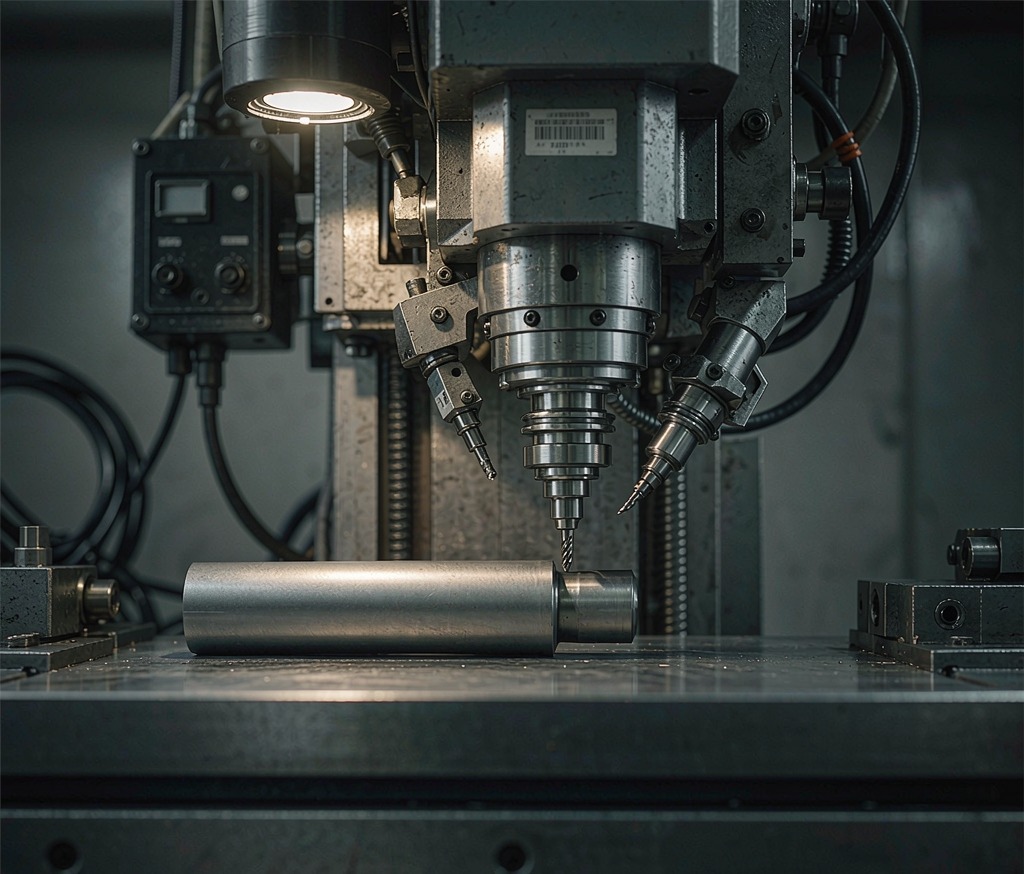
Grade 1 is unalloyed titanium with low oxygen content, giving maximum ductility and excellent weldability. Its strength is lower than Grade 5 (Ti-6Al-4V) but its corrosion resistance in oxidizing and reducing acids is exceptional, and it stays tough from cryogenic to elevated temperatures. We machine it on CNC turning and CNC milling centers set up for reactive metals.
Machining Grade 1: Tooling and Heat
Titanium has low thermal conductivity, so heat concentrates at the cutting edge — use sharp carbide tools, moderate speeds, and abundant coolant. Climb milling and rigid fixturing prevent work hardening and chatter. Because Grade 1 is soft and gummy, sharp edges and correct rake reduce built-up edge. Our titanium machining services overview and titanium CNC machining guide cover speeds, feeds, and coolant strategy for CP and alloy grades.
Finish and Corrosion Protection
Grade 1’s corrosion resistance comes from its stable oxide film. Passivation (or simply a clean acid dip) refreshes that film; surface grinding and deburring deliver the smooth, edge-clean finish chemical and marine parts require. For medical-grade work, the same documentation discipline used in medical device manufacturing applies.
When to Choose Grade 1
Pick Grade 1 when corrosion resistance, formability, and weldability outweigh strength — heat exchangers, reactor internals, desalination components, marine hardware, and forming tools. Choose Grade 5 or Grade 23 when you need high strength-to-weight or fatigue resistance instead. Grade 1 also welds cleanly without the cracking risk of some alloys.
Frequently Asked Questions
Is Grade 1 strong enough for structural use?
It has lower strength than alloyed titanium, but ample for many chemical, marine, and forming applications where corrosion resistance dominates.
Can Grade 1 be anodized?
Yes — titanium anodizing is decorative and adds a thin oxide layer; for corrosion protection the natural film plus passivation is usually sufficient.
How does it compare to stainless?
Grade 1 resists a wider range of aggressive chemicals and is lighter, but costs more and is softer than 316L stainless.
What tolerance is typical?
About ±0.05 mm standard, tighter on critical features through grinding and CMM verification.
Lead Time, Volume, and Documentation
Grade 1 titanium machines cleanly but is a premium material, so planning protects both cost and schedule. We stock common bar sizes and source certified coil and sheet with mill certificates, which shortens lead time on prototype and low-volume runs to about 5–10 days; production runs run 2–4 weeks depending on complexity. There is no minimum order quantity — a single prototype and a 10,000-piece run get the same process discipline. For chemical and marine parts, we add salt-spray or immersion evidence on request; for medical use, the same traceability used in medical device manufacturing applies, including PMI, first-article CMM, and material certification. Passivation refreshes the protective oxide film, and surface grinding delivers the smooth finish reactive-metal parts require. Tell us the service environment — acid, seawater, or sterilized — and we will confirm Grade 1 versus an alloy and set the right finish and inspection plan before quoting, so the part arrives fit for its duty rather than merely to print.
Request a Grade 1 Quote
Send your drawing, quantity, and environment (chemical, marine, or medical). We will recommend Grade 1 versus an alloy and return a quote with lead time and material certification.
Ready to Start Your Project?
Get a build-ready quote on your custom metal parts within 24 hours. Share your drawing and our engineers will respond with process, lead time, and pricing.

