
CNC Tapping Services: Precision Internal Threads at Scale
CNC tapping cuts precise internal threads directly into drilled holes, turning a plain bore into a secure, repeatable fastening point. For assemblies that must bolt together reliably across thousands of units, machine-tapped threads beat hand tapping on consistency every time. This guide explains how the process works, how it fits with drilling and boring, which materials are easiest, and how to spec a tapping job that holds up.

How CNC Tapping Works
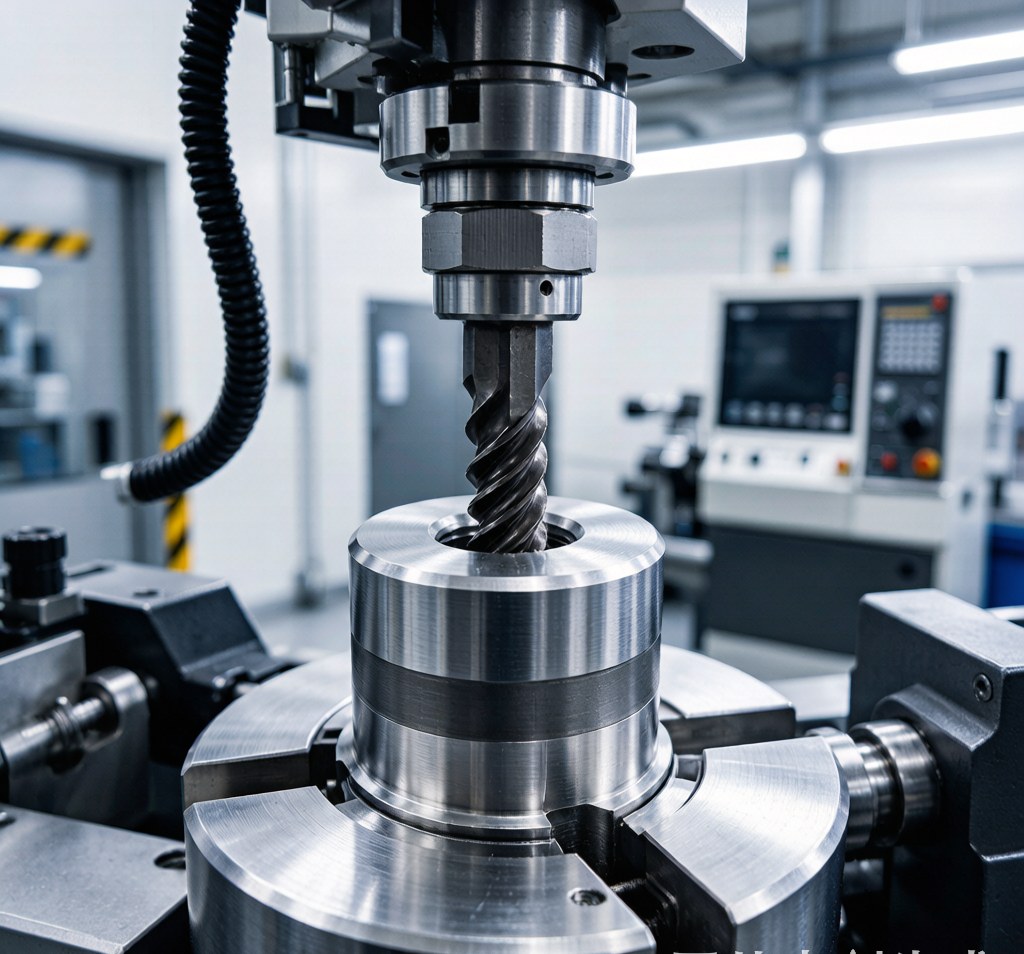
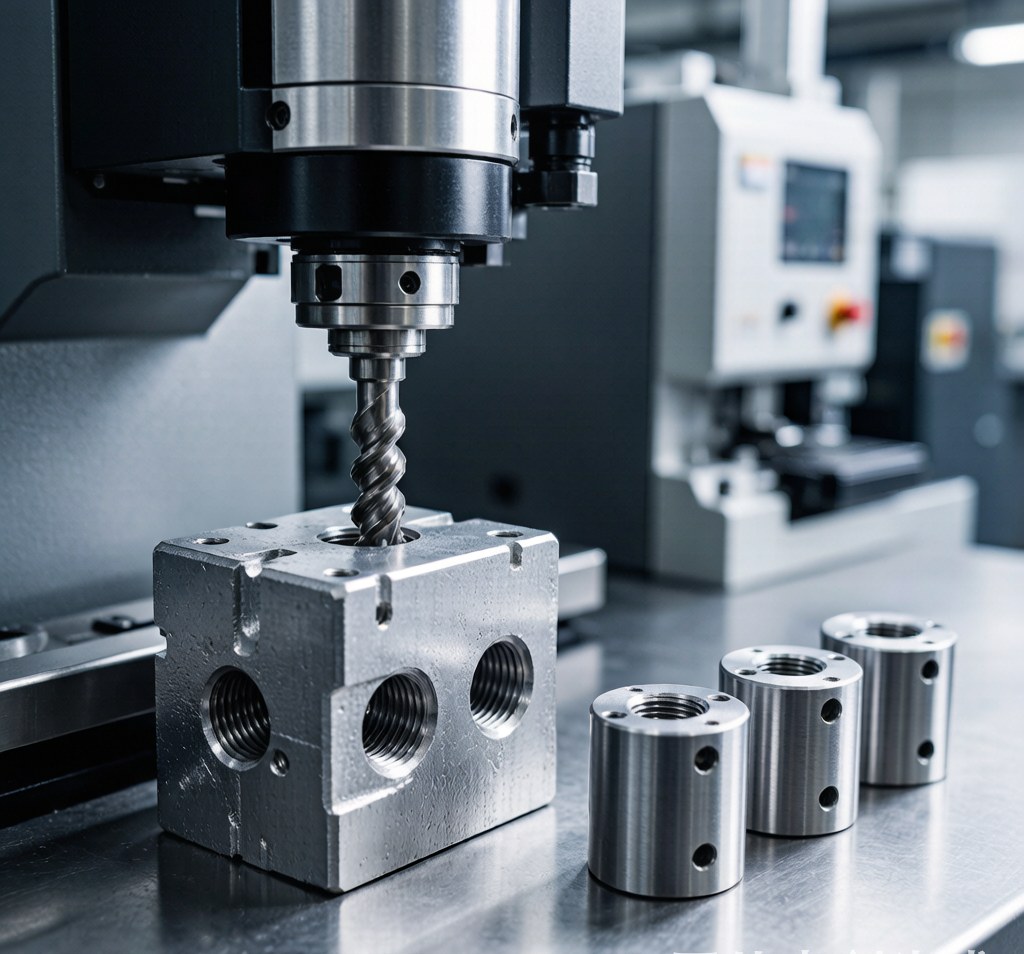
Tapping follows drilling: a rotating tap is fed into a pre-drilled hole, synchronizing spindle speed with feed so the thread pitch is cut accurately. On a CNC machine the tap can reverse and withdraw cleanly, and rigid or floating holders compensate for minor misalignment. Because tapping is programmed, every hole gets the same depth and thread form. We typically sequence CNC drilling and tapping in one cycle to eliminate handling.
CNC Tapping vs. Other Threading Methods
Thread milling is an alternative for larger diameters and exotic materials, while CNC boring handles the hole sizing that threading sometimes follows. Tapping is the fastest, most economical route for standard internal threads in moderate volumes. Compared with manual tapping, CNC avoids crossed threads, inconsistent depth, and broken taps in deep holes.
Materials We Tap
- Aluminum — taps cleanly; the easiest material for high-speed tapping.
- Steel and stainless — need proper lubrication and sharp, coated taps.
- Brass and bronze — soft, but require careful feed to avoid thread tearing.
- Titanium and Inconel — tough on tooling; we use rigid setups and premium taps.
- Plastics — form-tapping or sharp tools prevent cracking and thread stripping.
Industries That Rely on CNC Tapping
Any bolted assembly needs tapped holes—think machinery frames, enclosures, medical instrument bodies, and automotive brackets. When a product is mass-produced, consistent thread depth and form are critical to assembly line speed and joint integrity.
How to Spec Your CNC Tapping Job
- Define thread size and pitch (e.g., M6×1.0, #10-32, UNC/UNF) on the drawing.
- Provide the tapped depth and confirm the drilled pilot diameter.
- Note blind vs. through holes so we plan chip evacuation and thread runout.
- State the mating fastener class to set thread tolerance.
- Share volume and material to select tooling and cycle strategy.
FAQ
What thread standards do you support?
Metric (ISO), UNC/UNF, and custom pitches are all supported across common sizes.
Can you tap plastic without cracking it?
Yes. We use form taps or tuned sharp tooling and adjusted feeds to protect delicate threads.
Do you tap and drill in one setup?
Whenever possible, combining operations reduces cost, lead time, and positional error.
Why Choose Huaxiao for CNC Tapping
Our CNC tapping service is integrated with drilling and milling so threaded features are completed in a single, accurate setup. In-house thread gauging confirms every batch meets spec. Upload your drawing and get a quote that covers the full hole-and-thread cycle.

