
CNC Grinding Services: Precision Surface Finish & Flatness
CNC grinding is the finishing process that takes a machined part from “close” to “perfect.” When flatness, surface finish, or edge sharpness matter—seals, cutting tools, and precision fixtures—grinding removes microns of material with an abrasive wheel to deliver a flawless result. This guide explains how CNC grinding works, where it beats other finishing methods, the materials it handles, and how to specify a job that meets tight finish requirements.

How CNC Grinding Works
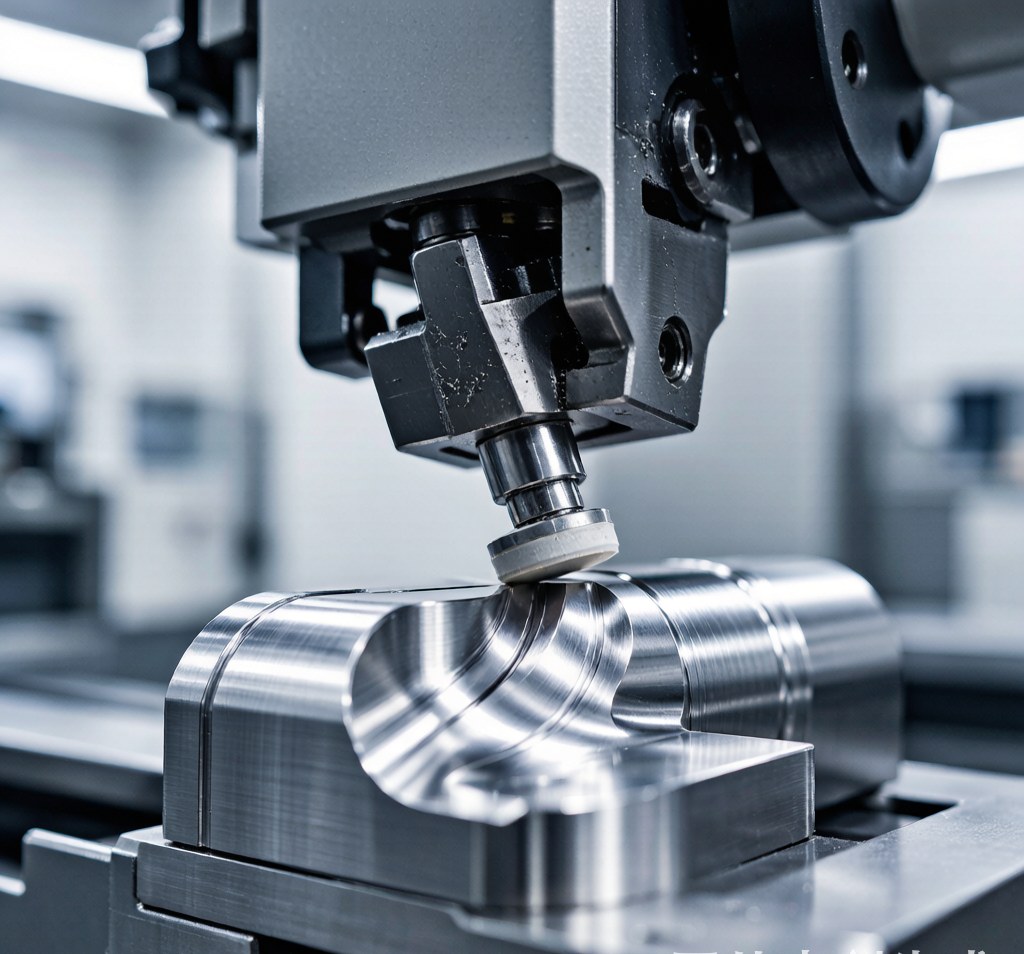
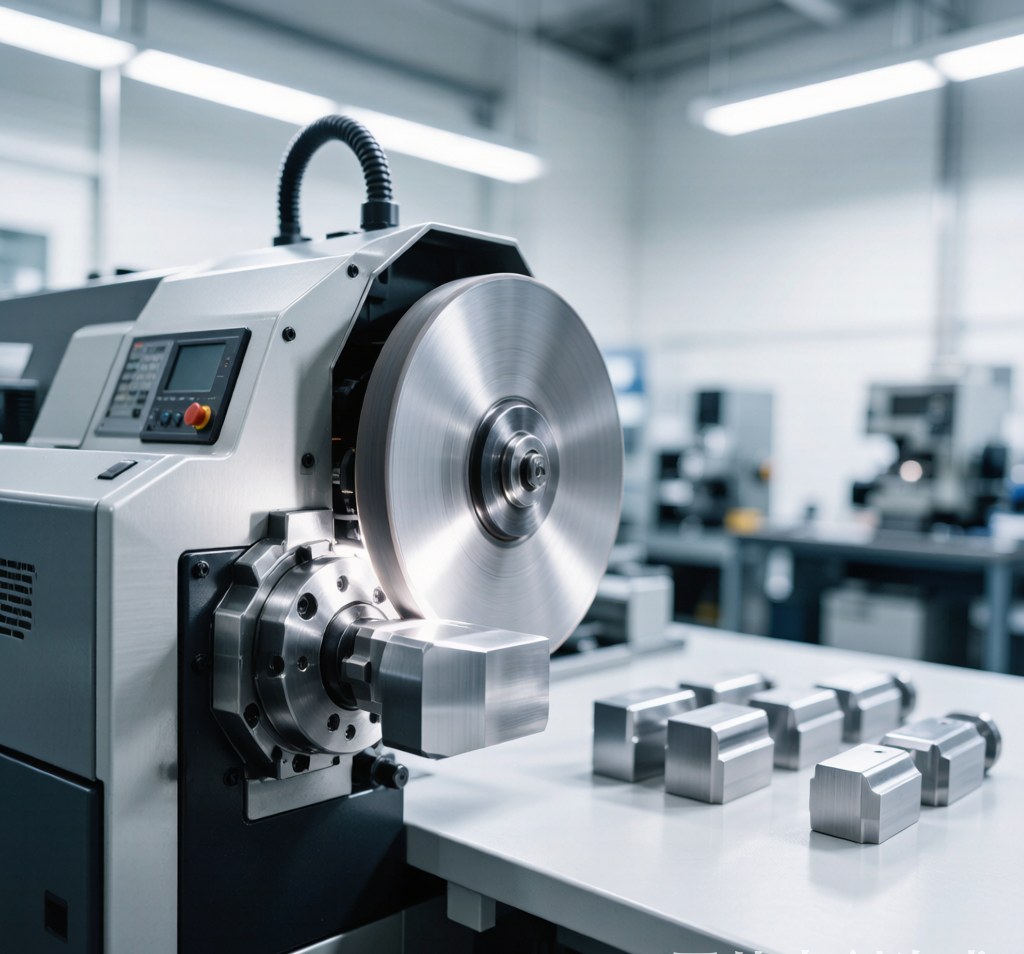
Grinding spins a bonded abrasive wheel at high speed against a precisely positioned workpiece, shaving a controlled layer to hit final size and finish. CNC control of the axes and in-process gauging lets the machine compensate as the wheel wears, holding tolerances in the micron range. Surface, cylindrical, and centerless configurations cover faces, OD/ID, and high-volume round parts. We often pair grinding with CNC milling so a part is shaped and finished without leaving the cell.
CNC Grinding vs. Other Finishing Methods
Compared with milling or turning alone, grinding achieves far finer surface finish (down to Ra 0.2) and tighter size control on hardened materials that would wear cutting tools. Versus hand polishing, CNC grinding is repeatable and measurable. For 5-axis machined parts that need a sealing face, grinding is the final accuracy step.
Materials We Grind
- Hardened steels and tool steel — the primary reason to grind rather than cut.
- Stainless and precipitation-hardened alloys — for medical and aerospace finishes.
- Carbide and ceramics — with diamond wheels for extreme hardness.
- Titanium and Inconel — requiring careful coolant and wheel selection.
- Cast iron and bronze — for way surfaces and bearing seats.
Industries That Rely on CNC Grinding
Grinding underpins cutting tools, mold and die making, bearing components, hydraulic spools, and semiconductor handling parts. Anywhere a surface must seal, slide, or cut cleanly, ground finish is non-negotiable for performance and life.
How to Spec Your CNC Grinding Job
- Mark the ground surfaces on the drawing with required flatness and finish.
- State final dimensions and tolerance — grinding holds microns.
- Specify surface roughness (Ra/Rz) for each critical face.
- Note material hardness so we select the right wheel and coolant.
- Share volume to choose between manual and automated grinding cells.
FAQ
What finish can grinding achieve?
We regularly reach Ra 0.2–0.4 µm on ground faces, with flatness within a few microns over the surface.
Do you grind hardened parts?
Yes. Hardened steels and tool steels are exactly what grinding is for, after heat treatment.
Can grinding be combined with milling?
Often, yes—sequencing reduces handling and keeps geometry aligned between operations.
Why Choose Huaxiao for CNC Grinding
Our CNC grinding service delivers the flatness, finish, and edge quality that demanding assemblies require, backed by in-process measurement. From single prototypes to production batches, we finish what we machine. Send your drawing for a quote that includes both shaping and grinding.

