
3-Axis CNC Machining Services: Fast, Accurate, Affordable
3-axis CNC machining is the backbone of modern precision manufacturing—moving a cutting tool along X, Y, and Z to shape flat and prismatic parts with remarkable consistency. If you need brackets, plates, enclosures, or fixtures produced accurately and affordably, 3-axis is almost certainly your process. This guide explains how it works, where it fits versus higher-axis machining, the materials it handles, and how to spec a job for reliable results.

How 3-Axis CNC Machining Works
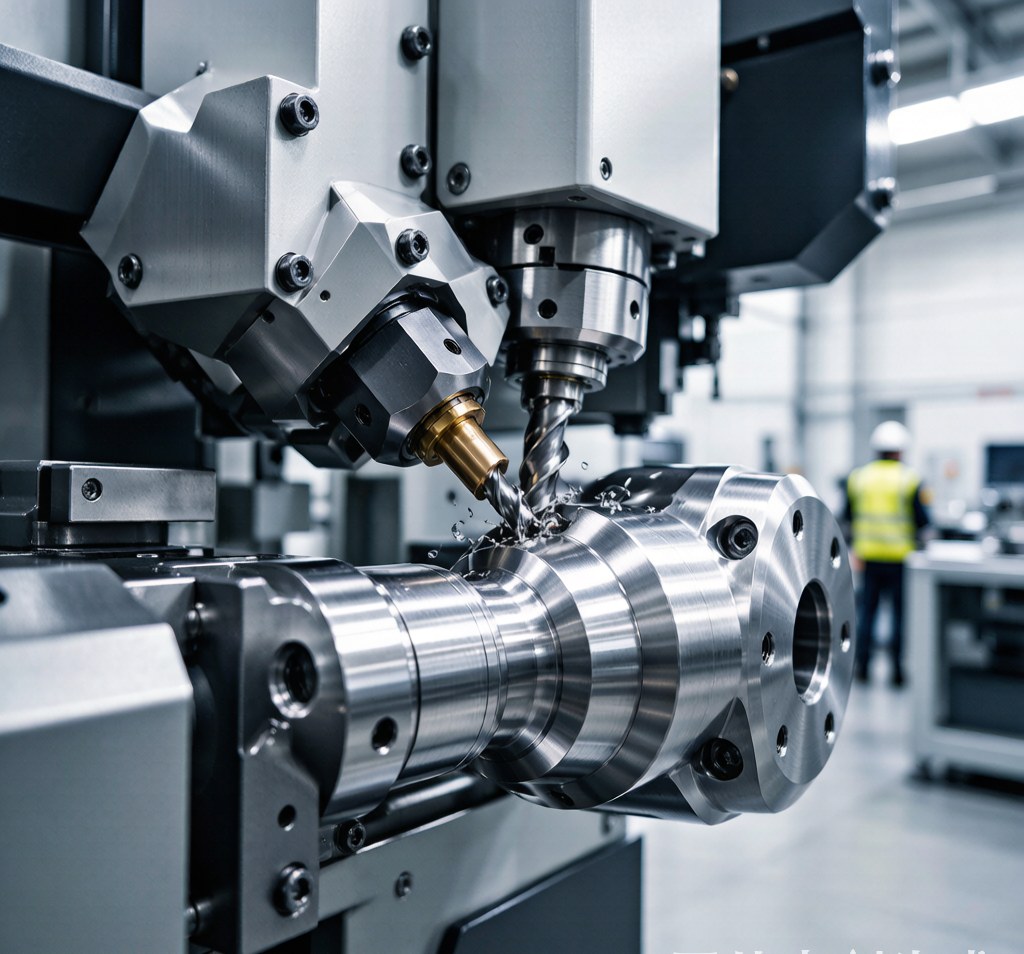
In 3-axis machining the spindle moves vertically (Z) while the table moves in X and Y. The workpiece stays fixed as the tool removes material from the top and side faces it can reach. Toolpaths generated from your CAD model drive every cut, so complexity is limited only by tool access. For many parts, CNC milling on a 3-axis center is the fastest path from model to finished component.
3-Axis vs. 4- and 5-Axis Machining
Three-axis centers are the most economical and cover the majority of parts. 4-axis machining adds a rotary axis for cylindrical features without repositioning, and 5-axis machining reaches compound angles in one setup. Choose 3-axis when features are accessible from the top and sides; step up only when undercuts or multi-face geometry demand it.
Materials We Machine
- Aluminum alloys — the default for fast, cost-effective prototypes.
- Stainless and carbon steels — for structural and wear components.
- Brass, copper, and bronze — electrical and decorative parts.
- Engineering plastics — insulators, jigs, and wear parts.
- Titanium and Inconel — with optimized tooling for hard alloys.
Industries That Rely on 3-Axis Machining
Robotics, electronics, automotive, and industrial equipment all run on 3-axis parts—mounting plates, sensor housings, spacers, and fixtures. Its speed and low cost make it the natural choice for both prototypes and recurring production.
How to Spec Your 3-Axis Job
- Send a clean 3D model and 2D drawing with critical tolerances called out.
- Identify machined-from-both-sides features so we plan clamping and datums.
- Choose material and finish (anodize, powder coat, bead blast).
- State quantity and lead time to set batch and fixturing strategy.
- Describe the operating environment to guide tolerance and material choices.
FAQ
What tolerance does 3-axis hold?
Standard ±0.05 mm, with tighter ±0.01 mm on critical features using calibrated equipment.
When should I use 4- or 5-axis instead?
When parts have undercuts, angled holes, or features on multiple faces that would need multiple setups.
Is 3-axis good for production volumes?
Yes. Repeatability makes it ideal from one prototype to thousands of parts.
Why Choose Huaxiao for 3-Axis CNC Machining
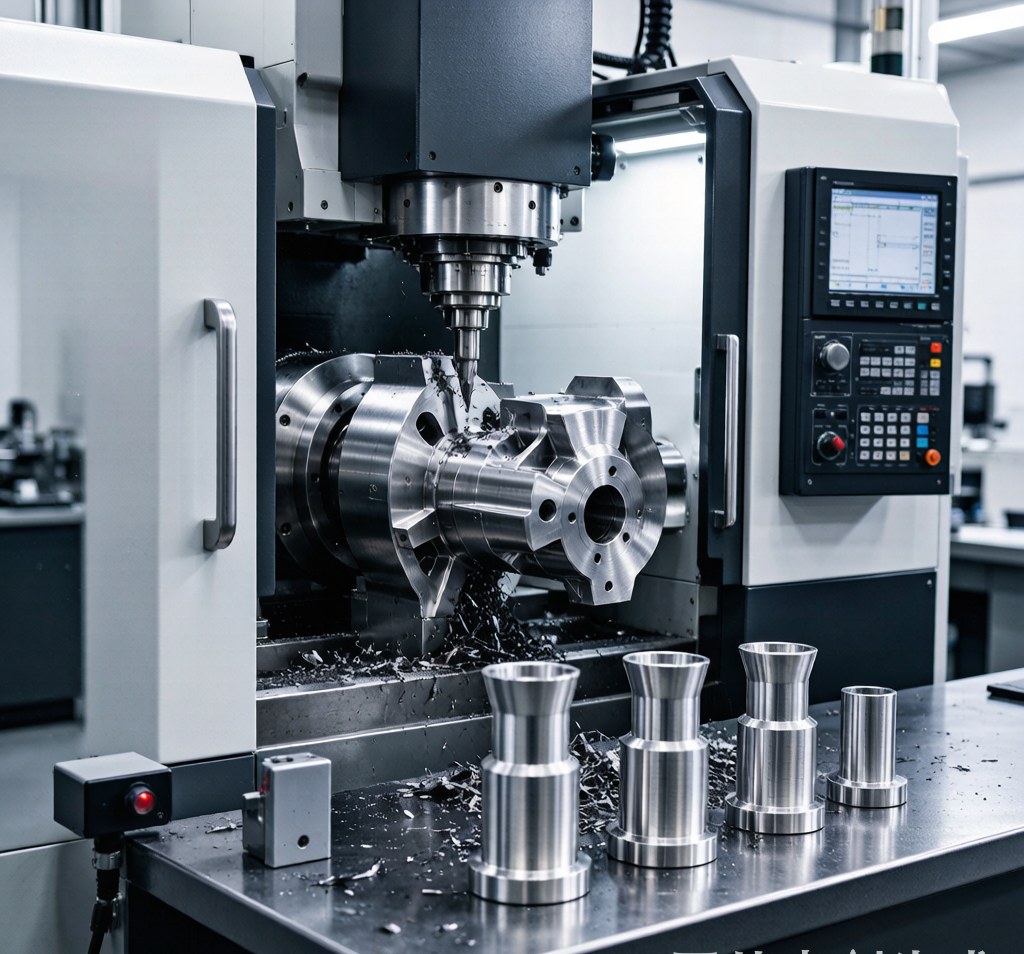
Our 3-axis CNC machining service pairs fast centers with DFM feedback and in-house inspection, so your parts ship right the first time. We scale from a single prototype to steady production without changing suppliers. Upload your model for a competitive, build-ready quote.

