
1045 is a medium-carbon steel that sits in the practical middle of the catalog: stronger and harder than low-carbon 1018, yet far easier and cheaper to machine than alloy or tool steels. That balance makes it the default for shafts, gears, pins, and structural brackets where cost matters. This guide covers the essentials of 1045 steel machining so buyers get accurate parts without overpaying.
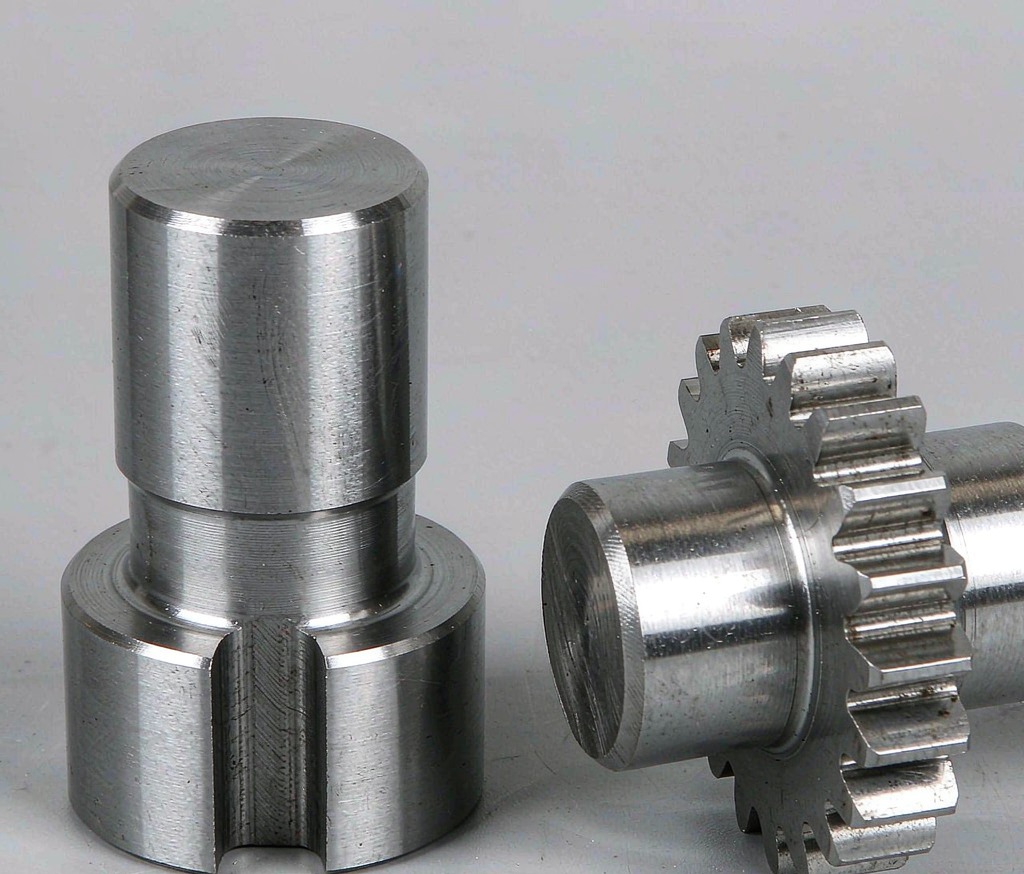
1045 Steel Properties
With about 0.45 percent carbon, 1045 responds well to heat treatment and delivers good strength and wear resistance in the as-rolled or normalized state. It machines cleanly on standard CNC milling and CNC turning centers with carbide or high-speed steel, with none of the work-hardening drama of superalloys. That is why it is a high-volume, low-risk choice.
Machining Medium-Carbon Steel
1045 takes higher speeds and feeds than alloy steels and leaves a good finish with sharp tooling. Contoured or multi-face parts are efficiently done on 5-axis CNC machining centers that reduce setups. Because it is so common, lead times are short and quoting is predictable, which helps buyers planning repeat orders.
Heat Treatment Options
1045 can be normalized, quenched and tempered, or induction-hardened on selected surfaces for wear. Plan the route with the shop: hardening changes size, so leave grind stock where tolerances are tight. Our carbon steel machining services“>heat treatment overview and the comparison with carbon steel machining services explain when to harden and when to leave it soft.
Tolerances and Finishes
Commercial tolerance is ISO 2768-m, with shafts and bores held tighter by surface grinding or finish turning. For mild corrosion resistance or a uniform look, black oxide is a low-cost finish widely specified on 1045 hardware.
Common Applications
1045 shows up as shafts, gears, axles, pins, spacers, and machine structural parts. When you need more strength or a specific alloy, our steel machining services“>steel machining services and CNC machining services“>CNC machining services guides cover the upgrade paths and their cost impact.
When to Step Up from 1045
1045 is the smart default, but not the answer to everything. If the part sees high fatigue, needs through-hardening to high hardness, or must carry heavy shock, an alloy steel such as 4140 or a properly selected tool steel will outlast it. A supplier that flags this instead of silently machining 1045 is saving you a field failure and a redesign.
FAQ
1045 vs 1018: which should I use?
Use 1018 when you need easy welding and formability; choose 1045 when you need more strength, hardness, or a wear surface you can heat treat.
Can 1045 be induction hardened?
Yes. Selected surfaces, such as shaft journals, are commonly induction hardened for wear while the core stays tough.
Is 1045 weldable?
Moderately. Preheat and controlled cooling help avoid cracking; for heavy fabrication, low-carbon steel may be simpler to weld.
How to Source
Send the model, the hardness requirement, and any ground surfaces. A shop that quotes 1045 with a clear heat-treat and grind plan will deliver parts on size and on budget, and will flag early if a stronger alloy would actually save you money in service.
Inspection and Acceptance
For 1045, confirm the heat-treat condition and any ground surfaces. A simple hardness check verifies the spec was met where hardening was applied, and a dimensional report confirms the grind landed. Both are cheap and both protect you from a part that looks right but is not.
Common Pitfalls to Avoid
Using 1045 where an alloy steel is needed causes premature wear; skipping grind stock on hardened features leaves parts oversize. Both are easy to fix with a clear drawing and a short call. The opposite error, over-specifying an exotic alloy for a duty 1045 handles, simply wastes budget, so match the steel to the load.
Working With a Machining Partner
Send the hardness, the ground surfaces, and the quantities together. 1045 quotes fast and machines fast, so use the turnaround to your advantage on repeat orders and build a relationship with a shop that already knows your prints. Consistency across batches matters more than a one-time low price, because a stable supplier is what keeps your assembly line running without surprise fit issues.
First Articles and Production Ramp
Even for a common steel, qualify a first-article when heat treat is involved, because hardening moves dimensions. The approved piece sets the grind stock and the inspection, and reorders then run without surprises. For high-volume 1045, that small step prevents a large pile of scrap.
Total Cost of Ownership
1045 is among the lowest-cost machinable steels, and for most shafts, pins, and brackets it is the right economic choice. Spend the savings on a clean heat-treat and grind plan, and the part will outlast the duty while keeping your bill of materials lean.
Quick Sourcing Checklist
Before you send the PO, confirm four things: the heat-treat condition is specified, any ground surfaces are called out, the hardness check is agreed, and quantities are stated for a stable reorder. With those clear, a steel shop returns 1045 parts that are cheap, consistent, and right the first time.
Final Note
If the part is never hardened, 1018 may be simpler to weld; if you need through-hardening, discuss 4140 with the shop. Matching the exact steel to the duty is the simplest way to control cost while keeping the strength your assembly needs.
Ready to Start Your Project?
Get a build-ready quote on your custom metal parts within 24 hours. Share your drawing and our engineers will respond with process, lead time, and pricing.

