
316L stainless steel is the low-carbon, molybdenum-bearing grade chosen when corrosion resistance, biocompatibility, and weldability matter more than anything else. It dominates medical instruments, food and pharmaceutical equipment, marine hardware, and chemical processing. This guide covers how 316L machines, why passivation and electropolishing matter, and the tolerances you should specify for critical parts.
Why 316L (Not 316) for Welded Parts
316L caps carbon at 0.030%, preventing carbide precipitation during welding and eliminating the need for post-weld heat treatment while keeping corrosion resistance equal to 316. That makes it the default for welded medical, food, and marine assemblies. General CNC turning and CNC milling of 316L follow the same rules as other austenitics, with attention to work hardening and heat.
Machining 316L: Tooling and Heat
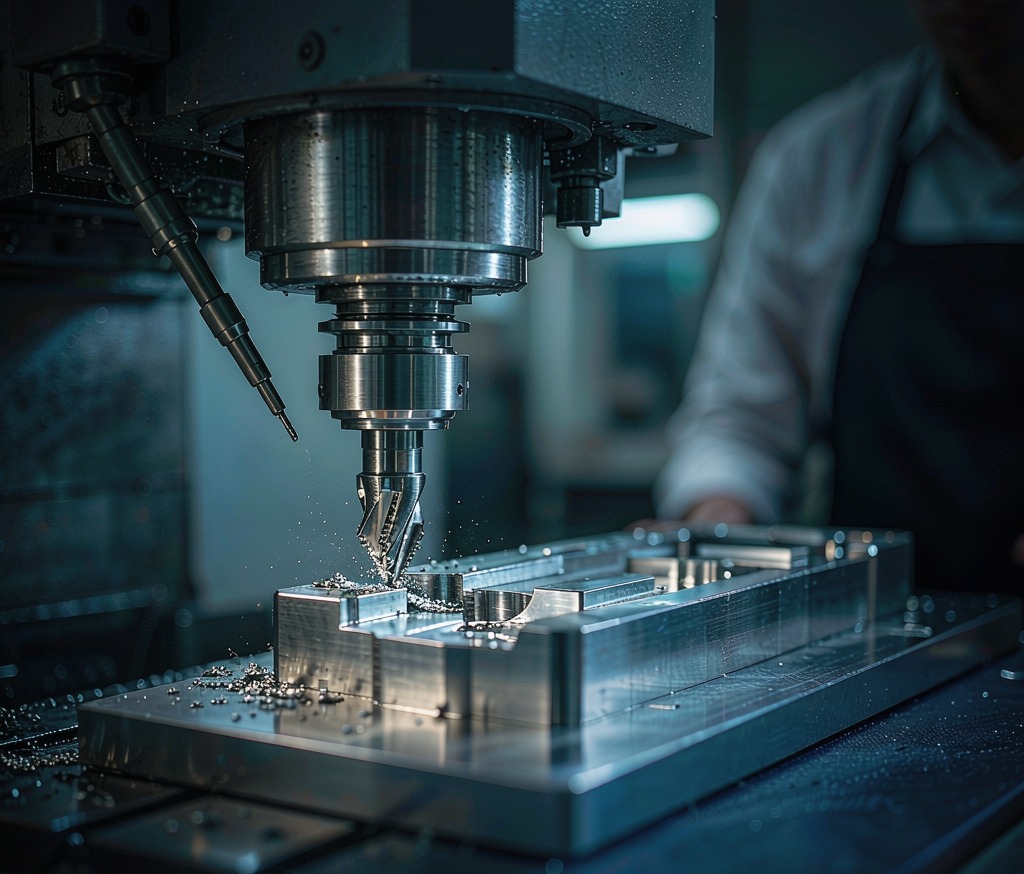
316L work-hardens quickly, so use rigid setups, sharp carbide tools, and positive rake geometry; avoid dwelling, which packs the surface and accelerates wear. Flood or high-pressure coolant controls heat and improves finish. Because it is not heat-treatable, hold dimensions through stable fixturing rather than post-process hardening. Our stainless steel machining guide covers grade-by-grade tooling strategy.
Finish: Passivation and Electropolishing
Stainless parts earn their corrosion resistance from the chromium oxide layer. Passivation removes free iron to let that layer form uniformly — often required for medical and food contact. Electropolishing takes it further, producing an ultra-smooth, cleanable surface (Ra < 0.4 µm) for hygienic and pharmaceutical use. Pair either with deburring so edges meet handling and coating specs.
Applications and Tolerances
Typical 316L parts include surgical instrument bodies, orthopedic trial components, sanitary fittings, pump impellers, valve stems, and marine hardware. Standard machining tolerance is about ±0.05 mm, with ±0.01 mm achievable on critical features through grinding. Medical device manufacturing programs add material certification, PMI, and CMM documentation for traceability.
Frequently Asked Questions
Is 316L safe for implants?
Yes for many temporary and some permanent implants; titanium or cobalt-chrome are preferred for long-term permanent implants.
What finish do food and pharma need?
Electropolished, passivated surfaces that are non-porous and cleanable, meeting FDA/EHEDG expectations.
Can 316L be heat treated for hardness?
No — it is austenitic and not hardenable by heat treatment. Tight tolerances come from stable machining, not post-heat.
What tolerance is typical?
About ±0.05 mm standard; ±0.01 mm on critical features verified by CMM.
Traceability and Documentation
For medical, food, and pharmaceutical 316L parts, documentation is part of the product. We verify incoming material with Positive Material Identification (PMI) via XRF so a grade mix-up never reaches the spindle, then carry material test reports and mill certificates through production. First-article inspection with CMM confirms critical dimensions before the run, in-process audits catch drift, and final inspection plus passivation reports close the loop. Passivation per ASTM A967 and electropolishing for hygienic surfaces are done in-house, avoiding outsourced queues. For assemblies, 316L’s low carbon content means welded joints keep corrosion resistance without post-weld heat treatment — a real advantage over 316 in fabricated medical and marine hardware. If your program needs PPAP or full lot traceability, state it in the RFQ; we build the inspection plan around your compliance standard rather than bolting it on afterward. Lead time is typically 3–7 days for prototypes and 2–4 weeks for production, and we return DFM notes on weld access, tolerance, and finish before any cutting starts so costly revisions never reach the floor.
Choosing a 316L Supplier
When you shortlist a 316L machining partner, weigh evidence over claims: material certification, PMI on incoming stock, passivation and electropolishing done in-house, and CMM reports on critical dimensions. A shop that machines, finishes, and inspects under one roof controls lead time and continuity better than one that outsources half the work. Confirm they have run welded medical or marine 316L assemblies before, since low-carbon weld behavior is exactly where weaker shops get surprised.
Request a 316L Machining Quote
Send your drawing, grade confirmation, quantity, and required finish. We return DFM feedback, a transparent quote, and full material traceability for medical and food-grade work.
Ready to Start Your Project?
Get a build-ready quote on your custom metal parts within 24 hours. Share your drawing and our engineers will respond with process, lead time, and pricing.

