
Black Oxide Coating Services: Mild Corrosion Protection & Matte Finish
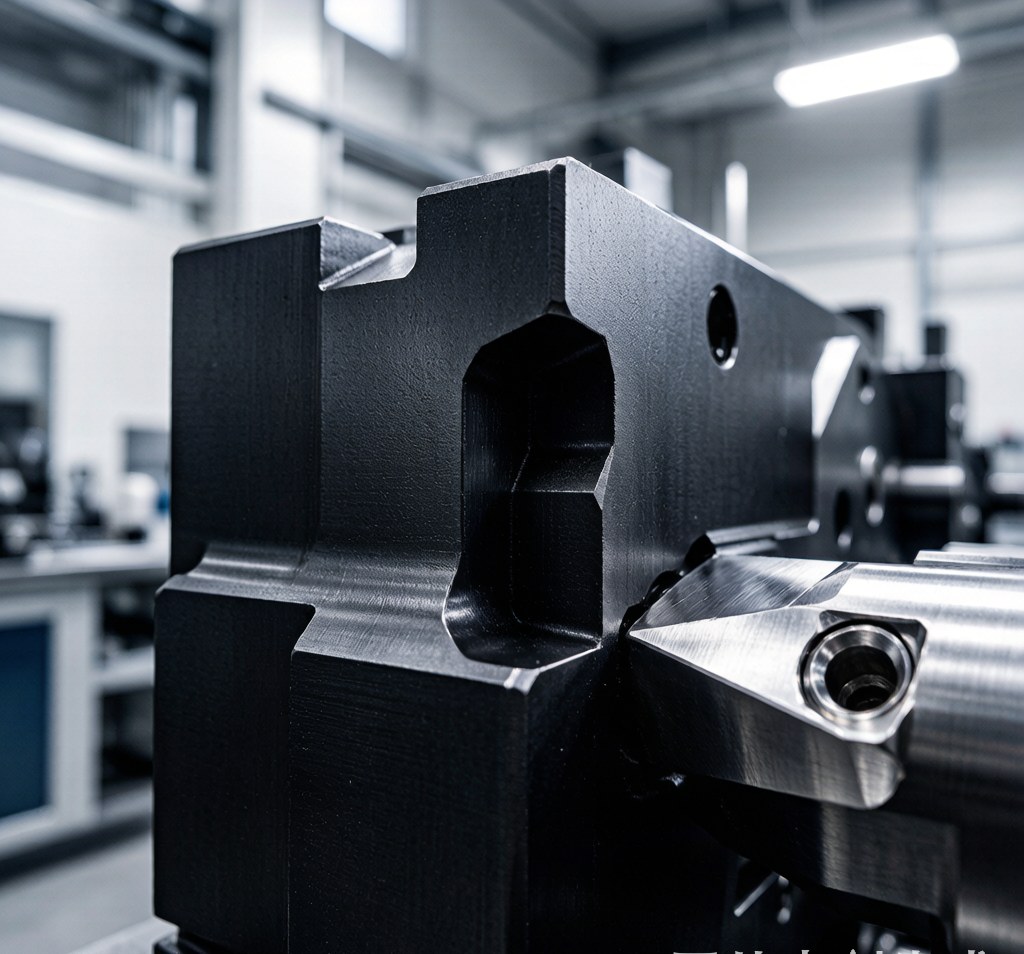
Black oxide coating (often called bluing or blackening) converts the top layer of steel into magnetite—a uniform, matte-black finish that adds almost no thickness. Because it’s a chemical conversion of the surface rather than a deposited layer, dimensions stay put and there are no rack marks. For fasteners, tools, and firearms parts where a clean black look and mild corrosion resistance matter, black oxide is the economical standard. This guide covers how it works, when to choose it, its limits, and how to spec your job.

How Black Oxide Coating Works
The part is cleaned, then immersed in an alkaline oxidizing bath that reacts with iron at the surface to form Fe₃O₄ (magnetite). After rinsing, we typically seal the finish with oil or wax to boost corrosion resistance. Black oxide usually follows machining such as CNC turning or CNC milling, and it pairs well with a final passivation or oil dip for extra protection.
Black Oxide vs. Plating
Unlike zinc plating or electroless nickel, black oxide adds no measurable build-up—critical for threaded and precision-fit parts. It offers only mild corrosion resistance, so it’s chosen for appearance and dimensional stability rather than harsh environments.
Properties and Limits
- Thickness—under 2.5 µm; dimensions effectively unchanged.
- Appearance—matte to semi-gloss black, even across the part.
- Corrosion resistance—mild; improved greatly by oil or wax seal.
- Base material—best on ferrous metals; not for aluminum.
Materials We Treat
- Carbon and alloy steels—the standard black-oxide substrate.
- Stainless steel—needs a modified process for a true black.
- Cast iron and tool steel—common for tools and fixtures.
Industries That Rely on Black Oxide
Fasteners, hand tools, firearms components, and hydraulic fittings use black oxide for a uniform black finish that won’t interfere with assembly.
How to Spec Your Black Oxide Job
- State the base material (steel grade / stainless).
- Choose finish—matte, satin, or gloss.
- Specify post-seal—oil, wax, or chrome-free sealant.
- Define the salt-spray target for the sealed finish.
- Flag threaded or precision features (no build-up is the point).
- Note any cosmetic standard for uniform color.
FAQ
Does black oxide rust?
It slows rust; the oil/wax seal is what gives real protection. Always specify a seal.
Will it affect threads?
No—build-up is under 2.5 µm, so threads stay functional.
Can stainless be black oxided?
Yes, with a dedicated stainless process.
Why Choose Huaxiao for Black Oxide Coating
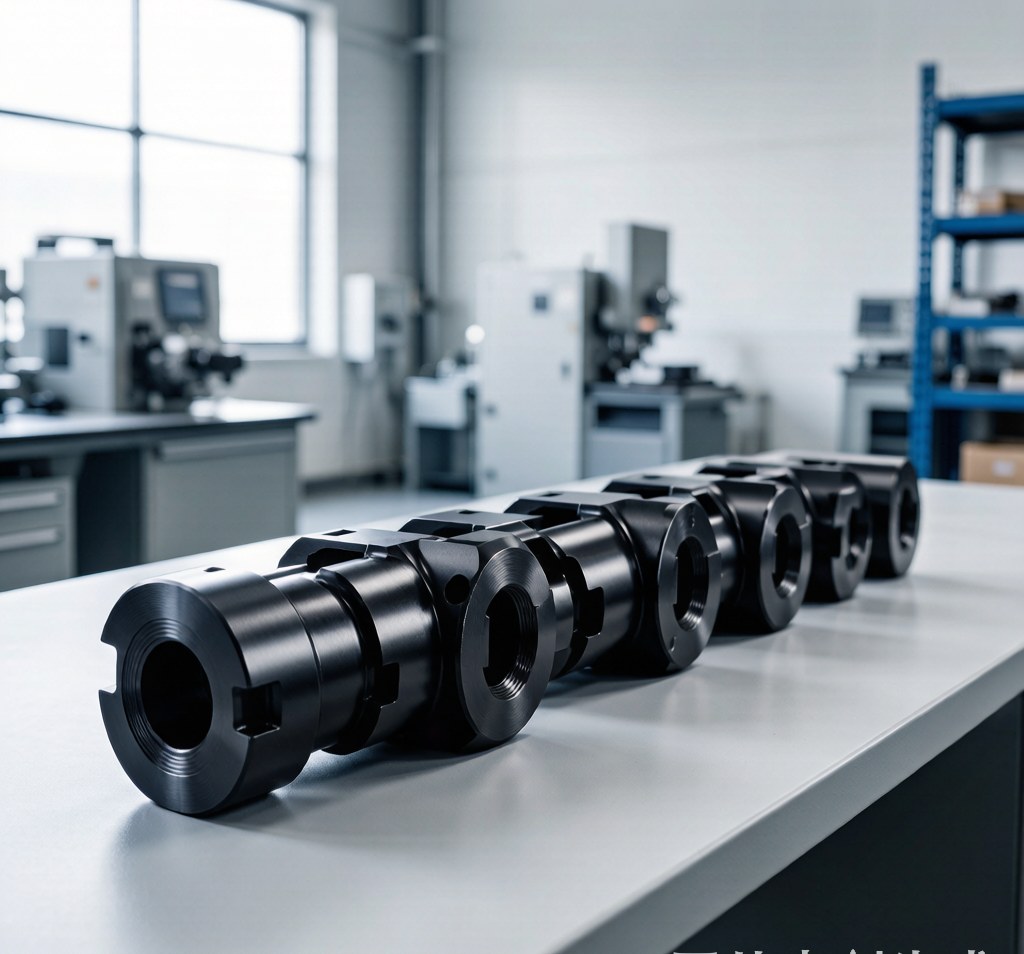
Our black oxide coating service delivers a uniform matte finish with a sealed, corrosion-resistant topcoat. Send your drawing for a quote covering cleaning, conversion, and sealing.

