
When engineers specify copper-alloy components, the first real fork in the road is brass vs bronze. Both metals are copper-based, both machine far more easily than most steels, and both deliver excellent corrosion resistance—but they behave very differently on the shop floor and in service. Choosing wrong can mean a part that galls in a bearing seat, dezincifies in seawater, or simply costs twice what it should. This guide compares composition, machinability, strength, corrosion resistance, and cost so you can specify the right alloy for turned, milled, and cast parts.
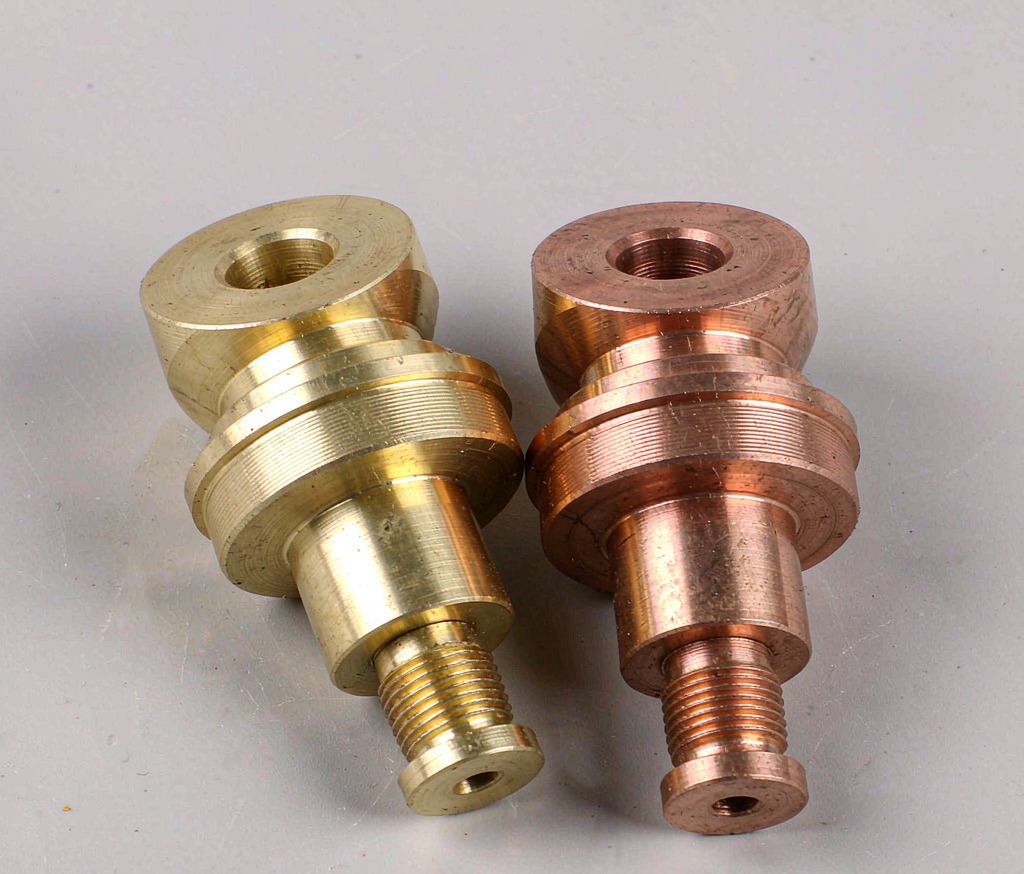
What Brass and Bronze Are Made Of
Brass is fundamentally copper plus zinc, typically 5–40% zinc, with small additions such as lead for free machining. Bronze is copper plus tin, aluminum, silicon, or other elements—never zinc as the primary alloying element. That single compositional difference cascades into everything else. Free-cutting brass such as C36000 is the machinability benchmark for the entire copper family, rated 100, while bronzes range from roughly 60 (aluminum bronze) down to much lower for abrasive tin grades. If you are weighing a copper-system material against a lighter option, our guide on copper CNC machining covers the wider conductivity trade-offs.
Machinability: Brass Wins on Speed and Cost
For high-volume turned work, brass is the clear winner. It shears cleanly, forms short brittle chips, and lets shops run higher spindle speeds with less tool wear. Bronze tends to produce longer, stringier chips that demand sharper carbide tooling, rigid fixturing, and disciplined coolant control. The practical result: a brass part often machines in a fraction of the cycle time of a comparable bronze part, which directly lowers per-piece cost. For precision turned work our CNC turning process is well suited to both alloys, while CNC milling handles the more complex bronze geometries.
Strength, Wear, and Bearing Performance
Bronze generally wins on hardness, wear resistance, and load capacity. Aluminum bronze (C95400) reaches tensile strengths near 620 MPa—approaching some low-alloy steels—and tin bronzes offer low friction and natural self-lubrication. That is why bushings, bearings, gears, and pump components are so often bronze. Brass is strong enough for fittings, connectors, valve bodies, and decorative hardware, but it is the softer, more ductile choice. When the application is a sliding or heavy-load interface, review our custom metal bushings and custom metal bearings references before committing to a grade.
Corrosion Resistance and Marine Use
Bronze comfortably outperforms brass in aggressive environments. Aluminum and tin bronzes resist seawater attack, while high-zinc brasses are prone to dezincification and can suffer stress-corrosion cracking in ammoniacal atmospheres. Brass performs well in fresh water and indoor use, and it is the standard for plumbing and decorative fittings in non-marine service. If your part will sit in salt spray, specify bronze—or at minimum a dezincification-inhibited brass. For cast marine shapes, sand casting and investment casting are both viable routes depending on tolerance and volume.
Cost and Lead-Time Considerations
Brass is usually the cheaper raw material because zinc costs less than tin or aluminum in alloy form, and its faster machining compounds the saving. Bronze carries a premium that is easily justified when wear life, strength, or corrosion resistance is the deciding factor. Lead time is similar for both via standard CNC routes; cast bronze may add pattern and melt lead time. Our material consulting team can model total cost of ownership—not just piece price—so you select the alloy that is cheapest over the part’s service life.
How to Choose: A Quick Decision Guide
Pick brass when machinability, cost, appearance, and moderate strength dominate—fittings, connectors, threaded hardware, musical and decorative parts. Pick bronze when wear resistance, strength under load, low friction, or marine/chemical corrosion resistance matter—bearings, bushings, gears, valve and pump trim, and propeller or heavy-duty components. When two candidates look close, cost and machinability usually favor brass while durability and seawater performance favor bronze. For production at scale, our OEM services support both alloys with DFM feedback before the first chip is cut.
Frequently Asked Questions
Is bronze stronger than brass?
Yes, in general. Bronze is harder, wear resistant, and often higher in tensile strength, especially aluminum bronze, making it the structural and tribological choice.
Which machines faster, brass or bronze?
Brass, by a wide margin. Free-cutting brass is the machinability reference for all copper alloys; bronze needs slower speeds, sharper tooling, and better chip control.
Can brass be used in seawater?
Only with care. High-zinc brasses dezincify in salt water; use bronze or a dezincification-inhibited grade for submerged or coastal service.
Is bronze more expensive than brass?
Typically yes, driven by alloying cost and slower machining, but the longer service life often justifies the premium in demanding applications.
Ready to Start Your Project?
Get a build-ready quote on your custom metal parts within 24 hours. Share your drawing and our engineers will respond with process, lead time, and pricing.

