
CNC Boring Services: Tight-Tolerance Bores & Concentricity
CNC boring finishes and trues an existing hole to exact diameter and concentricity—something drilling alone cannot achieve. When a bore must hold a bearing, hydraulic seal, or shaft to tight tolerances, boring is the process that makes it right. This guide covers how boring works, when to specify it, the materials involved, and how to brief your supplier for a first-pass fit.

How CNC Boring Works
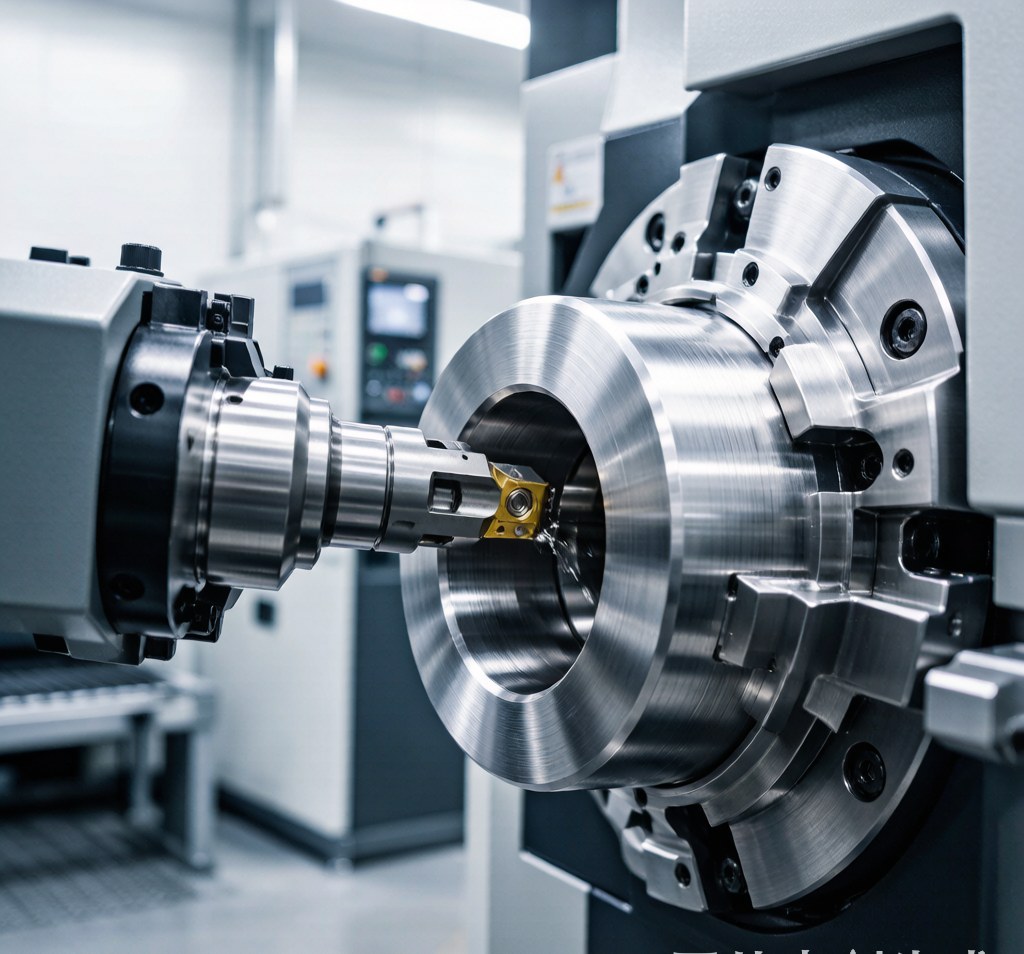
Boring uses a single-point cutting tool on an adjustable boring head to remove a small, controlled amount of material from the inside of a hole. Because the tool is indexed to the machine’s axes, it corrects positional and diameter errors left by drilling and brings the bore to its final size. On a CNC machining center, boring often follows CNC drilling in the same setup, improving roundness and straightness in one handling.
CNC Boring vs. Other Hole Processes
Drilling creates the initial hole; boring refines it. For large diameters, boring is far more economical than a massive drill and yields better surface finish. It also beats reaming for adjustable sizing and for features that must be concentric with an external diameter. CNC tapping may follow when the bore also needs threads.
Materials We Bore
- Aluminum and magnesium — excellent, stable bores for lightweight assemblies.
- Steel and stainless — common for bearing seats and hydraulic bodies.
- Cast iron — machines predictably to fine finishes.
- Titanium and Inconel — require rigid tooling and controlled parameters.
- Bronze and brass — for bushings and wear surfaces.
Industries That Rely on CNC Boring
Bored features appear wherever rotating or sealing elements sit in a housing: hydraulic manifolds, gearbox casings, bearing blocks, cylinder bodies, and aerospace fittings. Tight concentricity here directly affects noise, leakage, and service life.
How to Spec Your CNC Boring Job
- State final bore diameter and tolerance — boring shines at ±0.01 mm and better.
- Define concentricity or runout relative to a datum surface.
- Note bore depth and any steps or tapers inside the hole.
- Specify surface finish (e.g., Ra 1.6) for sealing or bearing contact.
- Share material and volume to finalize tooling and fixturing.
FAQ
What tolerance can boring hold?
We routinely hold bore diameter to ±0.01 mm with concentricity under 0.02 mm on rigid parts.
Is boring needed for every hole?
No. Only features with tight fit, finish, or concentricity requirements justify the extra operation.
Can you bore and drill together?
Yes. Sequencing them in one setup improves accuracy and reduces lead time.
Why Choose Huaxiao for CNC Boring
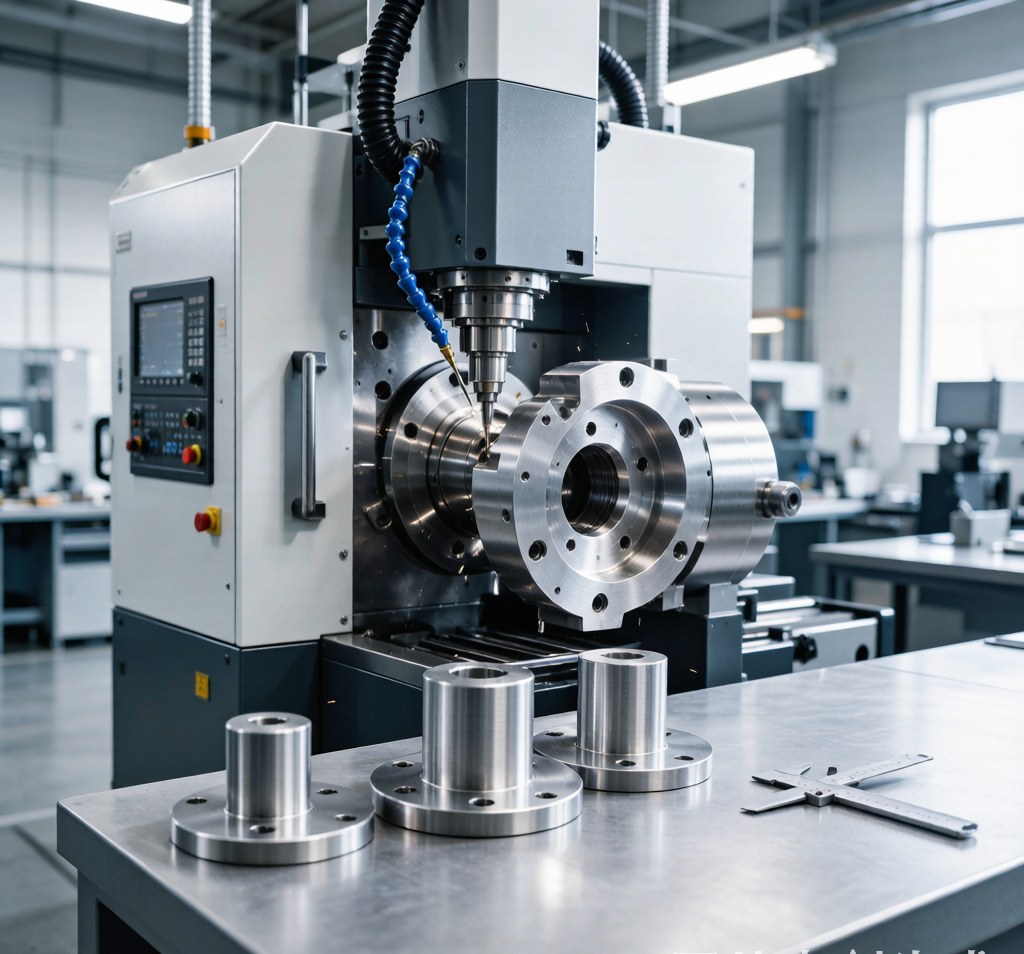
Our CNC boring service is built into the same centers that drill and mill your part, so bores land exactly where the design intends. Final inspection with bore gauges and CMMs confirms the fit. Send your drawing for a quote that covers the complete hole cycle.

