
CNC Drilling Services: Accurate Holes in Metal & Plastic
CNC drilling produces accurate, repeatable holes in metal and plastic without the variability of hand-held tools. For buyers who need consistent bore diameters, depth control, and clean entry and exit surfaces across thousands of parts, CNC drilling is the workhorse process. This guide covers how it works, when to choose it over related operations, the materials involved, and how to spec your job for first-pass success.

How CNC Drilling Works
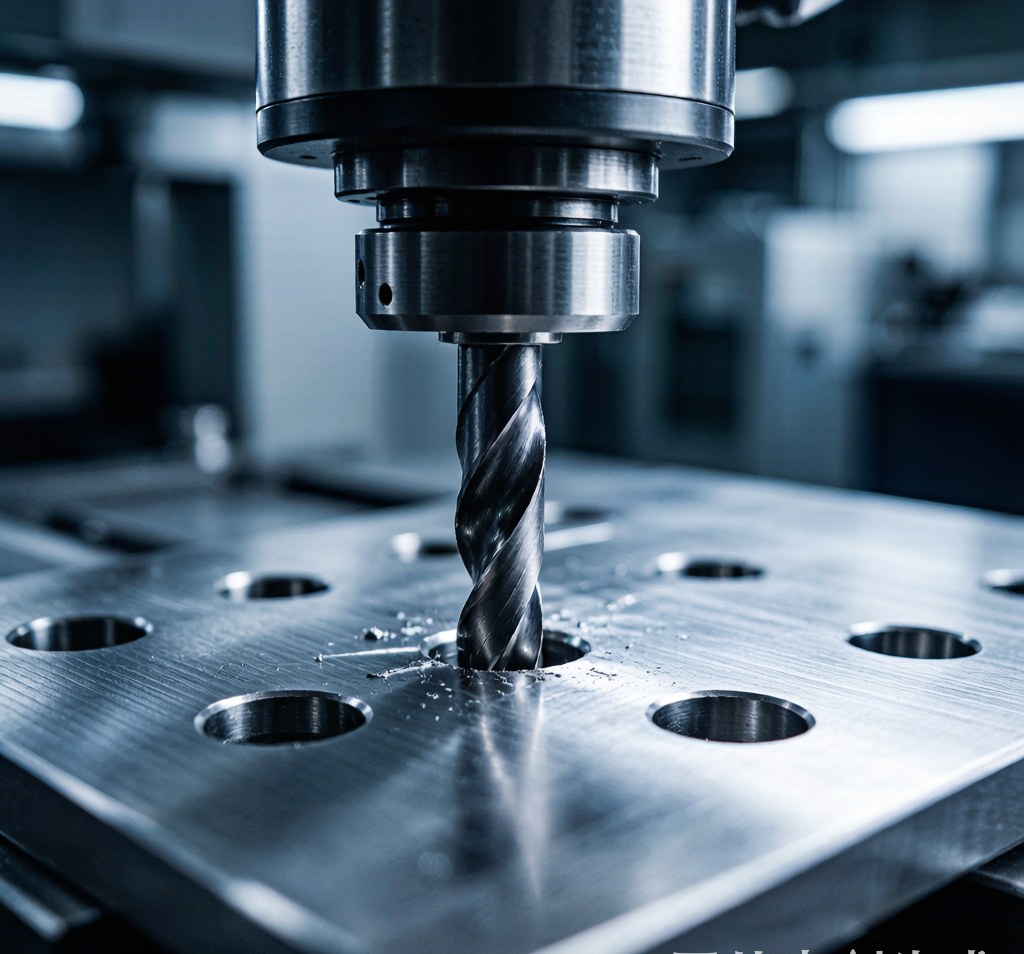
CNC drilling drives a rotating drill bit along a programmed axis into a clamped workpiece, with the machine controlling spindle speed, feed rate, and peck cycles to clear chips and prevent breakout. Coordinate tables position each hole to within microns, so a 200-hole pattern is identical part to part. Depth stops and through-spindle coolant keep holes clean in deep or gummy materials. Many shops combine drilling with CNC milling in a single setup to avoid extra handling.
CNC Drilling vs. Other Hole-Making Processes
Drilling creates a raw hole; CNC tapping then cuts the internal thread, and CNC boring enlarges and true’s an existing hole to high precision. Compared with manual drilling, CNC delivers far tighter positional accuracy and lets you automate complex patterns. For very large diameters, boring or milling a circular pocket is often more economical than a giant drill.
Materials We Drill
- Aluminum — fast, clean holes; the most common prototyping material.
- Stainless and carbon steel — need peck cycles and coolant to manage heat.
- Brass and copper — soft, but require sharp tooling to avoid deformation.
- Titanium and Inconel — demand low speeds, rigid setups, and premium coatings.
- Engineering plastics — prone to melting, so we tune feeds and cooling carefully.
Industries That Rely on CNC Drilling
Every assembled product needs holes. Aerospace panels, automotive housings, medical implant fixtures, and electronics enclosures all depend on accurate drilled features for fasteners, fluids, and alignment. Position-critical patterns—such as bolt circles—are where CNC accuracy pays for itself.
How to Spec Your CNC Drilling Job
- Provide hole diameter and depth for each feature, plus positional tolerances on the drawing.
- Mark threaded holes so we can plan drilling + tapping in one cycle.
- Note material thickness and any blind-hole depth limits.
- Define surface requirements — burr-free, chamfered, or countersunk as needed.
- Share quantity and cadence to optimize fixturing and batch size.
FAQ
What is the smallest hole you can drill?
We routinely run holes from 0.5 mm upward, with micro-drilling available for specialized applications.
Can drilled holes be threaded?
Yes. We tap directly after drilling in the same setup, eliminating a secondary operation.
How do you prevent burrs on exit?
Controlled feeds, backing material, and deburring passes keep exit surfaces clean and consistent.
Why Choose Huaxiao for CNC Drilling
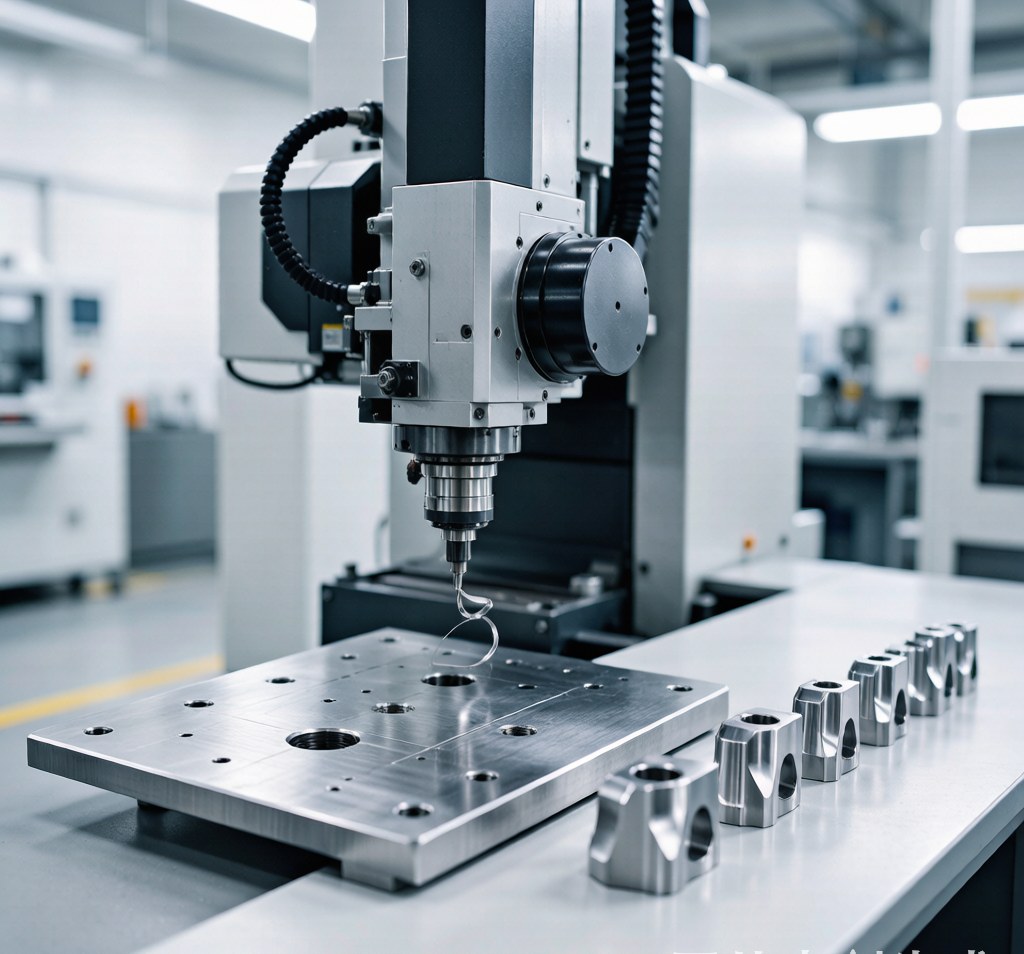
Our CNC drilling service integrates hole-making with milling, tapping, and boring so your part is finished in fewer setups and ships faster. Combined with in-house inspection, you get pattern accuracy you can certify. Send us your drawing for a fast, build-ready quote.

