
CNC Milling Services: Precision Parts from Prototypes to Production
Precision CNC milling turns raw metal stock into complex, tight-tolerance components at scale. Whether you need a handful of prototypes or ten thousand production parts, a well-tuned milling process delivers repeatable accuracy that manual machining cannot match. This guide walks through how CNC milling works, where it beats alternative processes, which materials run best, and how to specify your next order with confidence.

How CNC Milling Works
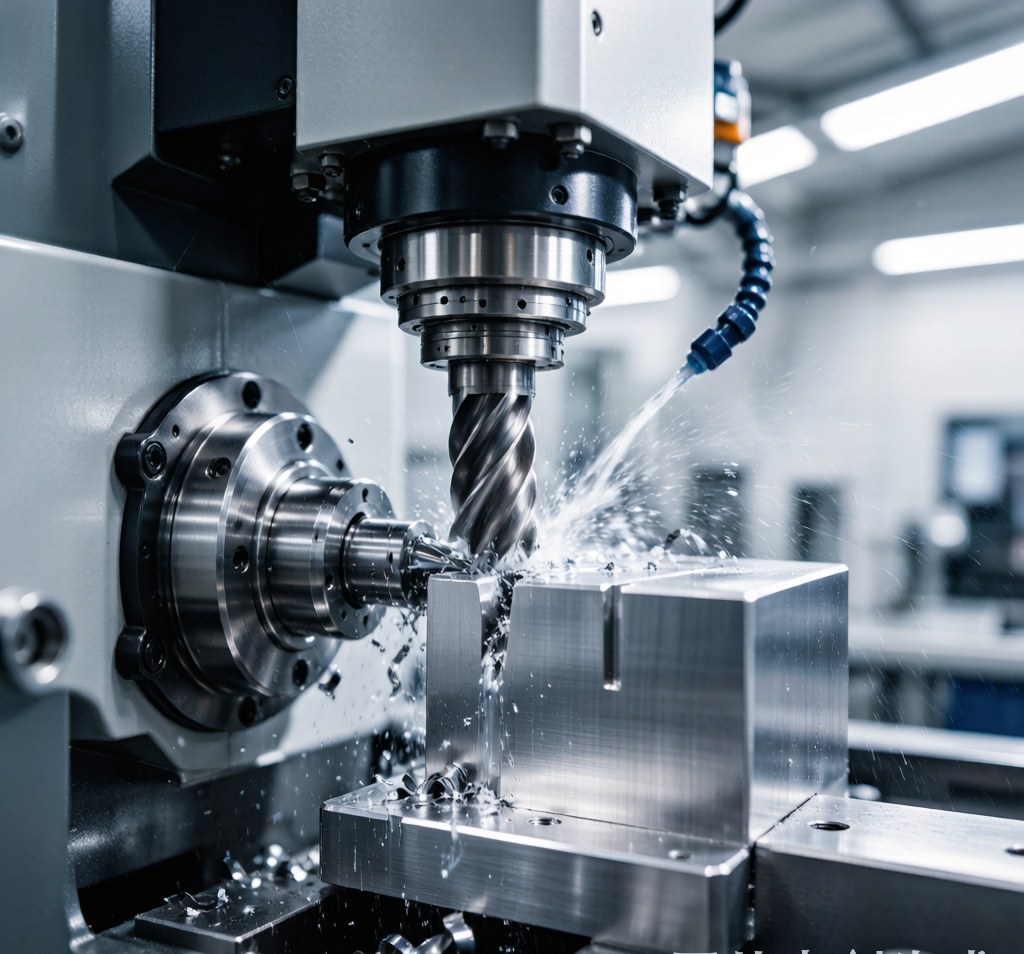
At its core, CNC milling uses a rotating multi-point cutting tool to remove material from a stationary or indexed workpiece. Computer-controlled axes move the spindle and table with micron-level precision, following a toolpath generated from your 3D CAD model. Modern 3-axis machining centers handle the bulk of flat and prismatic parts, while 4- and 5-axis configurations reach undercuts and compound angles in a single setup.
The typical flow is straightforward: import the model, select tooling, define speeds and feeds, run a simulation, then machine. A finished part often needs only light deburring before inspection. Because the program is digital, the 10,000th part is identical to the first.
CNC Milling vs. Other Processes
Milling is the most versatile subtractive method, but it is not always the cheapest. Compared with CNC turning, milling excels at non-cylindrical features—slots, pockets, contours, and angled faces—while turning is faster for round shafts. Versus casting or forging, milling produces far tighter tolerances and better surface finish without expensive tooling, making it ideal for low-to-mid volume production and rapid iteration.
Materials We Mill
- Aluminum alloys (6061, 7075) — lightweight, excellent machinability, the default for prototypes.
- Stainless steels (303, 304, 316) — corrosion-resistant, common in medical and food-grade parts.
- Carbon and alloy steels — for strength-critical brackets and tooling.
- Brass and copper — electrical and decorative components.
- Engineering plastics (PEEK, Delrin, nylon) — insulators and wear parts.
- Titanium and Inconel — aerospace and high-temperature applications.
Industries That Rely on CNC Milling
Aerospace, automotive, medical devices, robotics, and electronics all depend on milled parts. From structural brackets and heat sinks to surgical instrument bodies and connector housings, milling delivers the dimensional stability these sectors demand. Tight process control also supports traceability requirements for regulated industries.
How to Spec Your CNC Milling Job
- Share a clean 3D model (STEP or IGES) plus a 2D drawing with critical dimensions and tolerances.
- Flag the critical features — datum surfaces, bore diameters, and flatness callouts get priority.
- Choose material and finish — anodizing, powder coating, or bead blasting where appearance matters.
- State quantity and timeline so we can pick the right batch strategy and fixturing.
- Note the end-use environment — temperature, load, and exposure drive material and tolerance choices.
FAQ
What tolerance can CNC milling hold?
Standard commercial tolerance is ±0.05 mm, with ±0.01 mm achievable on critical features using calibrated equipment.
Is milling cost-effective for prototypes?
Yes. With no hard tooling required, a one-off milled part is often delivered in days at a fraction of the cost of casting tooling.
Can you mill both metal and plastic?
Absolutely. We run metals and engineering plastics on the same centers with material-specific tooling and parameters.
Why Choose Huaxiao for CNC Milling
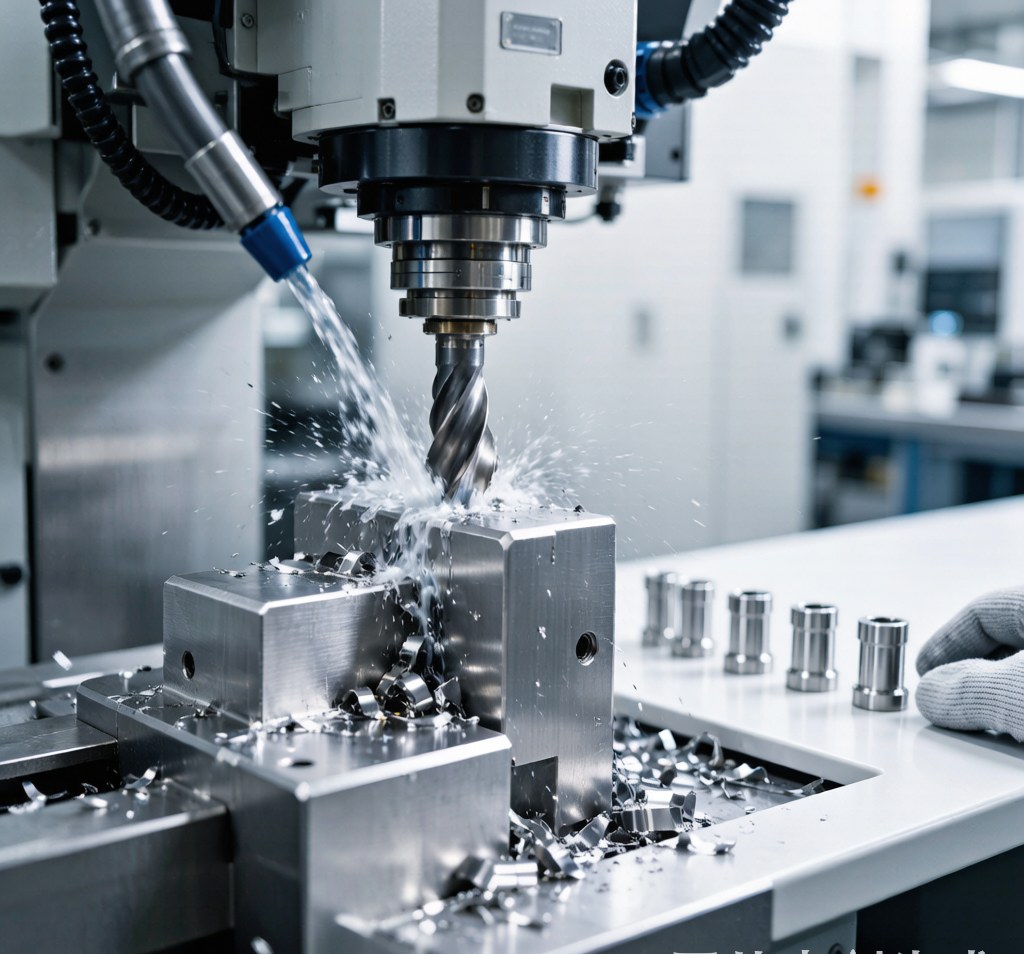
Our CNC milling service combines multi-axis centers, experienced programmers, and in-house inspection to ship parts that fit the first time. We support everything from a single prototype to ongoing production runs, with DFM feedback that reduces cost before the first chip is cut. Request a quote with your drawing and let our team turn around a competitive, build-ready proposal.

