
Cold Forging Services: Tight-Tolerance Net-Shape Parts
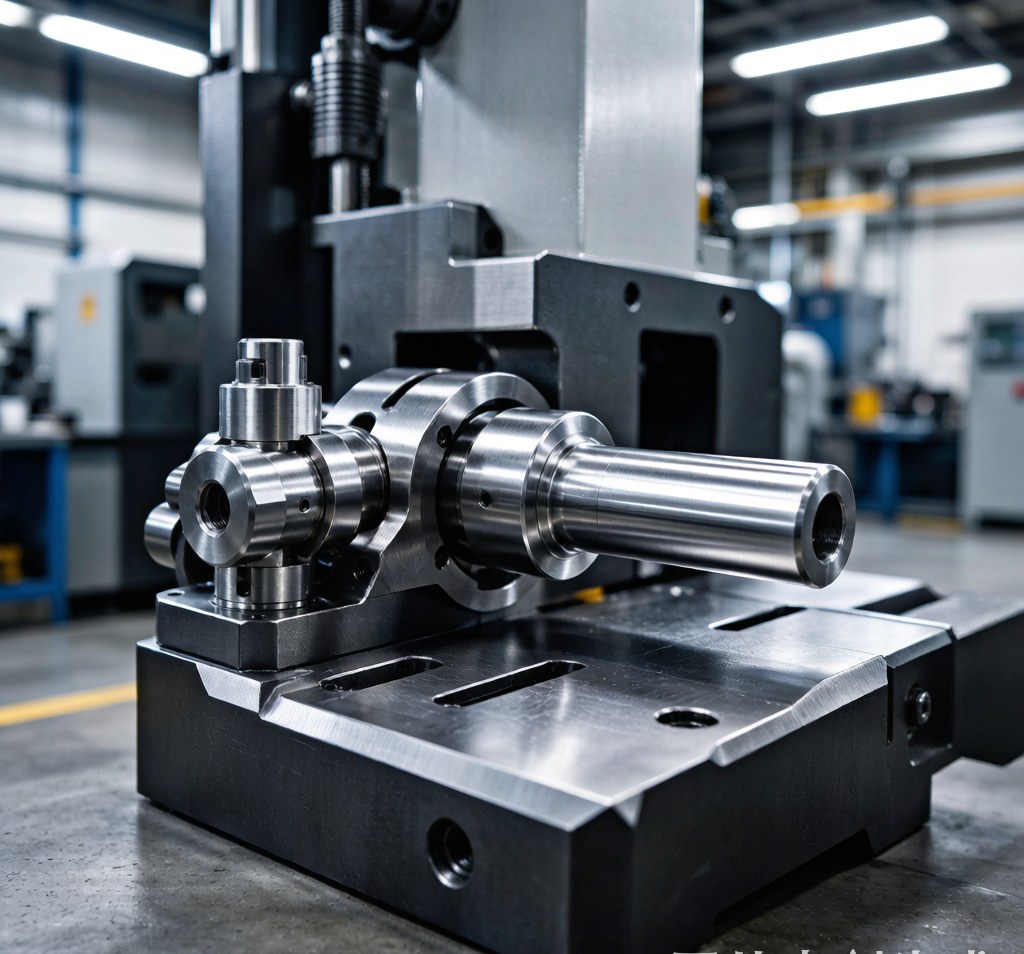
Cold forging forms metal at room temperature, so the part work-hardens and holds very tight tolerances with a great surface—often net-shape, needing little machining. For high-volume fasteners and precision parts, it is fast and economical. This guide covers how it works, when to choose it, the materials, and how to spec your job.

How Cold Forging Works
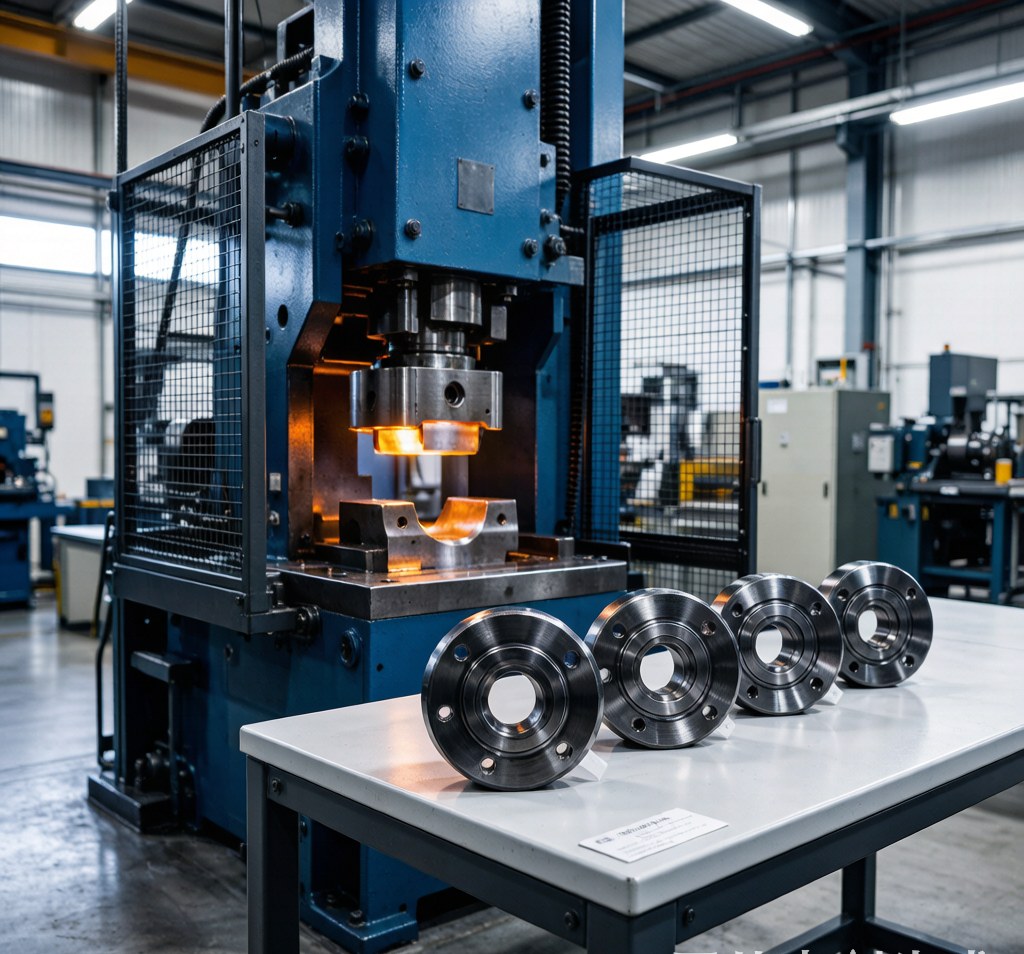
A punch drives a blank into a die at room temperature; the material flows and work-hardens. We often add CNC milling only for features cold forging can’t reach, keeping cost low.
Cold vs. Hot Forging
Compared with hot forging, cold forging gives tighter tolerances, a stronger surface layer, and almost no scrap—but needs more press force and suits smaller parts. Choose cold for volume and precision.
Materials We Cold-Forge
- Low-carbon and alloy steels—fasteners and fittings.
- Aluminum—lightweight components.
- Brass and copper—electrical and plumbing parts.
Industries That Rely on Cold Forging
Fasteners, automotive drivetrain, bearings, and fittings all use cold forging for economic, consistent volume.
How to Spec Your Cold Forging Job
- State the material and grade.
- Define tolerances—cold forging holds them tightly.
- Set volume to justify tooling.
- Specify any coating (zinc, etc.).
- Note machined operations to follow.
- Share the feature list that must be net-shape.
FAQ
How precise is cold forging?
Very—often net-shape within tenths of a mm.
Is there scrap?
Almost none; the blank becomes the part.
Does it strengthen the part?
Yes—work hardening raises surface hardness.
Why Choose Huaxiao for Cold Forging
Our cold forging service delivers tight-tolerance, low-waste parts with integrated machining. Send your drawing for a quote covering tooling through finishing.

