
Custom Metal Fabrication Services: A Buyer’s Guide to Getting Parts Right
Custom metal fabrication turns your drawings into production-ready parts—combining cutting, forming, machining, joining, and finishing under one roof. For procurement and engineering teams, the hard part is choosing the right process mix and a supplier who can hold tolerances without surprise costs. This guide breaks down the processes, materials, sourcing models, and the questions that separate a reliable fabricator from a risky one.

Which Fabrication Processes Do You Actually Need?
Most parts are a stack of operations, not a single one. A bracket might be laser cut from plate, CNC bent, welded, and powder coated. A housing might be CNC milled then anodized. Mapping the process chain up front is the single biggest lever on cost and lead time.
Core Processes We Run
- CNC machining — milling, turning, drilling, and grinding for tight-tolerance features.
- Sheet metal — cutting, punching, bending, and welding of thin-gauge parts.
- Laser cutting — fast, burr-free profiles in steel, stainless, and aluminum.
- Forging & casting — for strength-critical or high-volume near-net shapes.
- Assembly — welded, riveted, bolted, and adhesive-bonded sub-assemblies.
- Combined processes — forge+machine, cast+machine, laser-cut+bend+weld+coat.
Materials: Match the Metal to the Job
Aluminum is the default for lightweight, corrosion-resistant, and thermally stable parts. Stainless steel wins for hygiene and harsh environments. Carbon steel and alloy steels carry load and wear. Brass and copper serve electrical and thermal roles. Our material consulting team helps you trade cost against performance before any metal is cut.
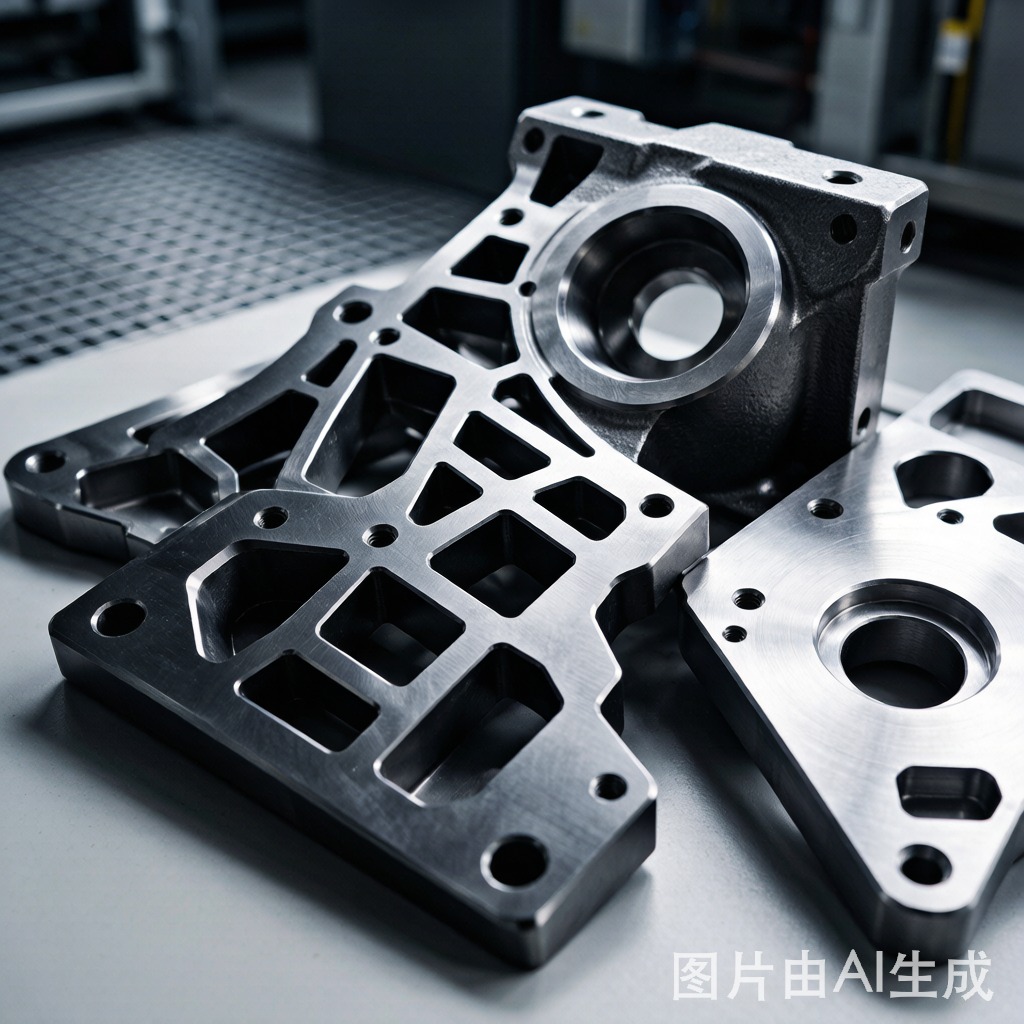
Make vs. Buy: In-House vs. Contract Fabrication
Buying from a contract fabricator beats in-house when volumes fluctuate, when you need multiple processes, or when capital for equipment is better spent elsewhere. The right partner scales from prototype to production without a second supplier—see how OEM services and ODM services fit different ownership models.
How to Spec a Fabrication Job for Fewer Surprises
- Send a 3D model plus a 2D drawing with critical dimensions and datums called out.
- Flag the features that drive cost—tight tolerances, thin walls, deep pockets.
- Choose finish and coating early (anodize, powder coat, galvanize) so it is planned, not patched on.
- State quantity and cadence to lock the right batch and fixturing strategy.
- Ask for DFM feedback—our DFM support often strips cost before the first chip.
FAQ
What is the typical lead time?
Prototypes in days, production batches in one to three weeks depending on process mix and finishing.
Can one supplier handle machining, welding, and coating?
Yes. Consolidating under one roof avoids hand-off errors and reduces total lead time.
How do you control quality?
In-house inspection, first-article reports, and documented processes keep parts consistent from lot to lot.
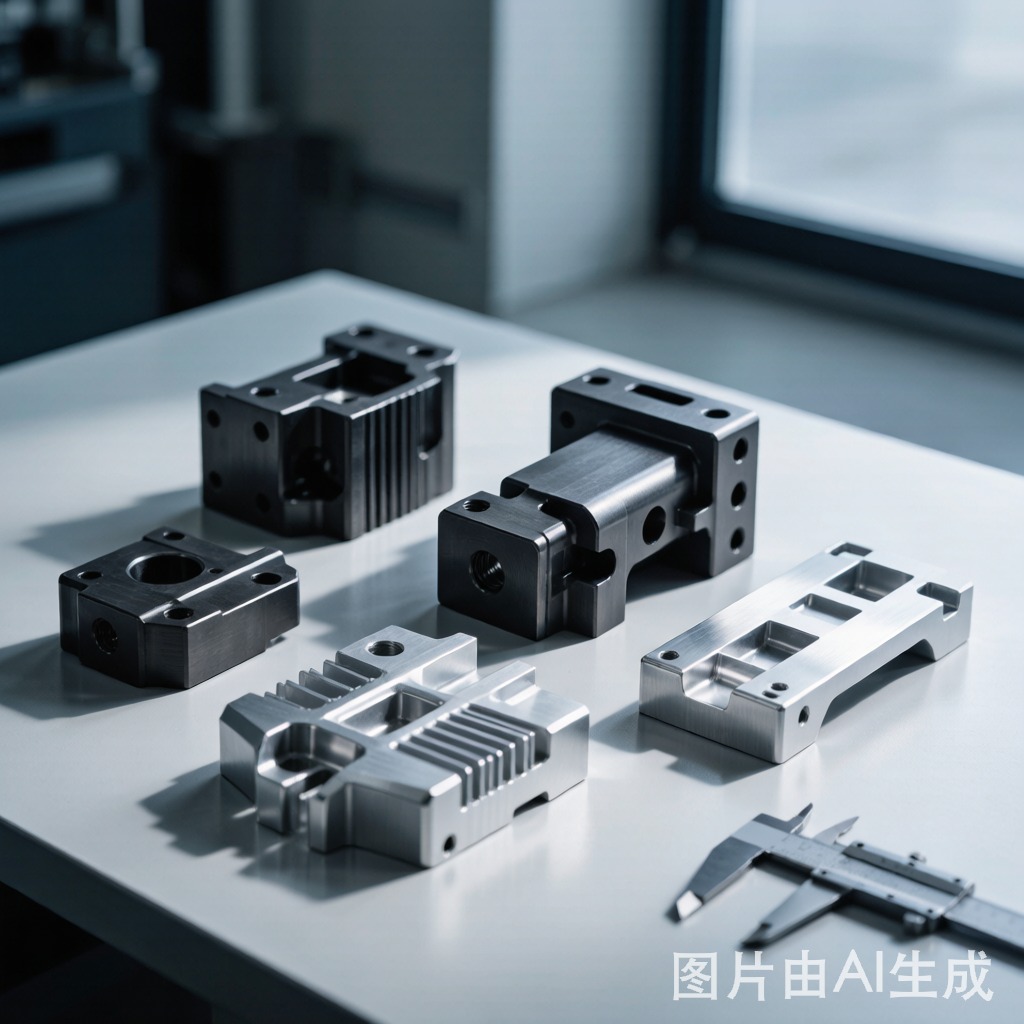
Why Choose Huaxiao for Custom Metal Fabrication
Our custom metal fabrication service unifies CNC machining, sheet metal, welding, and finishing with DFM feedback and inspection—so your parts ship right the first time. Upload your drawings for a competitive, build-ready quote and a process plan tailored to your volume.

