
Deburring Services: Clean, Safe, Assembly-Ready Edges
Deburring removes the sharp edges and raised burrs left by cutting, stamping, and machining so parts are safe to handle and ready to assemble. A leftover burr can cut an operator, jam a fit, or break off inside an assembly—so consistent deburring is a quality gate, not a nicety. This guide covers how it works, the methods, when to choose it, and how to spec your job.

How Deburring Works
After machining such as CNC milling or laser cutting, a thin lip of metal remains on the exit edge. Deburring knocks that off by tumbling, brushing, abrasive flow, or hand work, leaving a safe, uniform edge. We often pair it with polishing when a finer edge is needed.
Deburring Methods
- Vibratory / tumble—high-volume, consistent edge break.
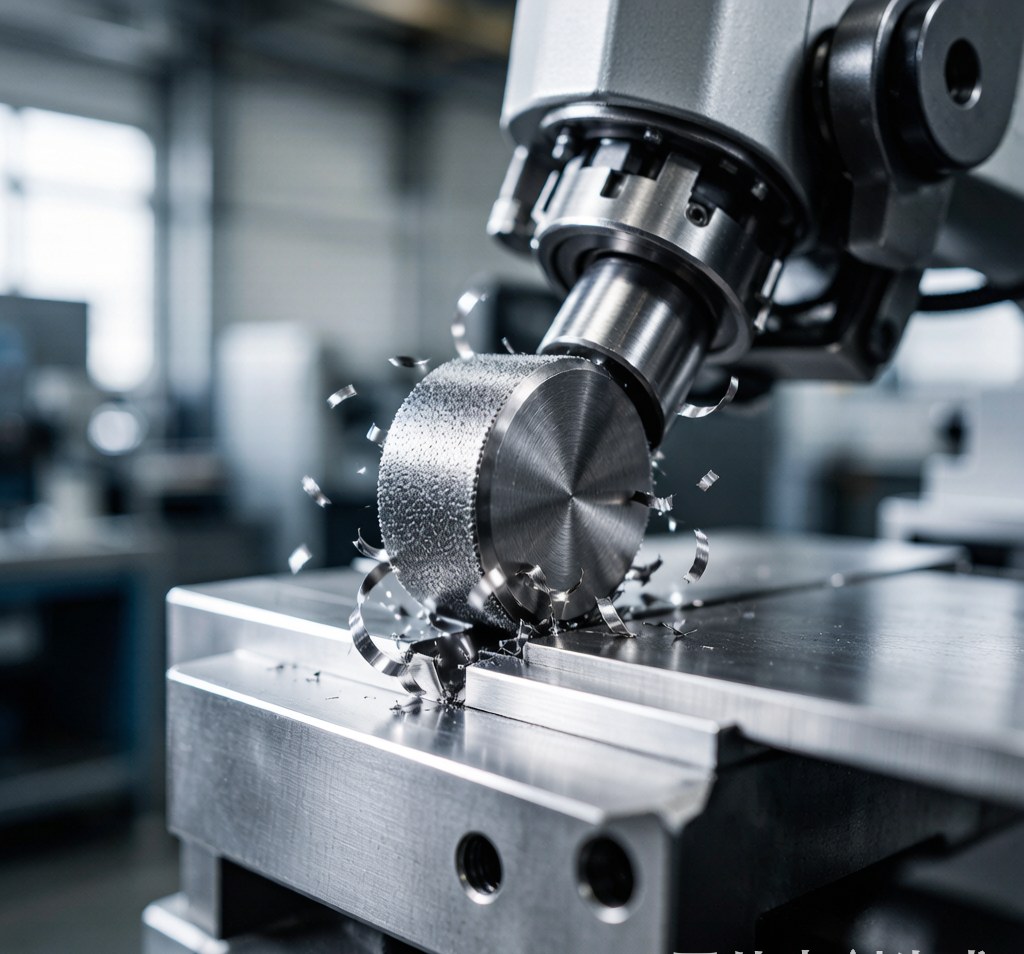
- Brush and spindle—targeted edges on larger parts.
- Abrasive flow—for internal channels and holes.
- Manual—for low volume and critical features.
When Deburring Matters Most
Burrs block sealing surfaces, interfere with press fits, and shed debris into assemblies. Any part that must seal, slide, or be handled repeatedly needs a controlled edge break.
Industries That Rely on Deburring
Hydraulics, medical devices, gears, and electronics all require burr-free parts for reliability and safety.
How to Spec Your Deburring Job
- State the edge-break radius or a “no-burr, safe-to-handle” note.
- Flag critical features that must not be touched.
- Define the method if process-sensitive (e.g. abrasive flow).
- Note any cosmetic standard for visible edges.
- Share volume so we pick tumble vs. manual.
- Flag downstream needs (seal, fit, coating adhesion).
FAQ
Does deburring change size?
Only at the edge—the body stays in tolerance.
Can it be automated?
Yes—tumble and brush lines handle volume consistently.
Is it needed before plating?
Often yes; a burr under a coating can later flake.
Why Choose Huaxiao for Deburring
Our deburring service delivers consistent, safe edges integrated with your machining and finishing. Send your drawing for a quote covering the full process chain.

