
DLC Coating Services: Ultra-Hard, Low-Friction Surfaces
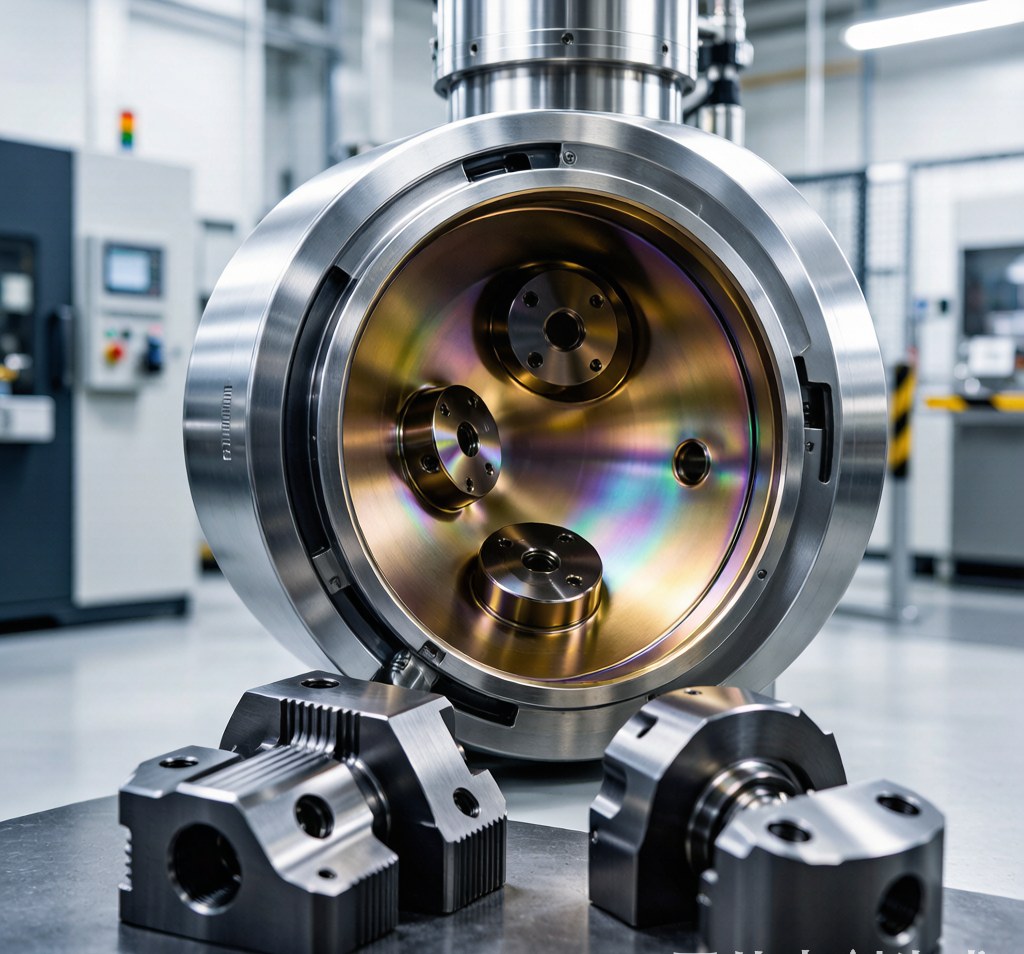
DLC coating (diamond-like carbon) is a metastable carbon film that combines the hardness of diamond with the low friction of graphite. Deposited by plasma in a vacuum chamber, it gives cutting tools, fuel injectors, and medical instruments a surface that resists wear and runs cooler. When a part must survive high contact stress without lubrication, DLC is often the only answer. This guide covers how it works, when to choose it, its properties, and how to spec your job.

How DLC Coating Works
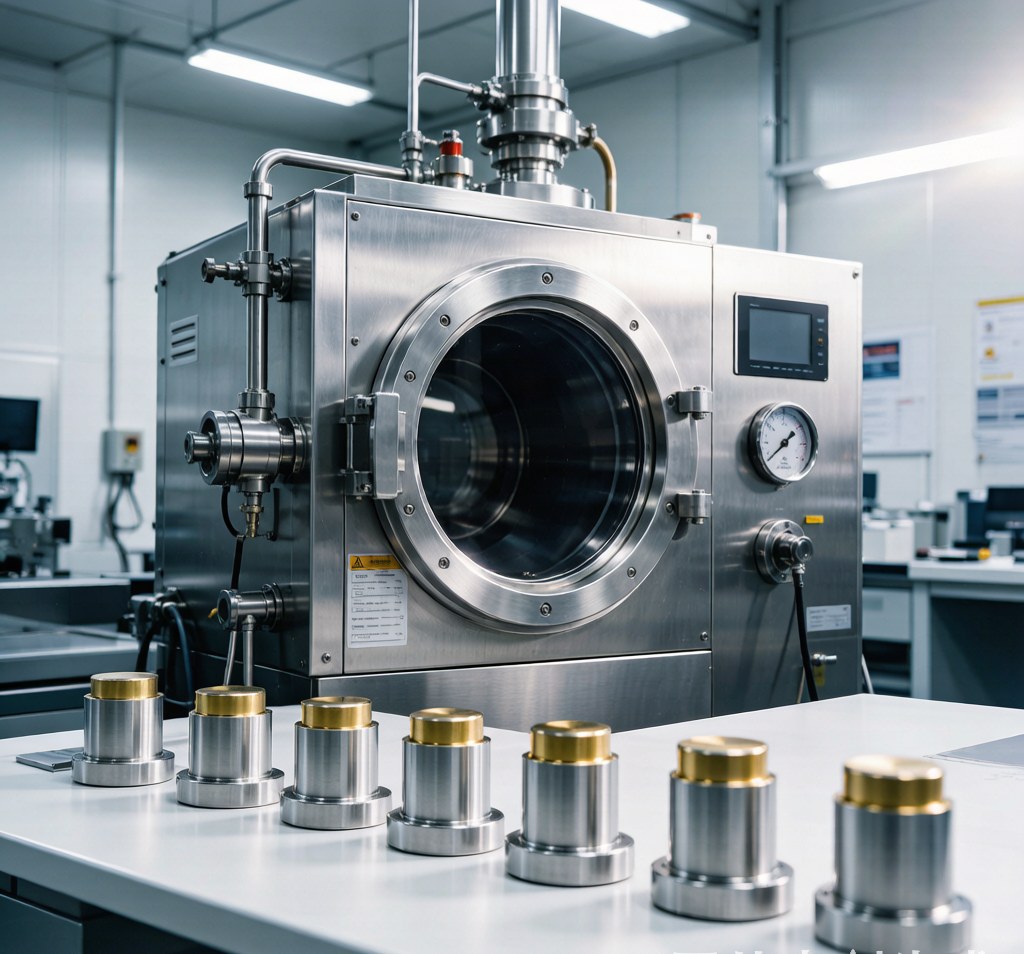
DLC is applied by physical vapor deposition: a hydrocarbon gas is ionized in a vacuum, and carbon ions condense onto the heated part as an amorphous diamond-like layer a few microns thick. An interlayer (often chromium or tungsten) bonds the film to the substrate. We usually apply DLC to already-hardened parts—often after heat treatment—so the substrate carries the load while the coating handles the surface.
DLC vs. PVD and Chrome Coating
Compared with a standard PVD coating, DLC is harder and far slicker; compared with chrome plating, it adds almost no thickness and produces no hexavalent-chrome waste. DLC costs more, but on high-value tooling the extended life pays for itself many times over.
Properties That Matter
- Hardness—up to ~2000–4000 HV depending on hydrogen content.
- Friction coefficient—as low as 0.05 against steel, unlubricated.
- Chemical inertness—resists acids, body fluids, and fuels.
- Thin build—typically 1–4 µm, so dimensions are preserved.
Materials We Coat
- Tool steels and carbide—the dominant DLC application.
- Titanium and stainless—with an adhesion interlayer.
- Aluminum—for lightweight medical and automotive parts, using a hard interlayer.
Industries That Rely on DLC
Automotive injectors and valves, surgical instruments, forming and cutting tools, and aerospace actuators all use DLC to cut friction and extend service intervals.
How to Spec Your DLC Job
- State the substrate and its hardness so we select the interlayer.
- Define coating thickness (typically 1–4 µm).
- Specify the friction/life target for the application.
- Note any non-stick or anti-galling requirement.
- Flag critical dimensions that must stay in tolerance.
- Share the operating environment (lubricated, dry, corrosive).
FAQ
Will DLC change my part’s size?
Barely—1–4 µm is negligible for most fits.
Can DLC go on aluminum?
Yes, with a tailored interlayer for adhesion.
Is it biocompatible?
DLC is widely used on surgical instruments and implants.
Why Choose Huaxiao for DLC Coating
Our DLC coating service pairs plasma deposition with pre-hardening and finishing so the substrate and film work together. Send your drawing for a quote covering the full process chain.

