
Hot Forging Services: Dense, Strong Forged Parts
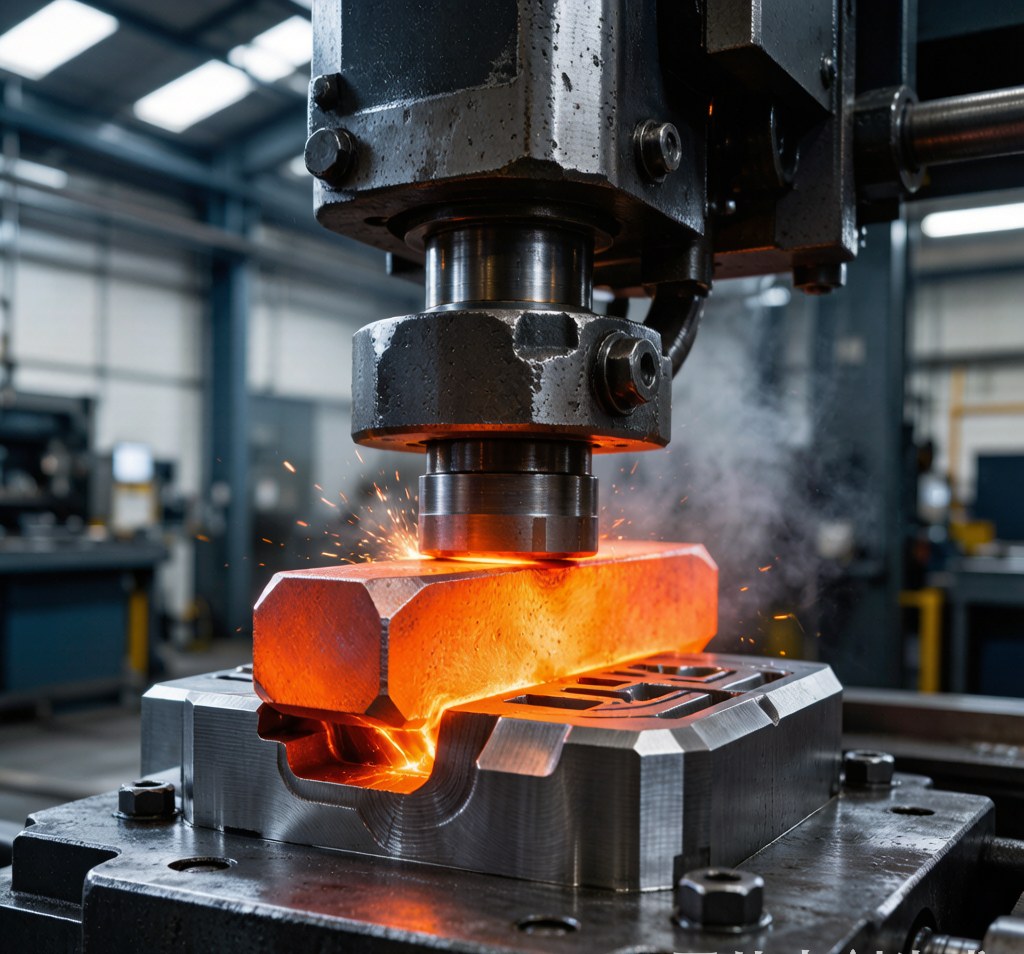
Hot forging shapes metal while it is glowing orange-hot, when it flows easily and needs less force. The result is a dense, fiber-aligned grain structure with excellent strength and fatigue life—ideal for safety-critical parts. This guide covers how it works, when to choose it, the materials, and how to spec your job.

How Hot Forging Works
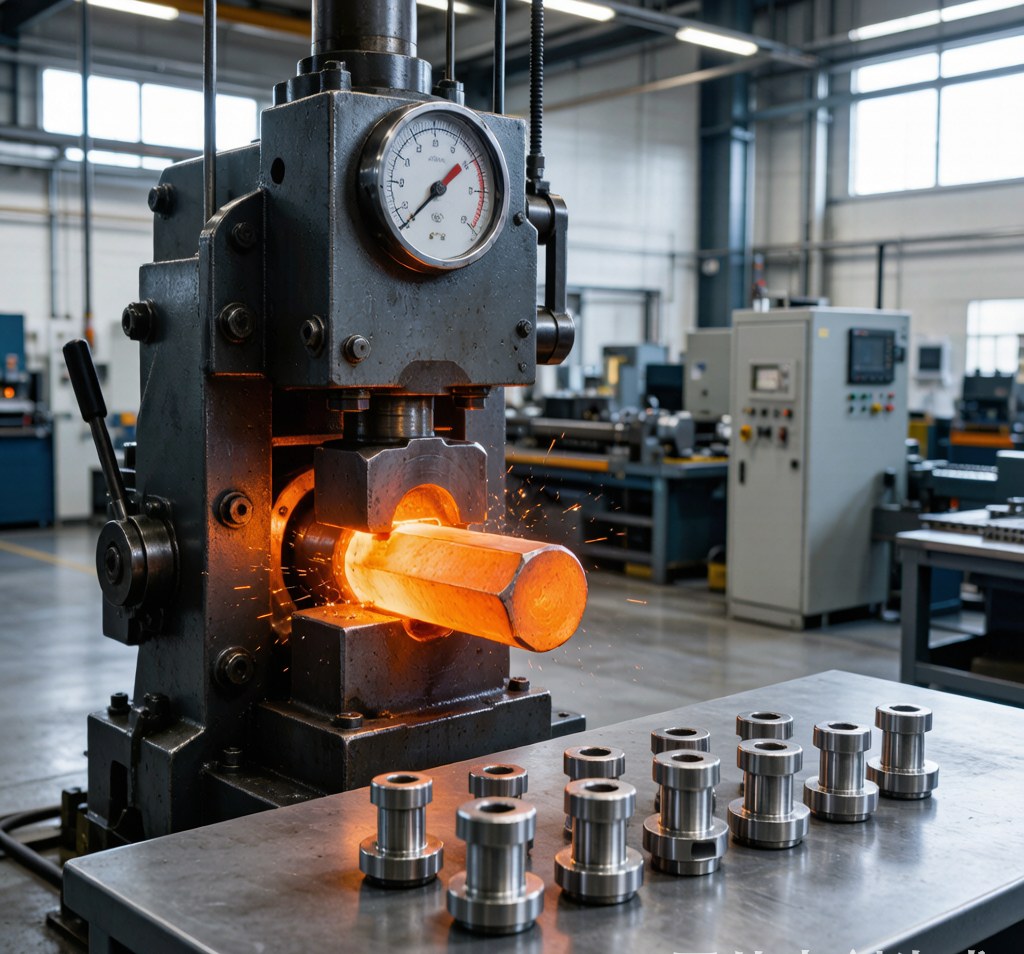
A billet is heated above its recrystallization temperature and struck in a die, so the grain follows the part’s contour. We usually follow forging with heat treatment and CNC milling to bring features to final size.
Hot vs. Cold and Warm Forging
Hot forging handles the largest, most complex shapes with the least force; cold forging gives tighter tolerance and a stronger surface; warm forging sits between. Pick by size, volume, and tolerance.
Materials We Forge
- Carbon and alloy steels—the workhorse forgings.
- Stainless steel—for corrosion service.
- Titanium and aluminum—aerospace and lightweight parts.
Industries That Rely on Hot Forging
Automotive drivetrain, aerospace structural parts, oil & gas, and hand tools all depend on forged strength.
How to Spec Your Hot Forging Job
- State the material and grade.
- Define part weight and shape for die design.
- Set tolerances (forging vs. machined features).
- Specify heat treatment and hardness.
- Note machined features to be added after forging.
- Share volume for die and process choice.
FAQ
How tight are forging tolerances?
Looser than machining; we machine critical features afterward.
Is it net-shape?
Often near-net; some machining is typical.
Why forge vs. machine from bar?
Forging aligns the grain for far better fatigue strength.
Why Choose Huaxiao for Hot Forging
Our hot forging service delivers dense, strong forgings with integrated heat treat and machining. Send your drawing for a quote covering the full forging chain.

