
Cutting flat or profiled metal is a daily decision on the shop floor, and the laser vs plasma question comes up on almost every sheet and plate job. Both turn a CAD file into a cut part quickly, but they differ sharply in edge quality, thickness range, and operating cost. This guide explains when to reach for a laser and when plasma is the pragmatic choice.
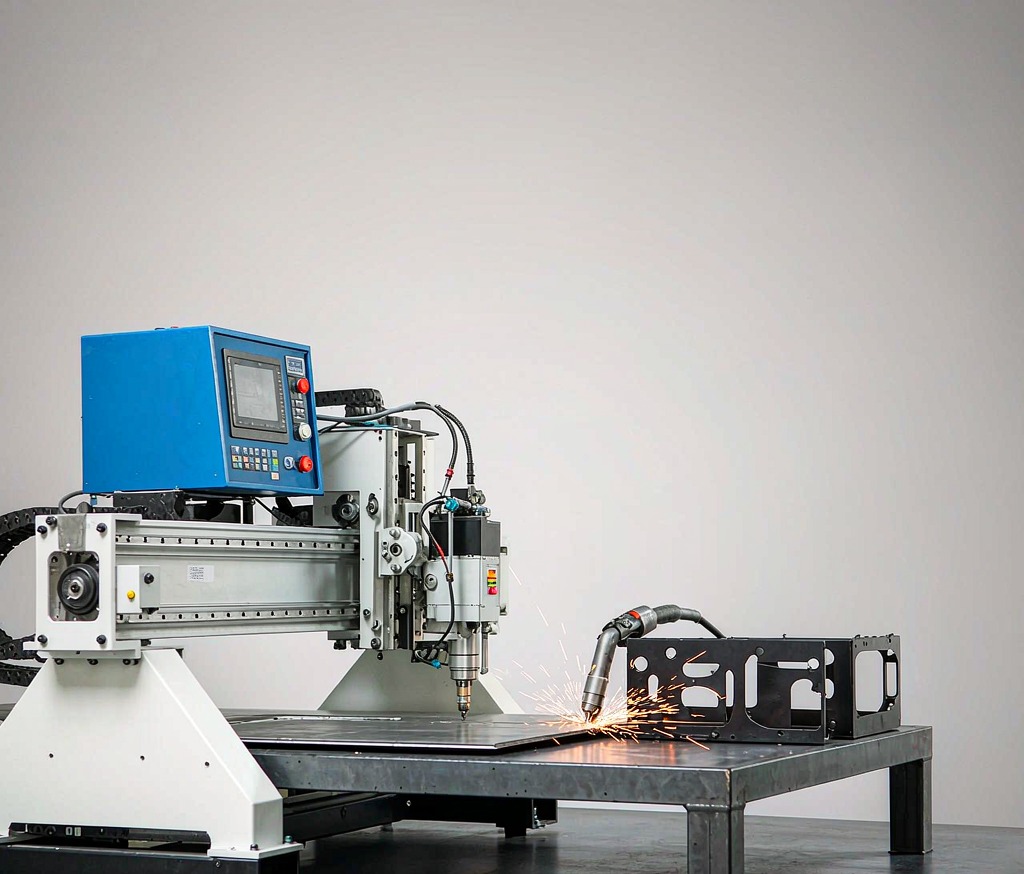
How Laser Cutting Works
Laser cutting focuses a high-power beam to melt and vaporize metal along the cut path, assisted by a gas jet. The beam is extremely fine, so the kerf is narrow and the edge is clean, often needing no secondary finishing. Our sheet metal laser cutting and fiber laser cutting cells deliver tight tolerances on thin-to-medium gauge steel, stainless, and aluminum.
How Plasma Cutting Works
Plasma cutting sends an accelerated jet of ionized gas through the workpiece, electrically conducting heat that melts and blows the metal away. It is fast and forgiving on thick, conductive metals and costs far less to run at heavy gauge. Our plasma cutting services handle plate and structural sections where laser power tapers off.
Edge Quality and Finish
Laser wins clearly on edge quality: square, clean, and narrow, with minimal heat-affected zone. Plasma leaves a wider kerf and a rougher edge that may need grinding. For parts that will be visible or welded without prep, the laser cutting services route usually saves a finishing step. Our fiber laser cutting work is the standard for precision profiles.
Material Thickness and Speed
Laser excels on thin and medium stock and slows as thickness grows. Plasma stays fast and affordable on thick plate where lasers lose power and speed. If your program is mixed gauge, a combination—laser for thin, plasma for thick—keeps both quality and cost in check.
Tolerance and Heat-Affected Zone
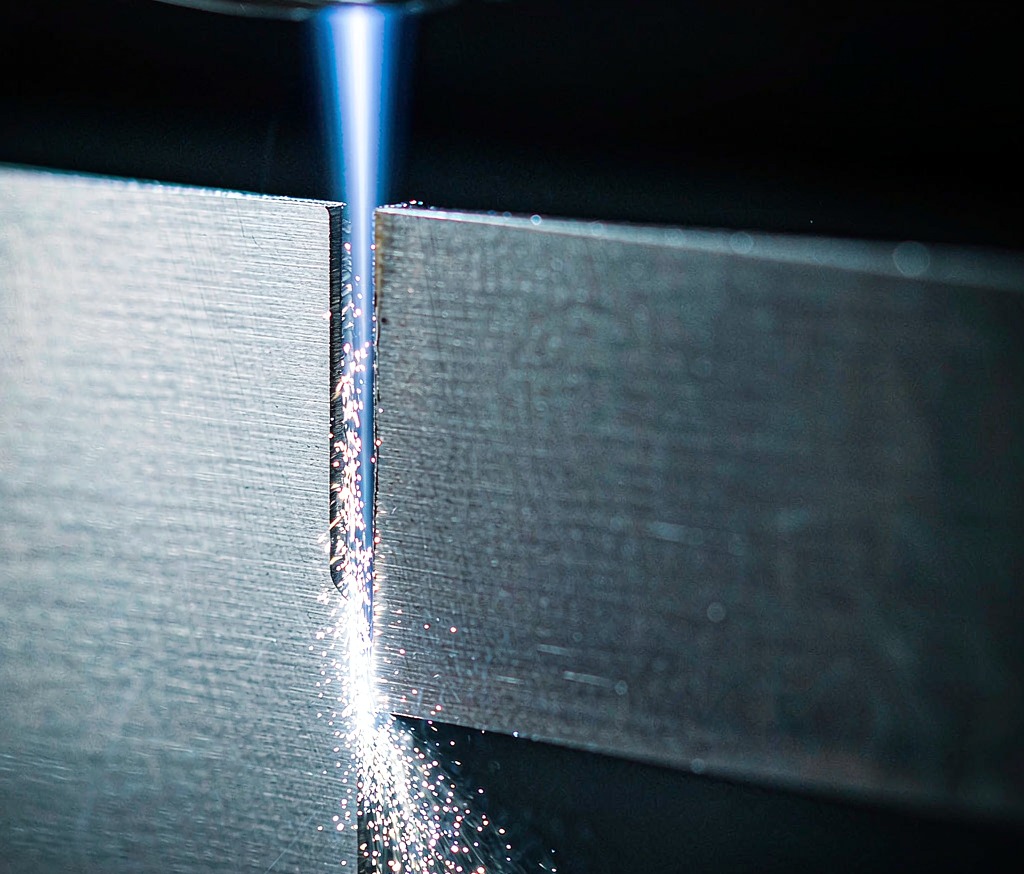
Laser’s tight, low-heat cut preserves nearby material properties and holds finer tolerances, which matters for tightly nested parts and subsequent bending. Plasma’s wider heat-affected zone can slightly distort thin sheets. After cutting, our CNC bending and forming operations build the cut blanks into finished components.
Cost and Throughput
For high-mix, low-volume, or detail-rich work, laser’s speed on thin stock and minimal finishing make it economical despite higher machine cost. For heavy plate and rough blanks at volume, plasma is cheaper per meter of cut. The sheet metal fabrication services team selects the process per blank to balance cost and edge quality.
Which Should You Specify?
Choose laser for thin-to-medium gauge, tight tolerance, clean edges, and intricate profiles. Choose plasma for thick plate, fast rough cutting, and cost-driven structural work. Many shops run both so neither constraint forces a compromise.
Frequently Asked Questions
Is plasma accurate enough for parts?
For structural and thick-plate work, yes. For fine, tightly toleranced thin profiles, laser is the better fit because of its narrower kerf and smaller heat-affected zone.
Which is cheaper?
Plasma is cheaper per meter on thick metal; laser is cheaper overall when you factor in less finishing on thin, detailed parts.
Can both cut stainless and aluminum?
Yes. Fiber lasers cut them especially well; plasma handles them too, though edge finish is rougher and needs more cleanup.
Let the Blank Dictate the Process
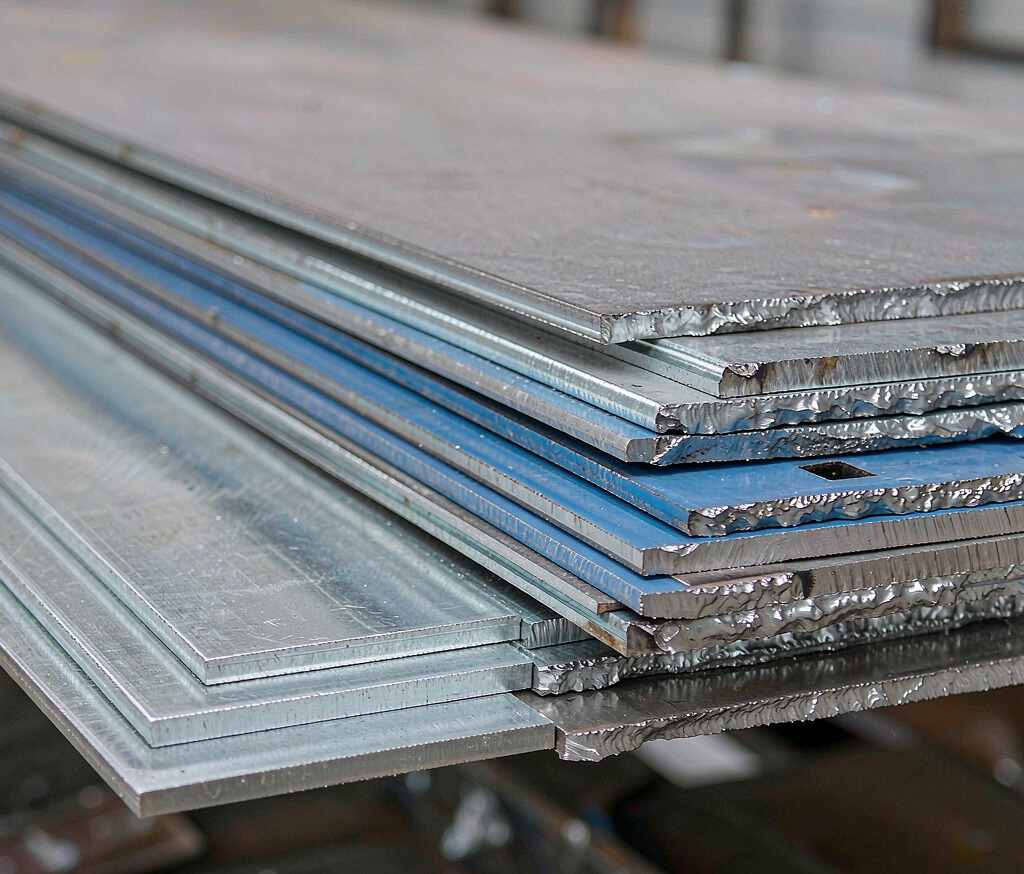
Send us your flat-pattern drawings with gauge and material and we will route each blank to laser or plasma for the best blend of edge quality, tolerance, and cost—then bend, weld, and finish in house.
Ready to Start Your Project?
Get a build-ready quote on your custom metal parts within 24 hours. Share your drawing and our engineers will respond with process, lead time, and pricing.

