
PPAP is the language automotive and tier-1 industrial buyers use to approve a new metal part before it enters serial production. Short for Production Part Approval Process, it is a standardized package that proves a supplier can repeatedly make a part that meets the print, using the real process, tooling, and materials. For a buyer, a complete PPAP is the green light; without it, a promising prototype can stall at the plant gate. Understanding the 18 elements helps you demand the documentation that actually de-risks your supply chain.
The reason PPAP endures is that it shifts quality from inspection to evidence. Instead of hoping a sample is representative, the package demonstrates that the process itself is capable, documented, and controlled. That distinction is what lets a plant run thousands of parts a day without re-checking each one by hand.
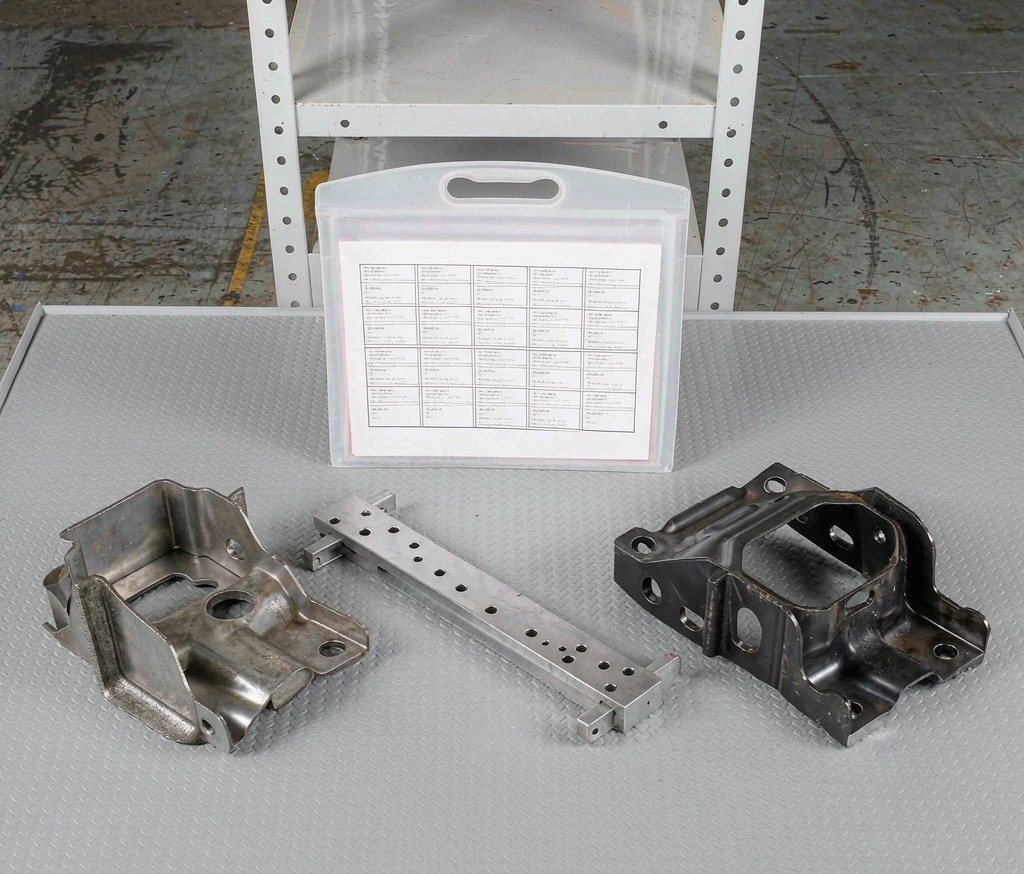
What PPAP Is and Why Buyers Require It
PPAP exists to answer one question before volume starts: can this supplier make this part, this way, every time? It closes the gap between a validated prototype and a repeatable production run. Buyers in automotive, off-road, and industrial equipment require it because a single nonconforming batch can stop an assembly line. When you source CNC milled or die cast components through a PPAP-controlled supplier, you are buying evidence of process control, not just a sample that happened to measure well.
The 18 PPAP Elements
The AIAG PPAP handbook lists 18 possible elements, though not every part needs all of them. Core items include the design record, authorized engineering change, customer engineering approval, a process flow diagram, a process FMEA, a control plan, dimensional results, material and performance test results, an initial process study, a measurement systems analysis, and the part submission warrant. For a cold forged or robotic welded part, the control plan and process study are where most of the real assurance lives, because they show the process is stable, not just the one sample.
Supporting elements such as the process FMEA and the control plan are where a supplier’s thinking shows. A thin FMEA that only lists failure modes without detection methods is a red flag, while a control plan tied to actual gauging proves the part will be checked the same way every shift.
When PPAP Is Triggered
PPAP is required for a new part, a change in source or process, a tooling transfer, a material change, or a correction of a previous discrepancy. Even a relocated production line can trigger a new submission. Surface and special processes matter too: an anodized or heat treated finish must be covered by its own certifications inside the package. Knowing the triggers lets you require a fresh PPAP instead of assuming the old approval still applies after a change.
How a Supplier Delivers a Compliant Submission
A capable supplier builds PPAP from the first prototype, not at the last minute. That means locked drawings, a documented process flow, gage studies, and a capability run on the actual production line. The deliverable is a warrant signed at the correct level, typically Level 3: samples plus full documentation. Buyers should read the dimensional results against the ballooned drawing and confirm the process study shows a capable, centered process before signing off.
Reading the Capability Study
The initial process study is where most buyers should spend their attention. A process with a high capability index, centered between limits, is one you can run without fear. A capable index built on a shifted mean or a tiny sample is a warning that the line will drift the moment volume rises. Learning to read that one page separates a useful PPAP from a decorative one.
PPAP for Low-Volume and Prototype Buys
PPAP is not only for million-piece automotive runs. Even a low-volume industrial buy benefits from a scaled submission: the design record, a control plan, and dimensional results prove the supplier understood the print. Many shops offer a partial PPAP at a lower level for prototypes, which is enough to catch drawing misunderstandings before tooling is cut. The key is to agree the level up front so neither side expects a full 18-element package where a lighter one was planned.
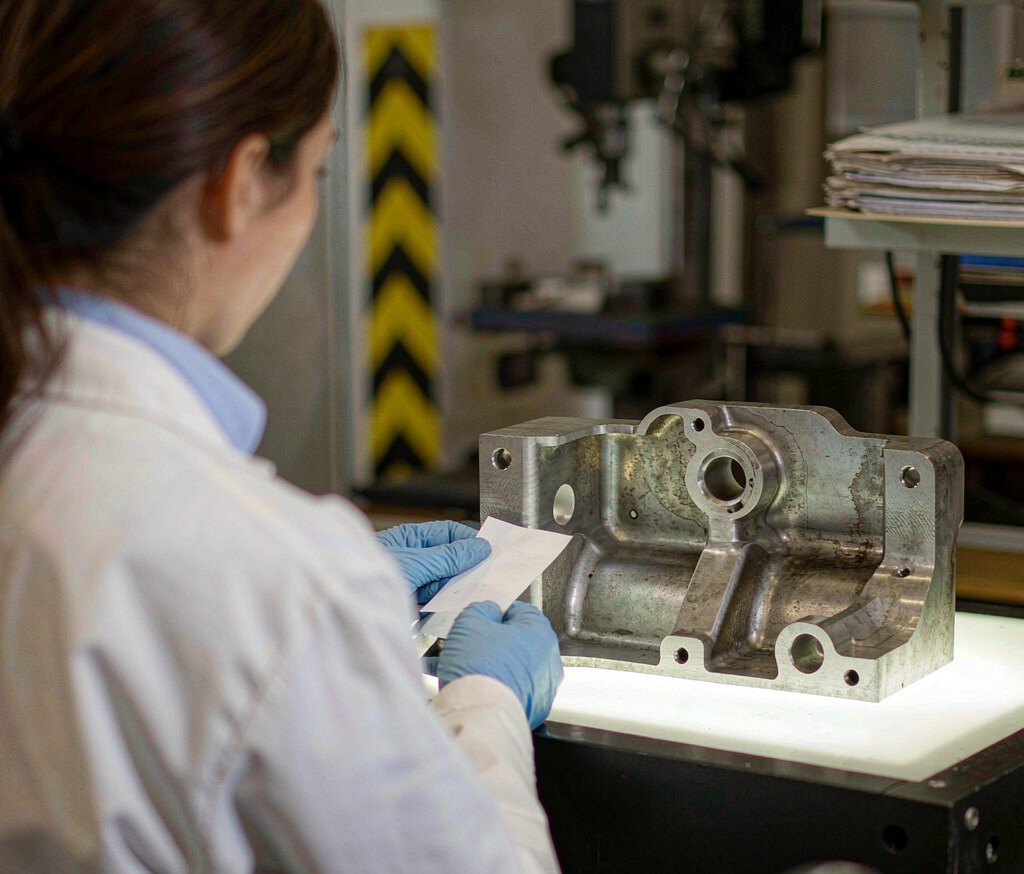
Tying PPAP to Your Sourcing Strategy
PPAP is most valuable when it is a selection criterion, not an afterthought. Suppliers who treat it as routine signal maturity. Our coverage of automotive metal parts shows how approval discipline fits high-volume programs, while our notes on metal part quality control place PPAP inside the wider quality system. For the measurement backbone behind the dimensional results, see CMM inspection services.
Frequently Asked Questions
What PPAP level do most buyers require?
Level 3 is the default for production parts: the part samples plus full documentation, excluding only bulk samples and some records retained at the supplier. Customer-specific specs can shift this.
Does a PPAP expire?
It remains valid until a triggering change occurs, a customer requests re-submission, or an annual review clause applies. A tooling move or material swap typically forces a new PPAP.
Can PPAP cover multiple part numbers?
Only if the parts are truly identical in process and tooling. Families of similar parts still usually need their own dimensional results and submission warrants.
Approve With Evidence, Not Hope
A PPAP is not paperwork, it is proof. Demand the full package, read the capability data, and your production launches stop depending on luck. The suppliers who hand you a complete, readable submission are usually the ones whose parts behave on the line.
Ready to Start Your Project?
Get a build-ready quote on your custom metal parts within 24 hours. Share your drawing and our engineers will respond with process, lead time, and pricing.

