
When a part must fit, seal, or rotate to micron-level accuracy, only disciplined precision machined components will do. Aerospace, medical, optical, and semiconductor buyers live and die by tolerance, repeatability, and traceability. This guide explains what makes a component “precision,” which CNC processes deliver it, and how we hold tight tolerances at production scale.
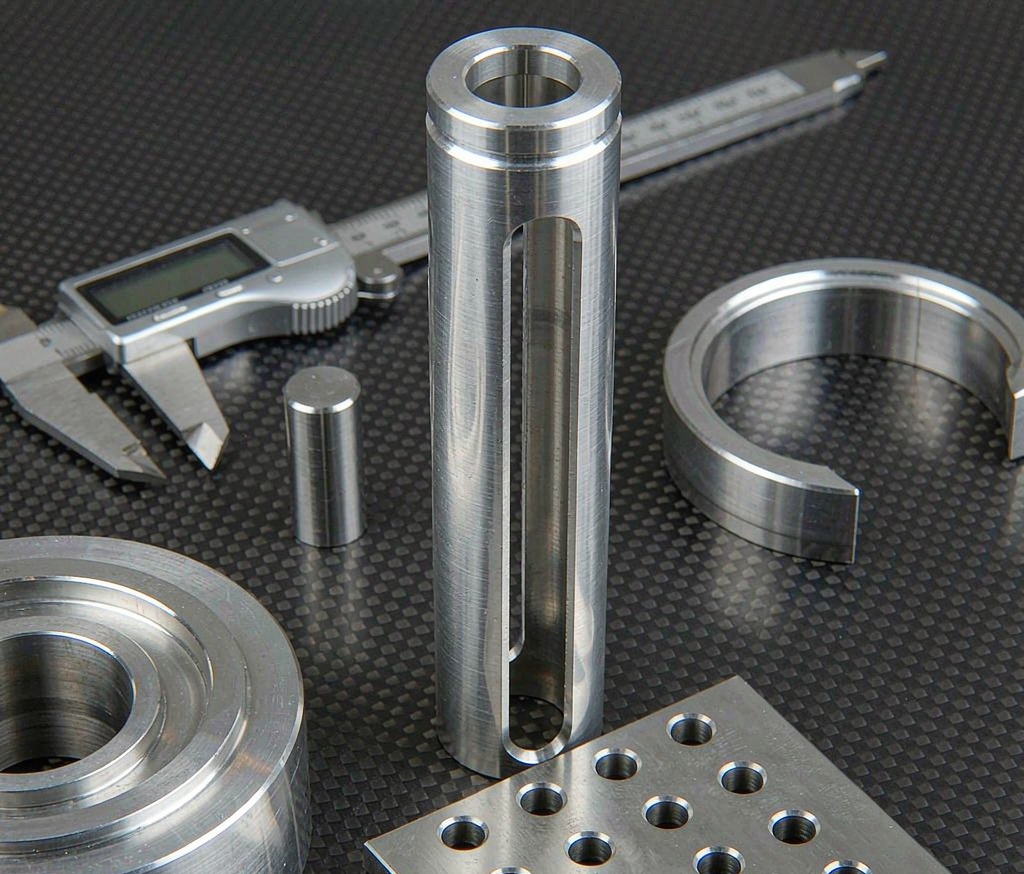
What Defines a Precision Component
Precision is not just a small number on a drawing — it is the whole system: stable machine tools, controlled environments, calibrated instrumentation, and verified processes. A precision part typically calls for tolerances in the few-micron range on critical features, with full documentation. We treat CNC milling and CNC turning as controlled processes, not just equipment, so every piece matches the first.
It also means designing for the capability you actually have. A print that calls for tolerances tighter than the process can hold simply generates scrap. Good precision work starts by agreeing which features are truly critical and holding those hard while relaxing the rest.
CNC Processes for Tight Tolerances
5-axis CNC machining holds geometry across multiple faces in a single setup, removing the error that comes from re-fixturing. Swiss turning is unmatched for long, slender, high-precision shafts and pins. Where flatness and roundness dominate, CNC grinding and CNC boring finish the critical surfaces. The right process mix — planned by our CNC machining services team — is what delivers both accuracy and throughput.
Each process covers a different failure mode. Grinding wins on flatness and finish; boring wins on deep-hole roundness; Swiss wins on length-to-diameter ratio. Matching the process to the tolerance is how we hit the print without gold-plating the method.
Material Considerations
Aluminum, stainless steel, brass, titanium, and engineering plastics each behave differently under the tool. Thermal growth, work hardening, and residual stress all fight your tolerance. We select tooling, coolant strategy, and sequencing to keep the part stable, then verify. Our precision machined parts program documents material certs and lot traceability for regulated industries.
Plastics add their own twist — they creep and absorb moisture, so tolerances must be specified at a defined condition. We account for that in both machining and inspection so the number on the report means the same thing as the number on the drawing.
Inspection and Quality Control
Precision without measurement is guesswork. We use CMM and in-process gauging, first-article inspection, and statistical process control to confirm every critical dimension. Our 5-axis CNC machining and Swiss turning lines are paired with inspection so out-of-tolerance parts never ship. Tight process control is why customers trust us for flight- and patient-critical components.
Industries Requiring Precision Parts
Aerospace actuators, medical instruments, optical mounts, semiconductor tooling, and robotics all depend on parts that simply cannot be wrong. Our CNC machining tolerances guide helps designers set achievable specs that protect function without inflating cost.
Tolerances: How Tight Is Too Tight
A common mistake is specifying the tightest tolerance everywhere, which silently inflates cost and scrap. Precision should be spent where it earns its keep: sealing faces, bearing seats, and mating interfaces. Non-critical dimensions can often relax to standard commercial limits without affecting function. During quoting we flag callouts that look tighter than the assembly needs and propose safe reliefs, so the print protects performance without paying for precision you will never use.
This review is where most savings in a precision program come from. A bearing seat held to a few microns is money well spent; a cosmetic edge held to the same limit is waste. We also watch for tolerance stacks: when several tight features combine, the real difficulty is the relationship between them, not any single number. By reviewing the whole feature set together, we find the cheapest way to guarantee the assembly fits.
Precision is also a system, not a single machine. A great spindle with a sloppy inspection plan still ships bad parts, so our in-house measurement and first-article discipline are what make tight numbers trustworthy in production, not just achievable on one heroic setup. When you ask for a precision component, you are really asking for a repeatable process, and that is exactly what we deliver.
If your program is still in design, involve us early. The cheapest precision part is the one designed to be precise in the first place, and a short review before the drawing is frozen prevents the expensive corrections that come after.
Requesting Precision Machining
Share your model, critical-feature callouts, material, volume, and any certification. We return a process plan and quote with inspection strategy. Early DFM from our CNC machining services team prevents over-tight specs that add cost with no functional gain.
Frequently Asked Questions
What tolerance can you hold on precision parts?
We routinely hold a few microns on critical features using 5-axis and Swiss processes with calibrated inspection.
Do you provide inspection reports?
Yes. First-article inspection, CMM reports, and lot traceability are available for regulated applications.
Which process is best for long slender pins?
Swiss turning is purpose-built for long, precise, small-diameter components with excellent surface finish.
Can precision parts scale to production?
Absolutely. Tight process control lets us repeat first-article accuracy across thousands of pieces.
How do you keep parts stable during machining?
We control coolant, tool path, and sequencing to limit thermal growth and residual stress, then verify on calibrated equipment.
Ready to Start Your Project?
Get a build-ready quote on your custom metal parts within 24 hours. Share your drawing and our engineers will respond with process, lead time, and pricing.

