
Sandblasting Services: Clean, Profile & Prepare Metal Surfaces
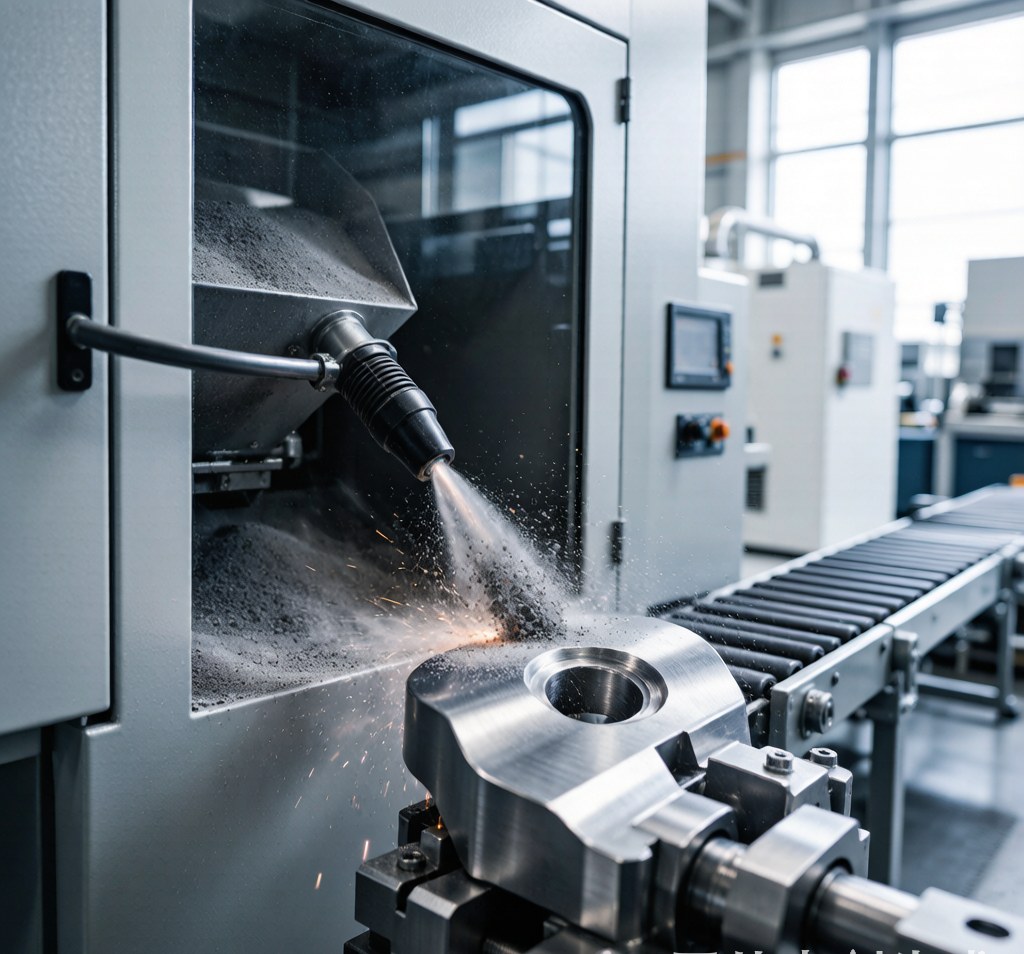
Sandblasting (abrasive blasting) fires a stream of media at a part to clean, texture, or profile its surface. It strips rust and scale, creates a tooth for paint and coating adhesion, and delivers a uniform matte look. As a preparation step before coating or bonding, it is hard to beat. This guide covers how it works, media choices, when to choose it, and how to spec your job.

How Sandblasting Works
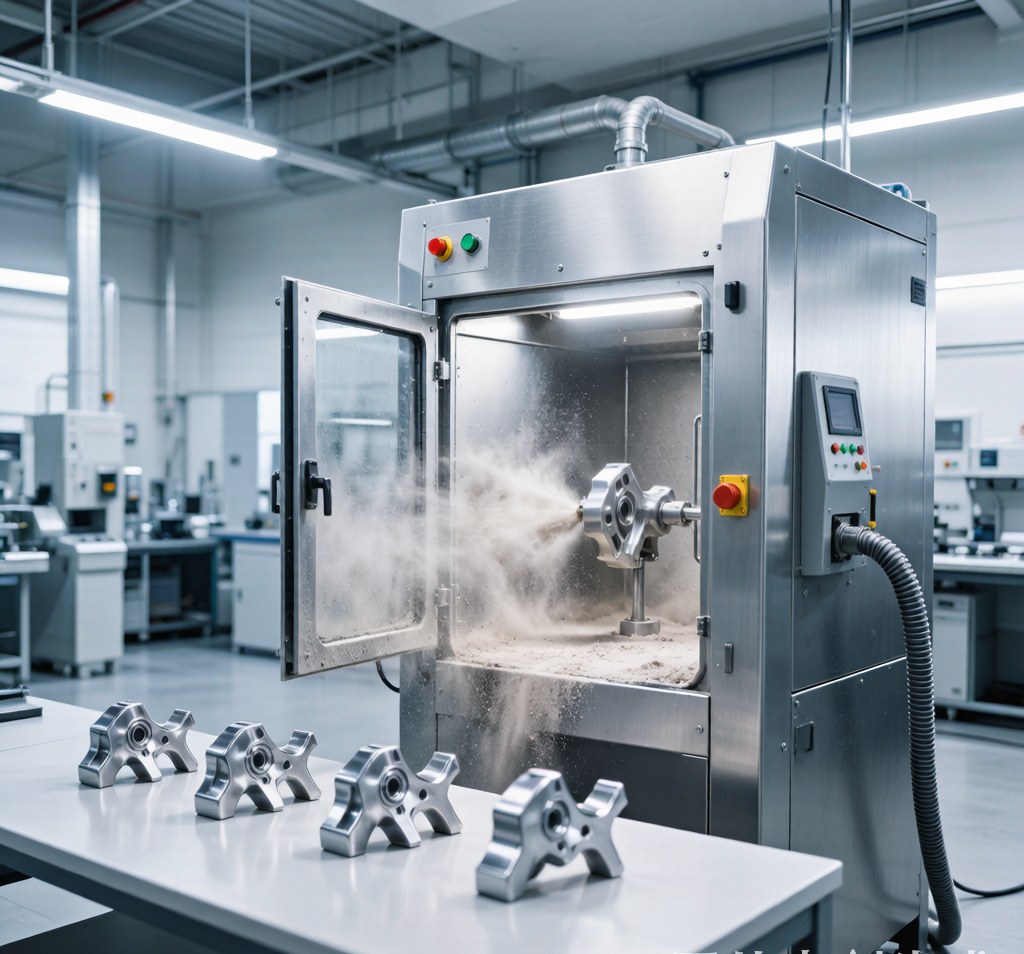
Compressed air propels abrasive media at the part, knocking off contamination and lightly etching the surface. We often blast parts after CNC milling and ahead of powder coating or passivation so the next layer bonds tightly.
Media Choices
- Aluminum oxide—aggressive cleaning and a deep profile.
- Glass bead—a uniform satin, low stock removal.
- Steel grit—fast scale removal on steel.
- Plastic media—gentle, for delicate parts.
When to Choose Sandblasting
Pick blasting when you need to remove rust or scale, create an anchor pattern for paint, or deliver a consistent matte finish across a batch.
Industries That Rely on Sandblasting
Automotive restoration, structural steel, machinery, and consumer hardware all use blasting as the first step to a durable finish.
How to Spec Your Sandblasting Job
- Choose the media for the profile and substrate.
- Define the surface profile (Ra or anchor pattern) for the coating.
- State coverage—full or selective.
- Flag no-blast zones (sealing surfaces, threads).
- Note the substrate and any prior finish.
- Share the next process (paint, coat, bond).
FAQ
Does it change dimensions?
Minimally with glass bead; more with aggressive grit—we control it.
Can aluminum be blasted?
Yes, with the right soft media to avoid embedding.
Is it needed before coating?
Usually—good adhesion starts with a clean profile.
Why Choose Huaxiao for Sandblasting
Our sandblasting service prepares your parts for coating and bonding with a controlled, repeatable profile. Send your drawing for a quote covering blasting through finishing.

