
Shell molding sits in the sweet spot between crude green-sand casting and pricey investment casting. It delivers near-net shapes with a smooth surface and tight tolerance at volumes green-sand cannot match — without the tooling cost of die casting. If you need hundreds to tens of thousands of consistent iron, steel, or aluminum parts, shell molding casting services deserve a look. This guide explains where the process fits and how to design for it.
Castings are where most engineers start when a part is too big or complex to machine from bar. The trap is picking a casting route on unit price alone and ignoring the machining envelope it leaves behind. Shell molding’s real advantage is that smaller envelope — you machine less, scrap less, and ship more consistent parts.
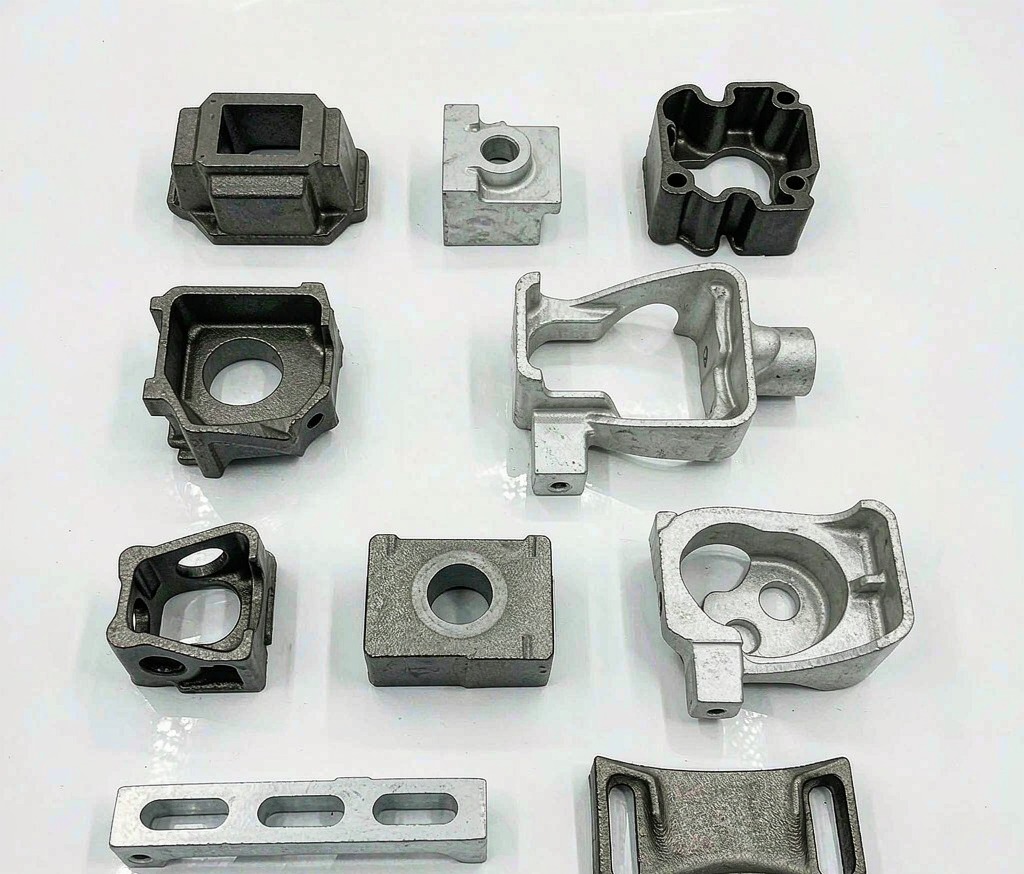
What Shell Molding Is
Shell molding uses a heated metal pattern to cure a thin “shell” of resin-bonded sand around it. The two half-shells are clamped, molten metal is poured, and the shell is shaken off after solidification. Because the mold wall is thin and rigid, the casting copies the pattern closely and the surface stays smooth — no loose sand migration, no rat-tail defects. The resin-bonded shell also holds fine detail better than a green-sand mold, so lettering and part numbers actually read on the casting.
The Process Step by Step
A heated pattern draws a sand-resin shell; the shell cures, is ejected, and the halves are assembled and backed. Pouring fills the cavity; cooling is controlled; then the shell is removed and the part is cut, blasted, and inspected. Compared with sand casting, the mold is far more dimensionally stable, so less machining is needed. Gating and risering are designed so feed metal reaches thick sections last, preventing shrinkage porosity in the places that will carry load.
Tolerances and Surface vs Green-Sand
Shell-molded parts typically hold ±0.010 in/in with a surface finish near 125–250 µin — roughly double the accuracy and a much smoother face than green-sand. That means smaller machining envelopes and fewer rejects. Sandblasting cleans the part, and heat treatment tunes properties after casting. The tighter envelope also shortens setup time on the CNC, because datums are more repeatable from part to part.
Metals: Iron, Steel, Aluminum
Gray and ductile iron are the workhorses — pump bodies, brackets, housings. Carbon and low-alloy steel shell castings serve structural and wear parts. Aluminum shell molding suits lighter enclosures where finish matters. For comparison, gravity casting and investment casting cover adjacent needs at different cost/volume points. Ductile iron in particular benefits from shell molding because the consistent cooling reduces the carbide formation that ruins machinability in a poorly controlled mold.
Shell Mold vs Investment vs Die Casting
Investment casting wins on finer detail and thinner walls but costs more per tool; see our investment casting services. Die casting is fastest at very high volume but needs expensive dies and favors zinc/aluminum. Green-sand is cheapest for one-offs. Shell molding is the balanced middle — and for a broader view, our forging vs casting guide helps you weigh forming routes. If wall thickness allows and volume is mid-range, shell molding usually beats both on total landed cost once you count machining.
Design Tips for Clean Castings
Uniform wall thickness, generous fillets, and drafted parting faces prevent hot spots and warping. Keep section changes gradual and place datums where they will machine true. When the shape also suits pressure die casting, our sand casting services team can sanity-check the route before you tool. Add radii at every internal corner — sharp corners are where casting stress concentrates and where a machined feature later cracks.
Cost Drivers You Can Control
With castings, the bill is set by machining envelope and yield, not the pour. A shell-molded part that needs less stock removal pays back on every piece, so design with uniform walls and datums that machine true. Draft on the parting faces and fillets at every corner keep the mold clean and the casting free of warps that later need correction. The cheapest shell casting is the one that drops out of the mold close to final shape.
Volume is the other lever. Shell tooling is modest, but it still favors a steady run over one-off pours; pooling like parts into a common pattern or a standing order smooths the line and drops the effective piece price. And because the shell holds tolerance better than green-sand, you can often drop a machining operation entirely — which is where shell molding quietly beats the cheaper mold.
If you are weighing shell molding against a fabricated weldment, remember the casting removes a seam and a weld inspection from the bill of materials. For a bracket that would otherwise be cut, bent, and welded, a single shell-molded pour is often quieter, stiffer, and cheaper once you count the operations it eliminates.
Frequently Asked Questions
How accurate is shell molding? About ±0.010 in/in with a smooth 125–250 µin surface.
Which metals can be cast? Gray/ductile iron, carbon/low-alloy steel, and aluminum.
Shell mold vs green-sand? Shell is tighter, smoother, and more repeatable at volume.
When pick investment casting instead? For finer detail and thinner walls at higher piece cost.
What volumes make sense? Hundreds to tens of thousands of parts.
Is post-machining needed? Light — datums and seats are machined; the shell holds the rest.
Ready to Start Your Project?
Get a build-ready quote on your custom metal parts within 24 hours. Share your drawing and our engineers will respond with process, lead time, and pricing.

