
Small batch manufacturing is the sweet spot between a one-off prototype and full mass production. It covers runs of roughly 10 to 1,000 parts where you need real, functional components — not just a sample — but cannot justify hard tooling yet. It is the bridge that lets startups validate a design, lets established firms run a controlled pilot, and lets anyone stock spares without a warehouse full of inventory. Here is how to use it well, and why it has become the default model for companies that refuse to bet on a single large forecast.

What Small Batch Manufacturing Really Means
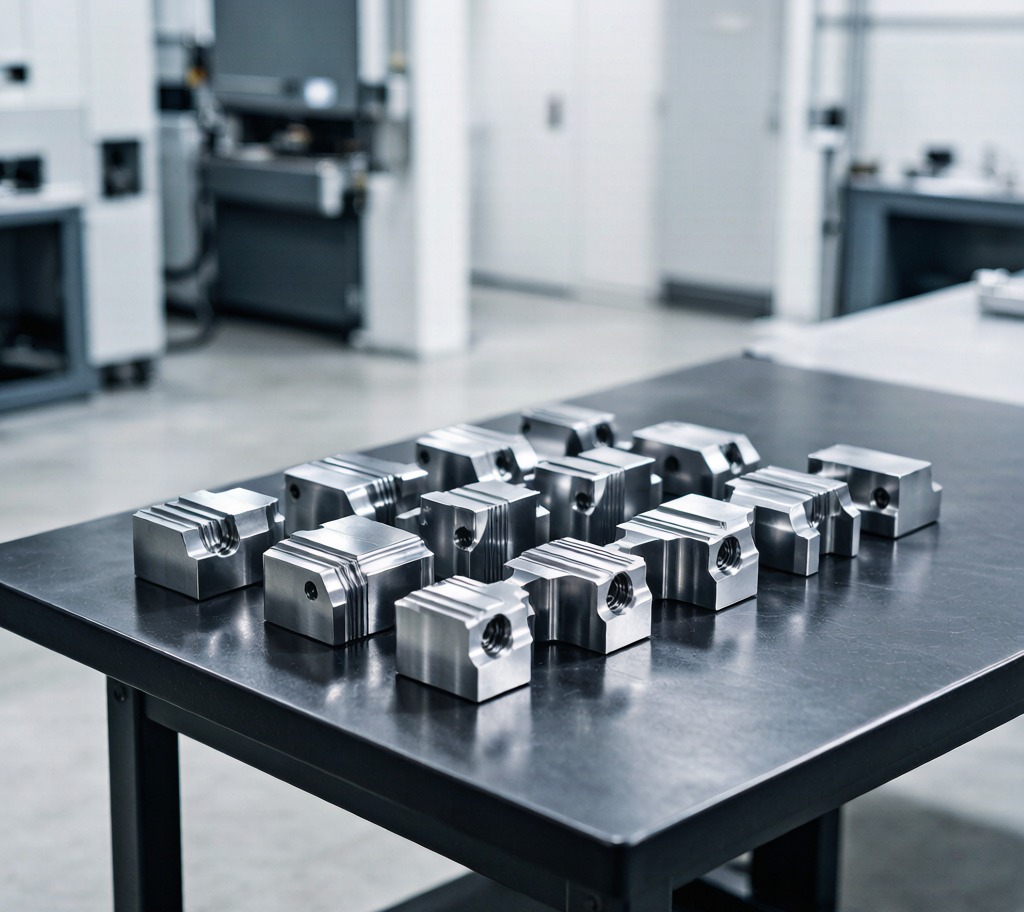
Small batch production delivers a defined quantity of identical, inspected parts built with production-grade methods. Unlike a prototype, every piece meets the same drawing; unlike mass production, there is little or no dedicated tooling. That makes it ideal for pilot launches, pre-tooling validation, and low-demand spare parts where low-volume manufacturing strategies apply and flexibility matters more than the absolute lowest unit price.
The strategic value is risk reduction. You commit cash and shelf space only to what you actually need, and you learn from real-field performance before scaling. If the design changes, you are not scrapping thousands of finished parts — you adjust the next small batch. That agility is worth more than a few cents of unit savings to most growing businesses.
When to Choose Small Batch Over Prototyping
If you already have a validated design and need parts to sell, test in the field, or assemble into a product, move past prototyping. Rapid prototyping proves the concept; small batch proves the business case. The jump is mostly about consistency and documentation — every part should be traceable to the same setup and inspection plan, with the same surface finish and material as the eventual production version.
This is also the right stage to lock in your supplier relationship. Running a small batch with a shop teaches you more about their communication, quality, and lead-time honesty than any sales pitch. If they handle your small batch well, you have a partner ready for the scale-up; if not, you learned cheaply.
Processes Compared: CNC, Casting, Fabrication
For most small batches, CNC machining is the fastest path because there is no tooling lead time. Multi-axis CNC handles complex geometry; OEM and ODM services add finishing and assembly. Casting enters the picture only when geometry is too complex to machine economically, and fabrication wins for flat or welded structures. Match the process to quantity and shape, not to habit or to whatever equipment a shop happens to own.
For welded or sheet-metal parts, small-batch assembly under one roof keeps the whole job coherent. A fabricator that cuts, bends, welds, finishes, and assembles your batch can deliver a ready-to-use unit, whereas stitching those steps across vendors multiplies lead time and the chance of a mismatch at the interfaces.
Tooling and Cost at Low Volume
The beauty of small batch is avoiding hard tooling. You pay for machine time and material, not dies. DFM support early in the project trims cycle time and scrap, which is where most small-batch savings come from. Ask for quantity-break pricing so you can see the cost curve from 10 to 1,000 units before committing, and you will quickly see why tooling only pays off past a certain volume.
Be honest about your forecast. If volumes might triple next quarter, discuss a staged plan: small batch now, then a tooled process once demand is proven. A supplier who helps you model that curve is protecting your margin, not just chasing the order. Avoid locking into tooling prematurely on a still-unproven design.
Quality at Low Volume
Low volume does not mean low standards. Require in-process inspection, not just final checks, and a first-article report on the initial setup. Assembly and kitting should follow the same documented plan used at scale, so ramping up later is seamless rather than a re-learning exercise. Documented inspection also gives you leverage if a batch ever drifts out of tolerance.
Because small batches are often used for field trials, quality matters even more — a failure in a pilot can damage a customer relationship permanently. Invest the effort in first-article approval and a clear corrective-action path, and your scale-up will inherit a proven process rather than a fresh gamble.
Industries That Rely on Small Batches
Medical device pilots, robotics startups, specialty automotive, and industrial equipment spares all live in the small-batch world. Any business where demand is uncertain or customization is the product itself benefits from flexible, low-commitment production rather than betting on a single large run. Even large OEMs use small batches for bridge production during a line changeover.
Frequently Asked Questions
How many parts count as a small batch?
Typically 10 to 1,000 pieces. Below that it is prototyping; above it, hard tooling like casting or stamping usually becomes cheaper per unit. The exact crossover depends on part complexity and material.
Is small batch more expensive per part than mass production?
Yes, per-unit cost is higher because there is no tooling amortization, but total program cost is lower since you are not funding dies. For uncertain demand, that is the safer financial position.
Can small batch parts be production quality?
Absolutely. They are made on the same CNC, fabrication, and inspection equipment as production parts — just in a smaller quantity with the same documentation and tolerances.
Which process is best for small batches?
CNC machining for most geometries, sheet-metal fabrication for enclosures and frames, and casting only when the shape is too complex to machine efficiently. Your supplier should recommend the route based on your drawing.
How fast is a small batch turnaround?
Quotes in 1 day and parts in 1–3 weeks are typical, depending on complexity and finish. Because there is no tooling wait, small batches are often faster to first shipment than tooled production.
Can I scale from small batch to mass production later?
Yes, and you should plan for it. Keep the same supplier, drawings, and inspection plan so the transition to higher-volume production is a step up rather than a restart.
Ready to Start Your Project?
Get a build-ready quote on your custom metal parts within 24 hours. Share your drawing and our engineers will respond with process, lead time, and pricing.

