
When a metal part fails, it is rarely because it broke; it is because it wore out. Friction, abrasion, and galling quietly degrade surfaces until tolerance is gone. The most cost-effective fix is usually not a new alloy but a thin, hard coating applied to the surface. This guide compares the leading wear-resistant coatings so you can choose the right one.
What Wear-Resistant Coatings Actually Do
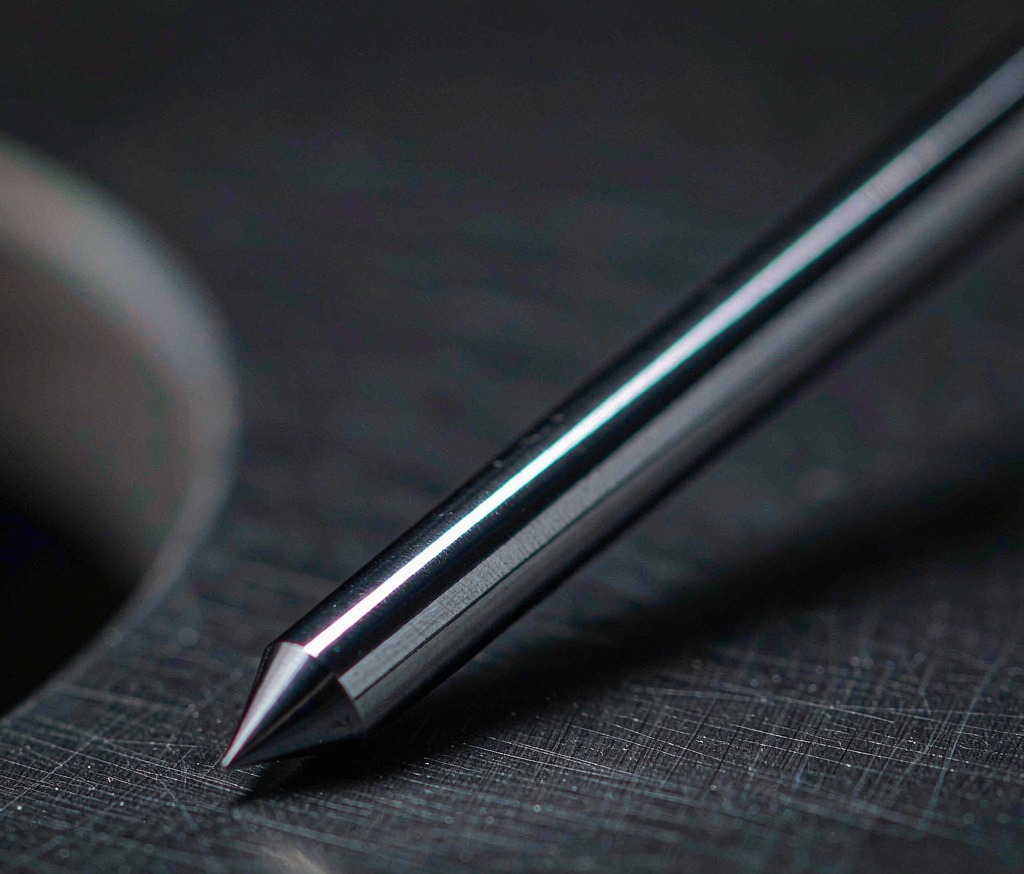
A wear coating adds a hard, low-friction, or chemically inert layer only microns thick, protecting the substrate without changing the part’s dimensions. That is the key advantage over thick plating: tolerances survive. On PVD-coated or DLC-coated precision parts, the base geometry is untouched while surface life multiplies.
PVD Hard Coatings Explained
Physical Vapor Deposition deposits thin metallic or ceramic films such as TiN, CrN, or AlTiN. PVD improves wear and corrosion resistance, tolerates high temperatures (AlTiN up to ~1000C), and offers color for identification or decoration. It is the workhorse for cutting tools, molds, and general wear parts. Our PVD coating services handle most functional and decorative specs.
DLC for Low-Friction Surfaces
Diamond-Like Carbon is an amorphous carbon film with ultra-low friction (coefficient ~0.08-0.2) and self-lubricating behavior. It excels where sliding, rotating, or starved-lubrication contact dominates: engine components, bearings, pump parts, and surgical instruments. The trade-off is temperature, most DLC degrades above ~350-400C, and it costs more than standard PVD. Our DLC coating services target exactly these friction-critical parts.
Hard Chrome and Electroless Nickel
Hard chrome delivers high hardness and excellent abrasion resistance for hydraulic rods and molds, though it is thicker and affects tolerances more than PVD/DLC. Electroless nickel gives uniform, corrosion-resistant deposits even on complex shapes, great for chemical and wear service. For tooling that sees impact, the toughness of these coatings often beats brittle ultra-hard films.
Coating Thickness and Your Tolerance Budget
Because some coatings add measurable thickness, you must plan for them in the drawing. PVD and DLC are so thin (0.2 to 5 microns) that they rarely affect fit, which is why they are favored on precision parts. Hard chrome and electroless nickel are thicker and may demand post-coat machining or oversized pre-coat dimensions. The cleanest approach is to call out the coating in the tolerance block, specify whether dimensions are before or after coating, and mask threads or mating faces that must stay bare. For a sliding fit, leave running clearance for the film; for a press fit, account for it in the interference. A supplier who asks these questions during DFM is protecting your assembly, not adding work.
Testing a Coating Before Committing
Before specifying a coating for a production run, validate it on a sample. Simple checks include a tape test for adhesion, a salt spray run for corrosion resistance, and a friction or wear test for the actual contact condition. For DLC and PVD, a coated coupon run against your real counterface in the real lubricant tells you more than a datasheet. Measure coating thickness too, because too little loses protection and too much risks adhesion or tolerance loss. These tests are cheap against the cost of a wrong coating on thousands of parts. A finishing partner with in-house or nearby testing can turn a coated sample around quickly, so you commit to the process with evidence rather than hope. Our coating services include thickness verification and adhesion checks on request.
How to Pick the Right Coating
Use a priority order: temperature first (above ~400C rules out DLC, favor PVD or hard chrome), then friction (sliding contact favors DLC), then color and cost (PVD is cheaper and colored). For severe corrosion plus wear, electroless nickel or a PVD interlayer under DLC works. Our chrome plating services complement the thin-film options for heavy-wear jobs.
Frequently Asked Questions
What is the difference between PVD and DLC?
PVD is a deposition process for metallic or ceramic films; DLC is a specific ultra-low-friction carbon coating, often applied via PVD routes. DLC wins on friction, PVD on temperature and color.
Is DLC worth the extra cost?
Yes when friction or wear genuinely drives performance, such as bearings, engine parts, or aluminum-cutting tools. For decorative or general wear, PVD is better value.
Do these coatings change my tolerances?
PVD and DLC are typically 0.2-5 microns, so tolerances are preserved. Hard chrome and electroless nickel are thicker and may need post-coat machining.
Which coating resists the highest temperature?
PVD nitrides such as AlTiN, and hard chrome, tolerate far higher temperatures than DLC, which degrades above roughly 400C.
Key Takeaways
Wear-resistant coatings let you buy surface life without changing the part’s shape, which is their great advantage over thicker plating. PVD is the versatile workhorse for hardness, heat, and color; DLC wins where friction and lubrication are the enemy; hard chrome and electroless nickel handle heavy wear and complex shapes. Choose by priority: temperature first, then friction, then cost and color. Because some coatings add real thickness, plan for them in the tolerance block and mask what must stay bare. And validate on a sample with adhesion, salt-spray, and friction tests before committing thousands of parts. A partner who measures and reports thickness turns coating selection from guesswork into evidence.
Match the Coating to the Job
Describe the operating environment, temperature, and friction conditions and we will recommend the coating and base material that maximize part life. Our PVD coating services and DLC coating services cover the high-performance end.
Ready to Start Your Project?
Get a build-ready quote on your custom metal parts within 24 hours. Share your drawing and our engineers will respond with process, lead time, and pricing.

