
When a standard off-the-shelf fastener cannot meet the geometry, material, or tolerance your assembly demands, a custom metal nut is the answer. Custom nuts appear wherever a connection must carry load, resist corrosion, survive temperature, or simply fit a non-standard shaft or panel. They are found in everything from agricultural machinery and construction equipment to medical devices and aerospace structures.
This guide explains how custom metal nuts are specified and produced, which materials and manufacturing routes make sense for different volumes, and how to control threads, tolerances, and finishes so the parts you receive actually fit and perform. Whether you need a few prototypes or a recurring production run, the same fundamentals apply.
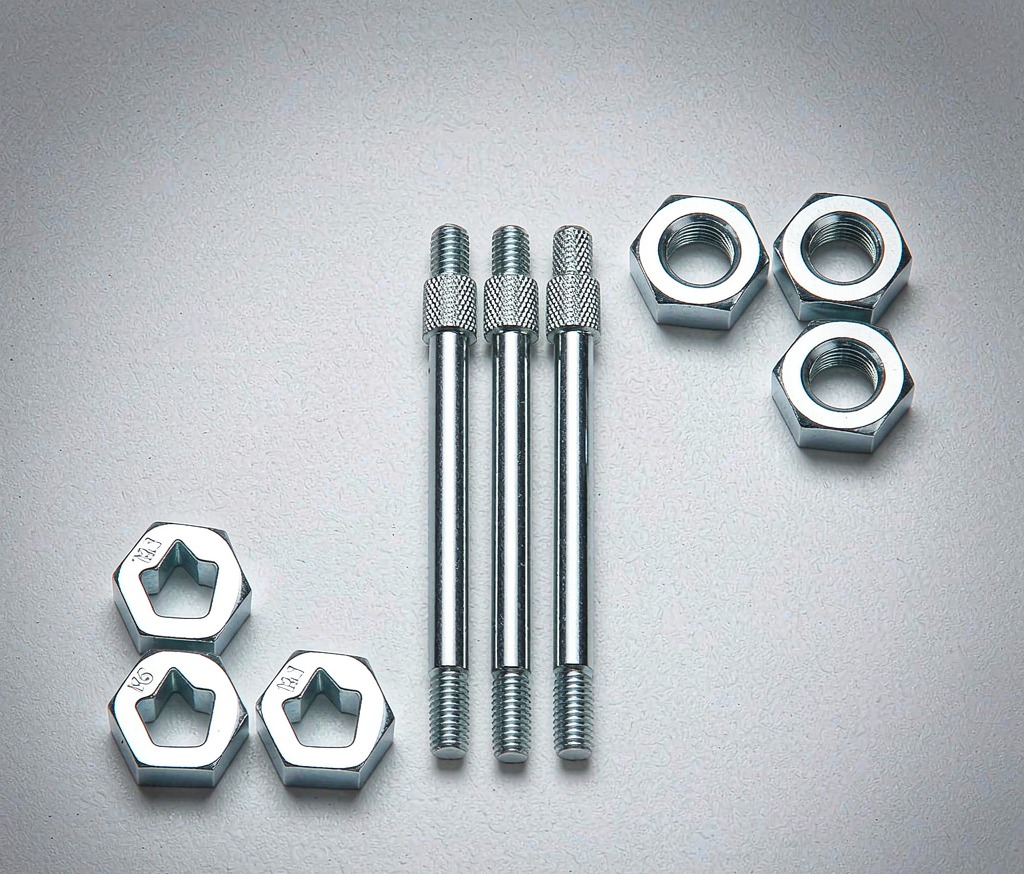
What Are Custom Metal Nuts and When Do You Need Them
A nut is a blocked internally threaded fastener that mates with a bolt or stud to clamp two components together. A custom nut deviates from catalog standards in size, shape, material, thread form, or tolerance. You typically need one when the bore is non-standard, the environment demands a specific alloy, the part must double as a spacer or housing, or the attachment geometry is unusual.
Many buyers start with our broader custom metal fasteners program and then narrow down to nuts, bolts, screws, or washers as the design matures. Defining the function first – clamp load, vibration, torque – keeps the specification focused and avoids over-engineering.
Materials: Steel, Stainless, Brass, and Exotic Alloys
Material choice drives cost, strength, and corrosion resistance. Low-carbon steel is the default for general purpose nuts; alloy steel adds strength for high-load joints. Stainless grades such as 304 and 316 resist corrosion in food, marine, and outdoor use. Brass offers conductivity and softness for electrical and decorative roles, while specialty alloys handle heat and chemicals.
For aggressive environments, custom metal bolts and nuts are often paired in the same alloy so the joint ages uniformly. Choosing a machinable grade also simplifies downstream threading and reduces the risk of torn or galled threads.
Manufacturing Routes: Turning, Cold Heading, and Forging
Low to mid volumes are usually produced by CNC turning, which delivers precise internal threads and flexible geometries without hard tooling. For hexagonal or shaped bodies, CNC milling can cut the exterior before threading. High volumes benefit from cold forging or hot forging, which reshape bar stock with better grain flow and lower per-part cost.
The route affects lead time and minimum order quantity. Turning is ideal for prototypes and small batches; forging pays off only when volume justifies tooling. A good supplier will recommend the route that matches your actual demand rather than a one-size-fits-all process.
Threads, Tolerances, and Standards
Thread form (metric, UNC, UNF, or custom), class of fit, and tolerance band determine whether a nut will seat cleanly and hold torque. Standard nuts follow ISO or ANSI classes, but custom work often needs a tailored fit – slightly loose for easy assembly, slightly tight for vibration resistance.
Tolerances on the bore, face squareness, and overall height should be called out on the drawing. Custom metal screws and nuts in the same family should be specified together so the thread gauges match and the joint performs as designed.
Surface Finishes That Protect Custom Nuts
Finish protects the part and influences appearance and friction. Zinc plating is a cost-effective corrosion barrier for steel nuts used indoors or in mild environments. For a darker, wear-resistant look, black oxide is popular on decorative and optical hardware.
Finishes also change thread friction, so torque specifications may need adjustment after plating. Always state whether the tolerance is before or after finish – this small detail prevents a surprising number of fit problems.
Design Tips to Lower Cost and Lead Time
Keep geometries turn-friendly: prefer round or hexagonal bodies, standard thread forms, and generous radii. Avoid tiny internal features that require special tooling. Where a nut also acts as a spacer or stop, integrate that function into one part instead of stacking separate components.
Sharing a complete drawing with material, finish, quantity, and target price lets the shop select the right process immediately. Clear specs are the single biggest factor in fast, accurate quotations.
Quality Control and Inspection
Every production batch should be verified against the drawing. Thread gauges confirm fit, bore pins check the inner diameter, and height or squareness gauges catch out-of-plane faces. For joints where failure is costly, hardness and plating-thickness checks add assurance. Keeping inspection simple and documented prevents the majority of field problems.
Lead Time and How to Request a Quote
A clear request speeds everything: drawing or sample, material, finish, quantity, and target price. Prototypes from ” + plink(“cnc-turning”,”CNC turning”) + ” can ship in days, while forged production with tooling may take several weeks. Sharing your true volume helps the supplier pick the lowest-cost route instead of a generic one.
Frequently Asked Questions
What is the minimum order quantity for custom metal nuts?
Prototypes can often be made as single pieces by CNC turning. Forging routes usually require higher minimums because of tooling, so volume expectations should be stated up front.
Which material is best for outdoor use?
Stainless steel 316 or zinc-plated alloy steel are common outdoor choices. The right option depends on salt exposure, temperature, and whether the joint is structural.
Can you match an existing standard nut with tighter tolerances?
Yes. Many custom nuts start from a standard size and tighten the bore, height, or squareness tolerances for a specific application.
How are custom nuts inspected?
Thread gauges, bore pins, and height or squareness checks confirm fit. Critical joints may add hardness or plating-thickness verification.
Do you supply matching bolts and washers?
Yes. Specifying nuts, bolts, and washers together ensures thread compatibility and consistent finish across the joint.
How long does a typical order take?
Prototype turning can ship in days; forged production with tooling may take several weeks depending on volume and finish.
Ready to Start Your Project?
Get a build-ready quote on your custom metal parts within 24 hours. Share your drawing and our engineers will respond with process, lead time, and pricing.

