
Choosing the right metal stamping company is one of the highest-leverage decisions a product engineer or OEM sourcing lead makes. Stamping tooling is a long-lived capital investment, qualification can take months, and the partner you select will shape part cost, quality consistency, and launch timing for years. A poor choice shows up as missed ship dates and scrap; the right partner becomes an extension of your own engineering team. This guide walks through the factors that separate a capable stamper from a risky one, and how to compare quotes without getting burned.
What Metal Stamping Companies Actually Do
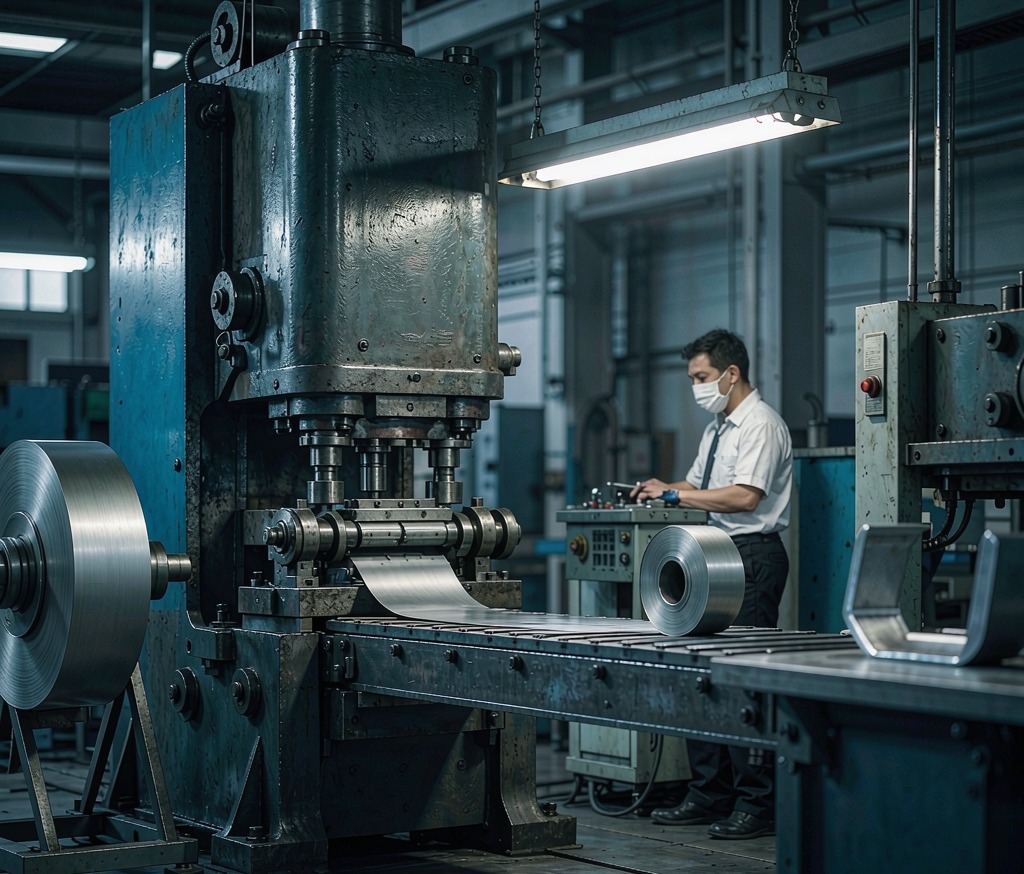
Metal stamping converts flat sheet or coil stock into precise, repeatable parts using dies and presses. A full-service stamper may run blanking, piercing, forming, progressive-die, transfer, and deep-drawing operations, frequently tied to downstream steps such as CNC punching for holes and features, CNC bending for formed flanges, and shearing for blank preparation. Knowing the process mix matters because it determines which supplier model fits your program: a contract (custom) stamper, a captive in-house shop, or a broker network that routes jobs to independent presses.
Press Capacity and Tooling
Ask for the actual press list—tonnage range, bed size, and whether the shop runs coil-fed progressive and transfer lines rather than single-hit presses. Capacity headroom is critical: if your volume grows, a stamper already running near full utilization cannot absorb a ramp or a rush order. Just as important is in-house tool and die. When dies are designed, built, and maintained on the same floor as production, a mid-run adjustment that would take weeks through an outsourced toolmaker takes hours. Read our overview of metal stamping services to see how die strategy shapes unit cost.
Quality Certifications That Matter
ISO 9001 is the baseline, but it only proves a documented system exists—not that the part will be right. For regulated end uses, match certifications to the application: IATF 16949 for automotive, AS9100 for aerospace, ISO 13485 for medical. Beyond the certificate, ask for PPAP support, process-capability studies (Cpk/Ppk), and control plans on every production part. A serious riveting and assembly partner will hand you sample documentation rather than a marketing claim, and will provide material test reports that trace stock back to the mill.
DFM and Engineering Support
The cheapest place to fix a stamping problem is on the CAD file, before steel is cut. A stamper that reviews your print for manufacturability—tight radii, thin walls, awkward strip layout—can cut tooling cost by double digits. Our related guide on progressive die stamping shows how strip design drives both quality and piece price, and why relaxing a non-critical tolerance can save real money.
Secondary Operations and Finishing
Every additional supplier in your chain is another point of freight cost, lead time, and quality risk. Prefer a one-stop shop that can deburr, plate, coat, and kit parts into sub-assemblies. Powder coating and assembly performed under one roof simplify everything from logistics to traceability, and reduce the handoffs where defects are most often introduced.
How to Compare Quotes
Line up quotes on the same basis: tooling cost, piece price at your volume, secondary operations, and whether tooling amortization is bundled into the unit price or charged upfront. Extremely low pricing frequently hides later cost increases or compromised tooling durability. Transparent quoting—where the supplier explains material grade, thickness, and process route—builds a partnership rather than a one-off transaction. For a broader view of vendor selection, our guide to choosing a metal fabrication company applies the same logic beyond stamping.
FAQ
Q: Should I use a local shop or a broker network?
A: For high, steady volume with tight tolerances and a long program life, a direct relationship with a contract stamper gives you accountability and faster tool changes. Networks are faster for unpredictable volume but add coordination layers between you and the floor that makes the part.
Q: What certifications do I actually need?
A: ISO 9001 at minimum. Add IATF 16949, AS9100, or ISO 13485 only when your end use requires them—automotive, aerospace, or medical respectively.
Q: How do I control lead-time risk?
A: Ask what share of press capacity is already committed, and whether the shop has backup presses in your tonnage class. Capacity headroom is the single best predictor of on-time delivery during a ramp.
Sourcing Your Stamping Partner
The right metal stamping company becomes an extension of your engineering team. Evaluate capability, certifications, DFM support, and communication before issuing a purchase order—not after a missed ship date. If you need stamped brackets, clips, or enclosures produced and finished under one roof, our team can review your print and return a build-ready quote with process, lead time, and pricing.
Ready to Start Your Project?
Get a build-ready quote on your custom metal parts within 24 hours. Share your drawing and our engineers will respond with process, lead time, and pricing.

